




403
Sorry!!
Error! We're sorry, but the page you were looking for doesn't exist.
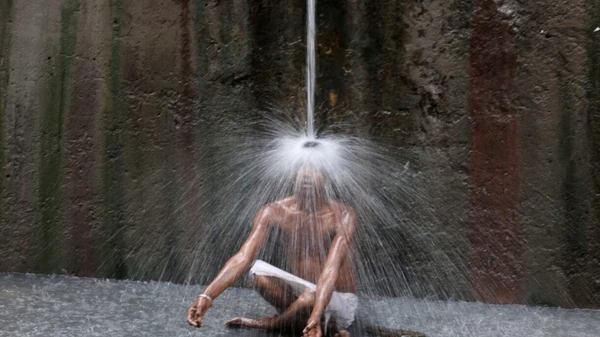
Heatwaves And Humans: When Does It Become Too Hot To Handle? Explained
(MENAFN- Live Mint) Heatwaves have painted a grim picture in parts of India: Over 300 suspected heatstroke cases in Andhra Pradesh in nearly three months; 16 heatstroke deaths in Telangana; exhausted pigeons dropping unconscious from the sky, dehydrated eagles being picked up from roadsides; quintals of fish dying in Delhi lake.
What makes heatwaves deadly? How much heat can the human body endure? When does heatstroke happen? Here, we explain:
What are heatwaves, and how dangerous can they be?The India Meteorological Department (IMD) defines a heat wave as a period of unusually high temperatures as compared to what is normally expected over a region. It can lead to physiological stress and sometimes may cause death.
While the temperatures at which heat waves are declared differ from place to place, in India, a heat wave is declared if the maximum temperature of a station reaches at least 40 °C or more for plains, and at least 30 °C or more for hilly regions.
Heat Wave: When actual maximum temperature ≥ 45'C
Severe Heat Wave: When actual maximum temperature ≥47'C
How much heat can a human body endure?The National Disaster Management Authority (NDMA) heatwave guidelines state that there will be no harm to the human body if the environmental temperature remains at 37°C.
"Whenever the environmental temperature increases above 37°C, the human body starts gaining heat from the atmosphere.
Also Read | Monsoon to hit Andamans around 16 May; heatwave warning for northwest India How heatwaves killThe NDMA report released in 2019 claimed that in India, heat waves caused 24,223 deaths from 1992 to 2015 across various states.
“Intense and sustained efforts by all stakeholders led to a significant reduction in mortality due to heat waves from 2040 in 2015 to 1111 in 2016,” the report stated.
It added that mortality due to heat waves further reduced to 384 in 2017 and 25 in 2018. Heat waves also caused the death of wildlife, birds, poultry, etc., across the country.
Key factors that aggravate heatwave impactHumidity is among the important factors that aggravate the impact of heatwaves. If the humidity is low, humans can tolerate fairly extreme temperatures.
But, if humidity is high, a person can suffer from heat stress disorders even with the temperature increases to 37°C, the NDMA report says.
Also Read | Floods, heatwaves, and disease drive urgency for resilience in Indian citiesIt explains that high humidity prevents heat loss from the human body through perspiration. "As high relative humidity leads to a slower evaporation rate of sweat, thereby reducing the efficiency of the cooling mechanism of the human body," the IMD says.
Other factors that can intensify the impact of heatwave are:
Why hot nights are dangerousThe IMD explains that if the minimum temperature at night is warmer than normal, it also cascades into the next day's maximum temperatures. The maximum temperatures may be attained earlier the following day and may also last longer.
When high daytime and nighttime temperatures are witnessed together, they tend to increase the heat stress as the human body finds it difficult to recover from the heat of the day during night hours, the IMD says.
Why cities suffer more: The urban heat island effectAn urban heat island occurs when a city experiences temperatures warmer than its surrounding rural or semi-urban areas, or when areas within a city experience hotter temperatures.
Cities such as New Delhi, Ahmedabad, Hyderabad, Mumbai, and Pune witnessed extreme heat events in the summer of 2024, reflecting the growing intensity of UHIs.
Also Read | People of color more exposed to extreme urban heat, says studyThe causes of the urban heat island effect include the characteristics of urban ground surface, greenhouse gas emissions, concentration of heat sources, air pollution, population density and lifestyle elements, such as additional cooling requirements and vehicular emissions.
Describing the problem further, AQI explained:“Cities, built largely with heat-absorbing materials such as asphalt, concrete, and metal, trap solar radiation throughout the day.”
Also Read | Isro may get a thermal imager to detect urban heat islands"As evening sets in, this stored heat is slowly released, making urban environments significantly warmer, especially during the night," it added.
This implies that heatwaves can become deadly not only when temperatures rise, but when the body, the city and public systems can no longer cope with the heat.
'Heat can kill in several different ways'A report published by the Gavi Alliance says, "Heat can kill in several different ways", and the first is dehydration.
As temperatures soared to dangerous levels in India, experts have advised people to stay hydrated by drinking plenty of water and taking electrolyte supplements, while avoiding beverages such as tea, coffee, soft drinks, and alcohol.
Also Read | Rain, cloudy sky brings relief from excessive heat in Delhi - Check IMD forecast"If you don't drink enough water to replace that lost through sweating and urination, the blood starts to thicken, making it more prone to clotting, which increases the risk of heart attack and stroke," Gavi explains.
Other health impacts of heatwaves typically involve heat cramps, heat exhaustion and/or heat stroke.
According to reports, over 300 suspected cases of heatstroke have been found in Andhra Pradesh, and 16 people have died due to heatstroke in Telangana.
What is heatstroke, and jow much heat can humans survive?Heatstroke is a medical emergency caused by the body overheating. It happens when body temperature rises to 40°C (104°F). This is a potentially fatal condition.
According to NHS UK, heat exhaustion does not usually need emergency medical help if you can cool down within 30 minutes. If it turns into heatstroke, it needs to be treated as an emergency.
It can trigger confusion, dizziness, nausea, seizures, loss of consciousness and organ failure if not treated promptly.
The signs of heatstroke include:
How to stay safe from heatwave impact: WHO advisesStay out of the heat> Avoid going outside and doing strenuous activity during the hottest time of day.
> Stay in the shade. Remember that perceived temperatures in the sun can be 10–15 ̊C higher.
> Spend 2–3 hours during the day in a cool place.
> Be aware of the risk of drowning. Never swim alone.
Stay informed about official heat warnings.
Keep your home cool> Use the night air to cool down your home by opening windows after dark when the outdoor temperature is lower than the indoor temperature.
> During the day when outdoor temperatures are higher than indoors, close windows and cover them with blinds or shutters to block direct sunlight. Turn off as many electrical devices as possible.
> Use electric fans only when temperatures are below 40 ̊C / 104 ̊F. In temperatures above 40 ̊C / 104 ̊F, fans will heat the body.
> If using air conditioning, set the thermostat to 27 ̊C / 81 ̊F and turn on an electric fan – this will make the room feel 4 ̊C cooler. It can also save up to 70% on your electricity bill for cooling.
> Remember that it may be cooler outdoors in the shade.
Keep your body cool and hydrated> Use light and loose-fitting clothing and bed linens.
> Take cool showers or baths.
> Wet your skin using a damp cloth, spray, or wet light clothing.
> Drink water regularly (1 cup of water per hour and at least 2–3 litres per day).
> Regularly check in with vulnerable people in your circle – especially people over 65 years old and those with heart, lung or kidney conditions, a disability, and living alone.
Protect infants and children> Never leave children or animals in parked vehicles for any amount of time, as temperatures can quickly become dangerously high.
> Avoid direct exposure to the sun during peak hours, seeking shade or staying indoors instead. Shade can > reduce how hot you feel by more than 10 °C.
> Never cover an infant stroller/pram with dry fabric – this makes it hotter inside the carriage. Instead, use a wet, thin cloth and re-wet as necessary to lower the temperature. Combine with a portable fan for even greater cooling.
> Dress children in lightweight, loose-fitting clothing that covers their skin, and use wide-brimmed hats, sunglasses and sunscreen to protect them from the sun's rays.

Legal Disclaimer:
MENAFN provides the
information “as is” without warranty of any kind. We do not accept
any responsibility or liability for the accuracy, content, images,
videos, licenses, completeness, legality, or reliability of the information
contained in this article. If you have any complaints or copyright
issues related to this article, kindly contact the provider above.
Most popular stories
Market Research

More Story






Comments
No comment