




403
Sorry!!
Error! We're sorry, but the page you were looking for doesn't exist.
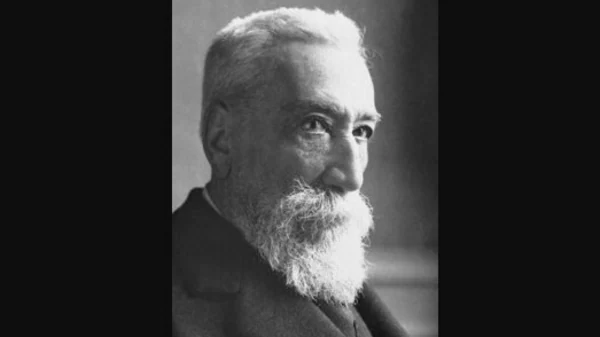
Quote Of The Day By French Poet Anatole France - 'To Accomplish Great Things, We Must Not Only Act...'
(MENAFN- Live Mint) Quote of the Day: To accomplish great things, we must not only act, but also dream; not only plan, but also believe. - Anatole France was Anatole France?
Anatole France (born François-Anatole Thibault, 1844–1924) was a major French novelist, poet, journalist, and literary critic who won the Nobel Prize in Literature in 1921 for his outstanding body of work, noted for its refined style, humanism, and elegance.
Born in Paris to a family of booksellers, he grew up immersed in literature and was largely self-taught through extensive reading. Over time, he became regarded as an exemplary French man of letters, known for his wit, irony, scepticism, and polished prose, continuing the classical French literary tradition influenced by writers like Voltaire.
Also Read | Prakash Raj shares 'moon memories' with Sunita Williams at Kerala Literature Festival 2026His writing style combined grace, subtle satire, philosophical doubt, and a strong humanist outlook. In 1896, he was elected to the Académie Française.
Politically, he shifted from a relatively detached observer to a more engaged intellectual, supporting Alfred Dreyfus during the Dreyfus Affair, later showing socialist leanings, and expressing sympathy for communist ideas in his later years. Despite this, his works often carried a deep scepticism about human institutions and revolutionary change.
What does this quote mean?The quotation“To accomplish great things, we must not only act, but also dream; not only plan, but also believe” is commonly attributed to him and reflects his philosophical outlook, particularly his belief in balancing reason with imagination.
Also Read | Hormuz reopens? French vessel exits shipping route first time since warThis perspective is also evident in works like Le Jardin d'Épicure (1895), where he expressed a blend of intellectual scepticism, appreciation for pleasure and beauty, and the idea that human life requires both rational thought and emotional or inspirational depth.
His famous workLe Crime de Sylvestre Bonnard (1881): His breakthrough novel about a gentle, bookish scholar; won acclaim for its charm and humanism.
Thaïs (1890): A historical novel set in ancient Egypt about a courtesan turned saint; it explores desire, faith, and asceticism.
La Rôtisserie de la Reine Pédauque (1893): Satirical works featuring an ironic abbé critiquing society and institutions.
Le Lys rouge: A love story.
L'Histoire contemporaine series (1897–1901), including Monsieur Bergeret à Paris, reflects his engagement with contemporary politics and the Dreyfus Affair.
L'Île des Pingouins: A satirical "history" of humanity through a fictional penguin civilisation; sharp critique of society, religion, and progress.
La Révolte des anges: Satirical fantasy.
Later autobiographical works like Le Petit Pierre (1918) and La Vie en fleur (1922).

Legal Disclaimer:
MENAFN provides the
information “as is” without warranty of any kind. We do not accept
any responsibility or liability for the accuracy, content, images,
videos, licenses, completeness, legality, or reliability of the information
contained in this article. If you have any complaints or copyright
issues related to this article, kindly contact the provider above.
Most popular stories
Market Research

More Story








Comments
No comment