




403
Sorry!!
Error! We're sorry, but the page you were looking for doesn't exist.
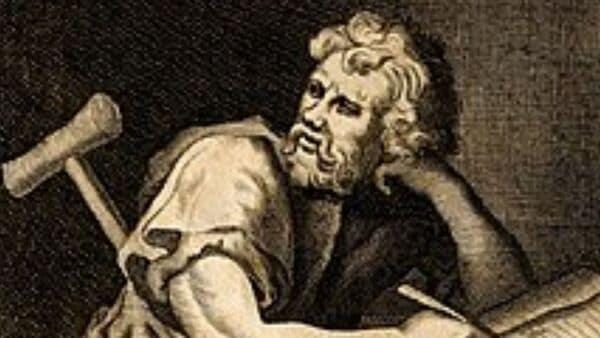
Epictetus Quote Of The Day: Why Difficulties Reveal True Character
(MENAFN- Live Mint) Epictetus, born around 50 CE in Hierapolis in Phrygia, was a Greek Stoic philosopher whose life itself embodied the discipline he later taught. He spent part of his life enslaved in Rome, studied Stoicism under Musonius Rufus, and after gaining freedom became a teacher of philosophy. When Emperor Domitian expelled philosophers from Rome, Epictetus moved to Nicopolis in northwestern Greece, where he founded a respected school; his teachings survive mainly through the Discourses and Enchiridion, recorded by his student Arrian.
“It is difficulties that show what men are.”
- Epictetus
The line appears in Discourses, Book 1, Chapter 24, in a section titled“How one should contend against difficulties.” In the fuller passage, Epictetus compares difficulty to a trainer matching an athlete with a tough opponent, so that the person may become an“Olympic victor” - but not without sweat.
Meaning of the QuoteEpictetus's quote is a classic Stoic lesson: comfort does not reveal character as clearly as pressure does. Anyone can appear calm, disciplined, generous or brave when life is easy. Difficulty removes the disguise. It shows whether a person has patience, courage, honesty, self-control and resilience - or only the appearance of them.
Also Read | Carl Jung quote of the day: Why loneliness is about being unheardThe quote does not mean suffering is good in itself. Epictetus is not romanticising pain. He is saying that difficulty becomes a test of the inner life. When something hard arrives - failure, criticism, uncertainty, loss, rejection or pressure - the real question is not only“Why is this happening?” but“What kind of person will I be while it is happening?”
The deeper lesson is that hardship reveals training. A difficult moment exposes whether values have become habits. It shows whether wisdom is only something we quote, or something we practise.
Why This Quote ResonatesThis quote resonates strongly today because people are living through constant change: AI disruption, career uncertainty, economic pressure, burnout and shifting workplace expectations. The World Economic Forum's Future of Jobs Report 2025 says employers expect demand to rise for creative thinking, resilience, flexibility and agility as jobs and skills change through 2030.
That makes Epictetus's words deeply practical. A professional may not control an industry shift, a difficult boss, a failed project, a layoff scare or a sudden change in role. But they can control preparation, response, attitude, learning and the next action.
The Stoic lesson is not to become emotionless. It is to become steady. Difficulty shows what people are because it reveals whether they are ruled by panic, ego and complaint - or guided by discipline, perspective and purpose.
“Difficulties are what show men's character.”
- Epictetus
This alternate translation from the same passage sharpens the meaning: difficulty is not merely an obstacle; it is a mirror.
Together, both versions create a powerful life lesson. The first says difficulty reveals who we are. The second says character is the thing being revealed. In practical terms, life's hard moments do not only interrupt us; they expose us, train us and invite us to become stronger.
How You Can Implement This Pause before reacting: When difficulty arrives, take one breath and ask,“What response would reflect the person I want to be?” Name what is in your control: Write down what you can influence - effort, honesty, tone, preparation, learning, apology or next action. Stop treating discomfort as failure: Remind yourself that pressure, awkwardness and uncertainty often mean you are being tested, not defeated. Use hardship as feedback: Ask what the difficulty reveals about your habits, patience, confidence, communication or discipline. Practise small endurance: Build character through daily challenges - finishing hard tasks, keeping promises, controlling anger and doing the right thing when unseen. Review your conduct after pressure: After a difficult event, ask,“Did I act from fear, ego, values or wisdom?” Then improve one thing for next time.“You have power over your mind - not outside events.”
- Common Stoic idea, widely associated with Marcus Aurelius
This closing thought pairs naturally with Epictetus. Difficulty may reveal us, but it does not have to define us permanently. Each hard moment gives us a chance to train the one thing Stoicism insists remains ours: the quality of our response.

Legal Disclaimer:
MENAFN provides the
information “as is” without warranty of any kind. We do not accept
any responsibility or liability for the accuracy, content, images,
videos, licenses, completeness, legality, or reliability of the information
contained in this article. If you have any complaints or copyright
issues related to this article, kindly contact the provider above.
Most popular stories
Market Research

More Story








Comments
No comment