




403
Sorry!!
Error! We're sorry, but the page you were looking for doesn't exist.
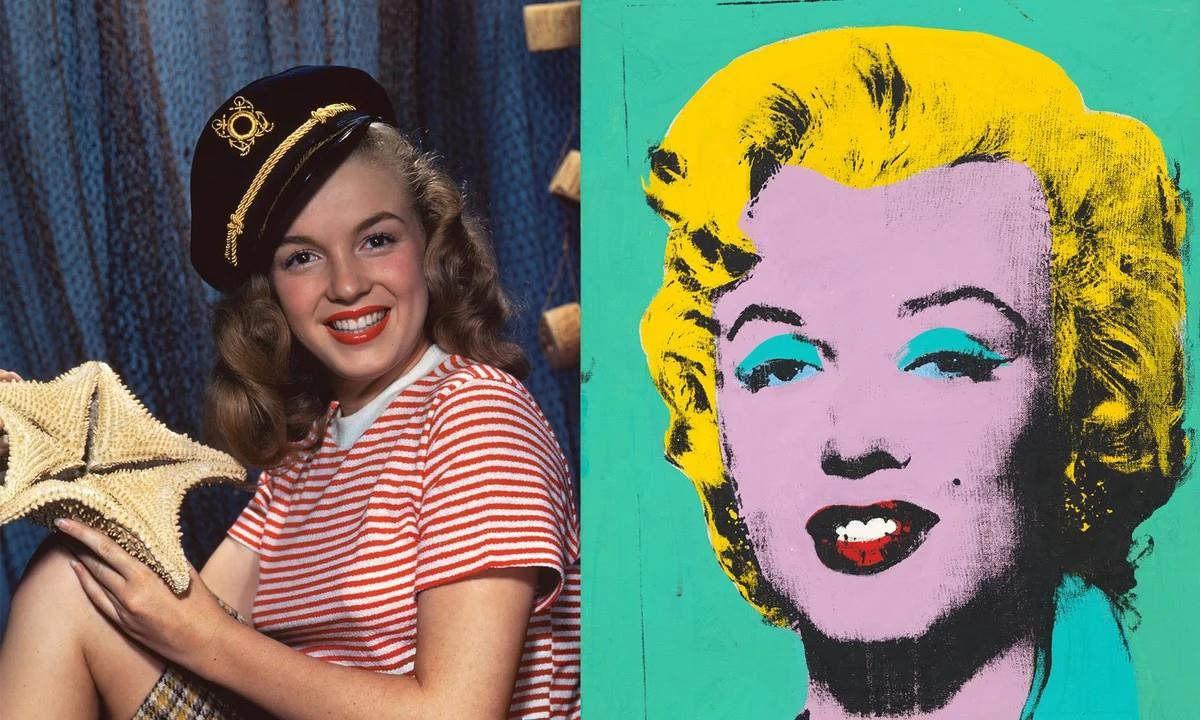
'A Remarkably Tenacious Motif': The Many Faces Of Marilyn Monroe Revealed In New Book And Show The Art Newspaper International Art News And Events
(MENAFN- USA Art News)
Marilyn Monroe's face has become one of the most durable images in modern art, and the National Portrait Gallery in London is preparing to examine why.
Marilyn Monroe: a Portrait opens on June 4 and runs through September 6, bringing together paintings, photographs, and related works that trace the star's long afterlife in visual culture. Rosie Broadley, the exhibition's curator and the editor of the accompanying book, has assembled a project published in association with the Marilyn Monroe estate that looks beyond Monroe's film career to the artists who repeatedly returned to her image.
Among the best-known works in the exhibition are Andy Warhol's Green Marilyn (1962) and Gold Marilyn Monroe, images that helped fix Monroe in the visual vocabulary of Pop art. Broadley argues that Warhol's response to Monroe's death in 1962, at age 36, gave her likeness a kind of secular iconography: the gold ground of Gold Marilyn Monroe, she writes, enshrines Monroe“like that of a Byzantine saint.”
The exhibition also reaches back before Warhol. Willem de Kooning painted Marilyn Monroe in 1954, before he had met her in person, and the work is presented as an early example of Monroe's entry into serious painting. Broadley notes that de Kooning, who was then developing his Woman series, treated Monroe as a“siren-like figure” charged with“primal, sexual force.”
Other works in the show widen the frame. Rosalyn Drexler's Marilyn Pursued by Death (1963) brings a darker register to Monroe's image, while Philippe Halsman and Salvador Dalí's Marilyn Monroe as Chairman Mao Zedong (1952) turns likeness into distortion and absurdity. Joseph Cornell's Custodian-M. M. (1962) offers a more private tribute, one that Broadley describes as a beautiful homage made from afar.
The exhibition also includes work by Pauline Boty, Marlene Dumas, James Gill, and other artists who have used Monroe to think through celebrity, femininity, and repetition. Broadley says Monroe remained a crucial subject for Pop artists in the 1960s, for women artists in the 1970s, and for contemporary painters such as Dumas, Alex Margo Arden, and Issy Wood.
What emerges is not a single portrait, but a shifting record of how artists have used Monroe to test the boundaries between glamour and vulnerability, public image and private loss.

Legal Disclaimer:
MENAFN provides the
information “as is” without warranty of any kind. We do not accept
any responsibility or liability for the accuracy, content, images,
videos, licenses, completeness, legality, or reliability of the information
contained in this article. If you have any complaints or copyright
issues related to this article, kindly contact the provider above.
Most popular stories
Market Research

More Story








Comments
No comment