




403
Sorry!!
Error! We're sorry, but the page you were looking for doesn't exist.
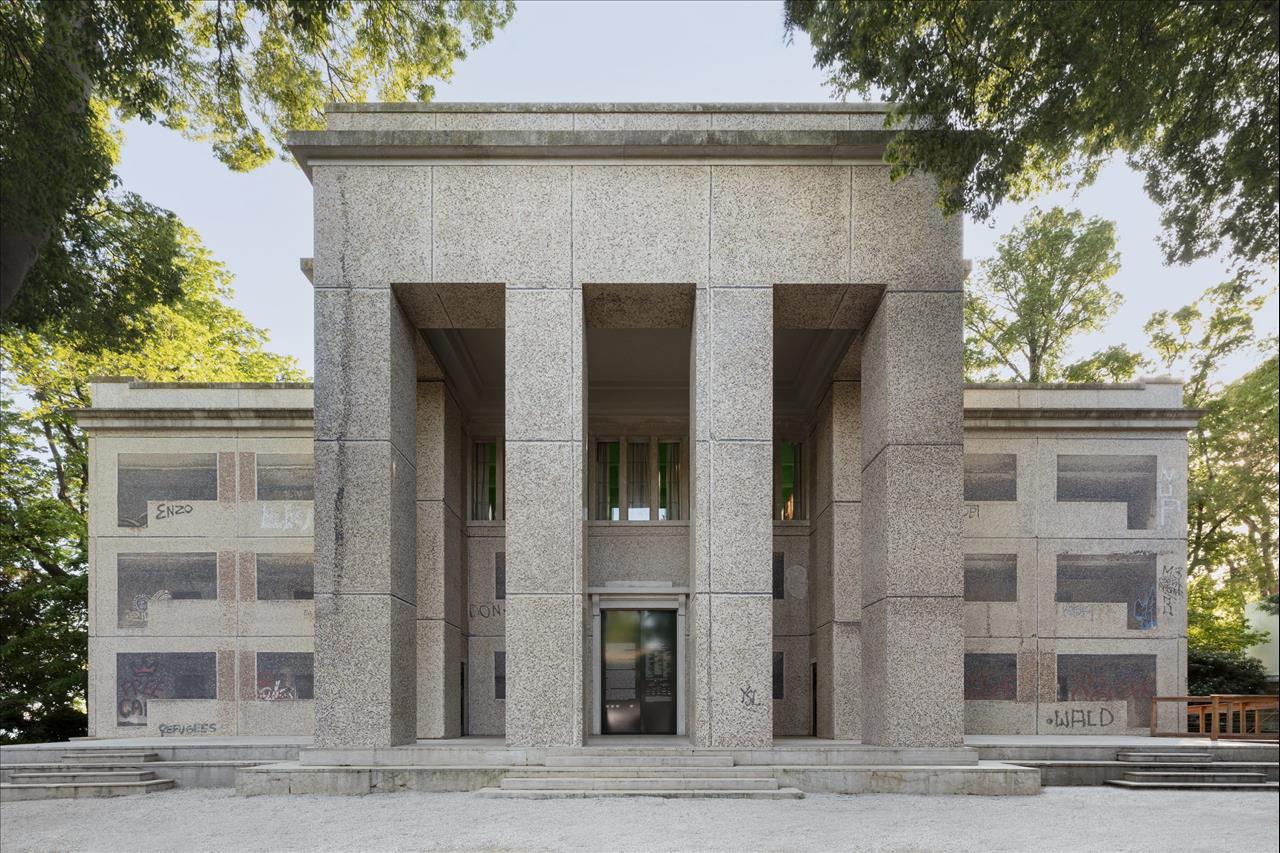
A Pavilion Of Ruins: Germany Reconsiders Its Past In Venice
(MENAFN- USA Art News)
German Pavilion at Venice Biennale Turns Home Into a Site of Political Memory
At the 61st Venice Biennale, the German Pavilion is using architecture, furniture, and historical reference to ask a deceptively simple question: what does“home” reveal about a nation's past? Titled“Ruin,” the presentation brings together Sung Tieu and the late Henrike Naumann in a layered installation that moves from the exterior of a building to the intimate logic of the domestic interior.
Tieu's contribution,“For Now We See Through a Glass, Darkly,” reconstructs a GDR housing estate for Vietnamese contract workers with more than three million marble mosaic stones. The facade is based on a building in Berlin that is now being demolished, a detail that gives the work a sharpened sense of disappearance. The structure itself was originally commissioned by the Nazi party in 1938, adding another historical layer to the pavilion's argument about German memory and reuse.
Naumann's“The Home Front” occupies the central room and shifts the focus inward. Known for working with furniture, Naumann uses domestic objects to show how political systems shape private life. Here, she includes a reworking of a mural by her great-grandfather, a socialist realist painter in the GDR, alongside a showroom-like presentation of Neue Deutsche Design, the last West German design movement before reunification. The contrast is deliberate: the pavilion sets GDR socialist realism against West German abstraction and the visual language of postwar division.
The installation's mint-green backdrop, chosen by Naumann before her death, echoes the color of Soviet army barracks. According to curator Kathleen Reinhardt, the choice underscores the artist's refusal to treat history as finished. Naumann died in February 2026 at age 41 after a cancer diagnosis that came too late, but she had already finalized the concept for the pavilion. Her partner, Clemens Villinger, said in a public statement that she continued arranging objects until the end to realize the project as a collaborative effort guided by her artistic vision.
The pavilion's title carries its own double meaning. In English,“ruin” suggests collapse; in German, the word extends toward moral and political decay as well. That ambiguity suits a project that treats the home not as refuge, but as a record of ideology, inheritance, and unresolved history.

Legal Disclaimer:
MENAFN provides the
information “as is” without warranty of any kind. We do not accept
any responsibility or liability for the accuracy, content, images,
videos, licenses, completeness, legality, or reliability of the information
contained in this article. If you have any complaints or copyright
issues related to this article, kindly contact the provider above.
Most popular stories
Market Research

More Story








Comments
No comment