




403
Sorry!!
Error! We're sorry, but the page you were looking for doesn't exist.
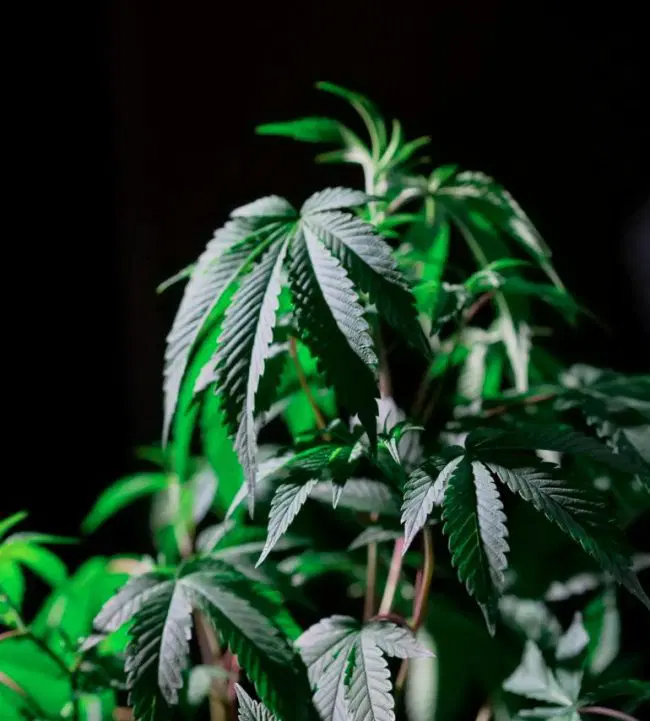
Survey Finds 24 Million Americans Have Microdosed Cannabis-Twice The Rate Of Psychedelic Microdosing
(MENAFN- Budget and the Bees) Cannabis microdosing may not grab headlines the way psychedelic mushrooms or LSD do, but new research suggests it is already far more mainstream than many people realize. A national survey found that roughly 24 million Americans have tried cannabis microdosing, making it nearly twice as common as psychedelic microdosing. For some users, it means taking a tiny edible dose before a stressful workday or using a low-dose vape session to manage chronic discomfort without feeling heavily impaired. The findings challenge popular assumptions about who microdoses, why they do it, and what substances they actually use.Cannabis Microdosing Is More Common Than Many People Thought
Researchers from the University of California San Diego analyzed data from a nationally representative survey of 1,525 U.S. adults and uncovered a surprising trend. About 9.4% of adults reported trying cannabis microdosing at least once in their lives, compared with 5.3% for psilocybin, 4.8% for LSD, and 2.2% for MDMA. In simple terms, cannabis microdosing appears to be leading the microdosing movement in America. Researchers define microdosing as taking a very small amount-often one-fifth to one-twentieth of a standard dose-to seek subtle effects without a strong high. That distinction matters for adults who want symptom relief or mood support while staying functional.
Why People Are Turning to Cannabis MicrodosingNot everyone pursuing cannabis microdosing is chasing productivity hacks or social media wellness trends. The survey found many cannabis users reported medical-style motivations, including anxiety, depression, and chronic pain management. Imagine a middle-aged office worker choosing a 2.5-milligram THC edible after work instead of a stronger dose that could leave them groggy or unfocused. Others may use low-dose cannabis to take the edge off without disrupting parenting, caregiving, or professional responsibilities. Still, researchers caution that personal experiences do not automatically equal proven medical effectiveness.
Mental Health Questions Deserve a Closer LookOne of the study's most important findings involves mental health. Adults who rated their mental health as poor were significantly more likely to report cannabis microdosing than those who described their mental health as excellent. That does not prove cannabis microdosing improves mental health, nor does it prove it causes problems. It may simply suggest that people struggling emotionally are more likely to experiment with self-directed coping strategies when traditional treatments feel inaccessible, expensive, or ineffective. Experts say more long-term clinical research is needed before consumers treat cannabis microdosing as a scientifically validated mental health tool.
The Risks Behind the Small Dose, Small Problem MindsetBecause cannabis microdosing uses smaller amounts, some people assume it carries little downside. In reality, dosing accuracy can still be tricky, especially with homemade edibles, mislabeled products, or inconsistent potency across brands. A microdose for one person could feel surprisingly strong to someone with lower tolerance, a different metabolism, or medication interactions. Consumers should also remember that cannabis can still affect driving ability, workplace drug testing, and mental clarity depending on the product and dose. Anyone considering cannabis microdosing for health concerns should speak with a qualified healthcare professional, particularly if they have underlying mental health conditions or take prescription medications.
What This Research Means for the Future of Cannabis UseThe rise of cannabis microdosing reflects a broader shift in how Americans think about substance use. Instead of focusing solely on recreational intoxication, many adults appear interested in precision, moderation, and controlled experiences. As cannabis legalization expands and consumer products become more sophisticated, low-dose formulations could become an even larger part of the market. But popularity should not be confused with settled science, especially when public health, mental wellness, and long-term safety remain active research questions. The takeaway is clear: cannabis microdosing is no longer a niche behavior-it is a growing cultural and health conversation that deserves informed discussion.
Why This Trend Deserves More AttentionIf millions of Americans are choosing cannabis microdosing over stronger experiences, it raises important questions about how people approach wellness, stress management, and substance use in modern life. The practice may appeal to adults seeking subtle effects without major impairment, but the science is still catching up to consumer behavior. Understanding the benefits, limitations, and risks of cannabis microdosing is essential before treating it as a proven health strategy. As researchers continue studying long-term outcomes, consumers should stay informed and cautious.
What do you think-does cannabis microdosing represent a smarter approach to cannabis use, or is it a trend moving faster than the evidence? Share your thoughts in the comments below.

Legal Disclaimer:
MENAFN provides the
information “as is” without warranty of any kind. We do not accept
any responsibility or liability for the accuracy, content, images,
videos, licenses, completeness, legality, or reliability of the information
contained in this article. If you have any complaints or copyright
issues related to this article, kindly contact the provider above.
Most popular stories
Market Research

More Story







Comments
No comment