




403
Sorry!!
Error! We're sorry, but the page you were looking for doesn't exist.
The Refrigeration Rule Behind Rising Dairy Prices In 2026
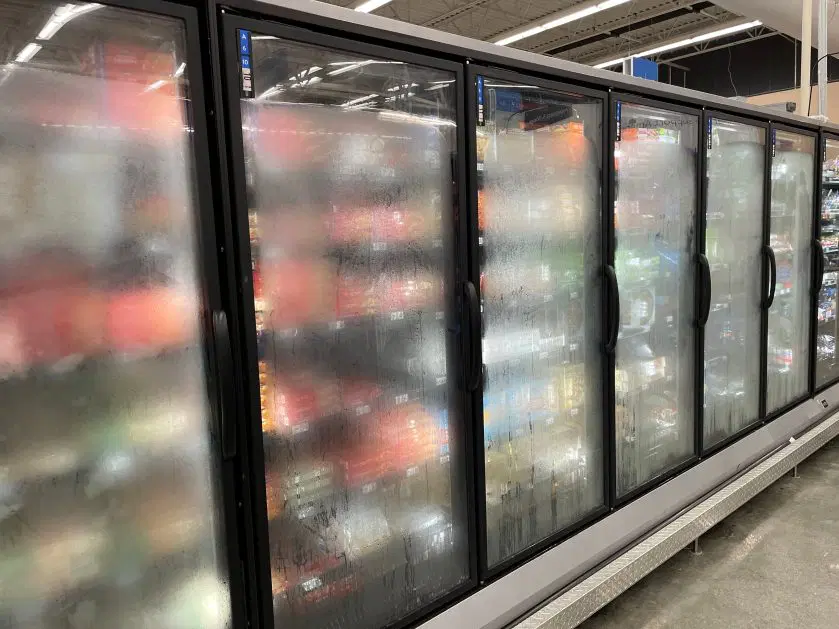
(MENAFN- Grocery Coupon Guide) A row of commercial refrigerator doors covered in heavy condensation obscures the grocery items stored inside. As supermarkets face strict new environmental regulations requiring expensive upgrades to their entire cold storage networks, they are passing these hefty renovation costs directly to consumers in the dairy aisle. Shutterstock.
Shoppers are experiencing severe sticker shock every time they reach into the dairy cooler for a gallon of milk. While inflation is cooling in other aisles, the price of cheese, yogurt, and butter continues to climb. Many people incorrectly assume that local dairy farmers are greedily raising their prices to maximize their profits. In reality, regulatory shifts in commercial refrigeration are forcing supermarkets to overhaul their entire cold storage network. Let us explore the new refrigeration rule behind rising dairy prices in 2026.
New Energy RegulationsThe federal government recently passed strict environmental regulations aimed at phasing out older, highly polluting chemical refrigerants. These older chemicals, known as hydrofluorocarbons, are incredibly effective at keeping food cold but are terrible for the atmosphere. The new mandate requires commercial grocery stores to transition their coolers to more sustainable, climate-friendly cooling technologies. This transition is not optional, and stores face heavy fines if they fail to comply with the timeline.
Upgrading Store CoolersReplacing a commercial refrigeration system is one of the most expensive capital projects a grocery store can undertake. A standard neighborhood supermarket might have dozens of open-air dairy coolers that all need to be ripped out completely. The new compliant systems require specialized installation teams, new electrical wiring, and highly advanced digital monitoring software. Stores are spending hundreds of thousands of dollars per location to keep their milk cold and legally compliant. This financial investment severely damages their quarterly profit margins and available corporate cash flow.
Increased Transportation CostsThe new environmental regulations do not just apply to the physical buildings; they also impact the commercial supply chain. The refrigerated delivery trucks that transport dairy from the farm to the store must also upgrade their cooling units. Trucking companies are passing the cost of these mechanical retrofits directly to the regional dairy distributors. Maintaining the strict cold chain required for fresh milk has never been more expensive or technologically complicated.
Passing Costs to ConsumersGrocery stores operate on razor-thin profit margins and cannot absorb these massive regulatory costs themselves. The only way a supermarket can pay for its new, compliant dairy coolers is by raising its retail prices. Shoppers are effectively footing the bill for the environmental upgrades every time they buy a block of cheddar cheese. Corporate executives know that milk is an essential household staple, meaning consumers will pay the higher price regardless. Until these expensive store renovations are fully paid off, dairy prices will remain uncomfortably high for everyday families.
Navigating the Dairy AisleUnderstanding the root cause of these price hikes helps alleviate the frustration you feel at the checkout register. You can protect your budget by looking for store-brand dairy products, which often carry a much lower retail markup. Buying block cheese and shredding it yourself at home is another fantastic way to save a few dollars. Consider freezing butter and hard cheeses when you find a rare, high-quality sale in the weekly digital flyer. Adapting your shopping habits is the best defense against these unavoidable regulatory price increases.
What To Read NextThe Return of the Milkman Why Local Dairy Delivery is Making a Surprising Comeback in 2026
5 Dairy Products That You Should Never Grab From the Front of the Shelf
Kroger Announces Top 2026 Food Trend Predictions Including Cultured Dairy and Mini Meals
Dairy Processors Shift Packaging That Confuses Customers at Shelf
10 Dairy Substitutes That Save Money Without Sacrificing Taste

Legal Disclaimer:
MENAFN provides the
information “as is” without warranty of any kind. We do not accept
any responsibility or liability for the accuracy, content, images,
videos, licenses, completeness, legality, or reliability of the information
contained in this article. If you have any complaints or copyright
issues related to this article, kindly contact the provider above.
Most popular stories
Market Research

More Story








Comments
No comment