




403
Sorry!!
Error! We're sorry, but the page you were looking for doesn't exist.
9 Grocery Items Nutritionists Say Are Losing Quality Faster This Year
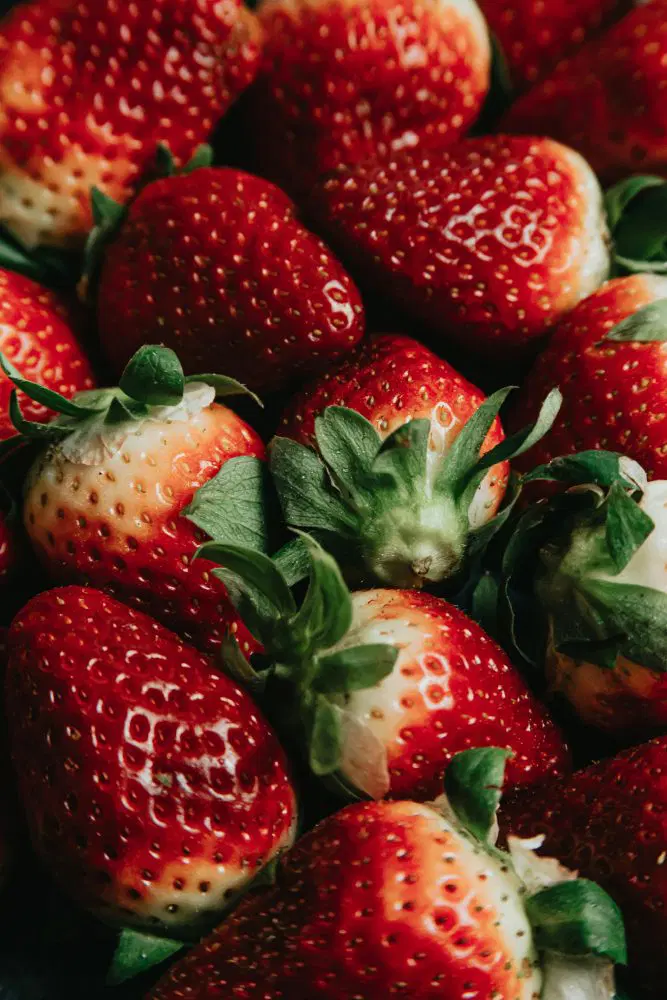
(MENAFN- Grocery Coupon Guide) A close up view highlights a pile of bright red strawberries with vibrant green leafy stems. Nutritionists warn that recent changes in commercial plastic packaging trap excess humidity against the delicate fruit, causing expensive berries to break down and rot much faster than they did in previous years. Pexels.
Shopping for fresh food has become a frustrating exercise for many budget-conscious families in recent months. Nutritionists are warning that certain grocery staples are degrading much faster than they did in previous years. Changes in global agricultural practices and prolonged transit times are negatively impacting the freshness of our food. Shoppers are finding that their expensive produce often spoils before they even have a chance to cook it. Let us explore the 9 grocery items nutritionists say are losing quality faster this year.
1. Fresh StrawberriesStrawberries are highly susceptible to mold, especially when shipped long distances in plastic containers. Experts note that recent changes in commercial packaging trap excess moisture directly against the delicate fruit. This trapped humidity causes the berries to break down and rot within just a couple of days. You should always inspect the bottom of the plastic clamshell for any hidden fuzzy white mold before purchasing. Transferring your berries to a dry, breathable container at home can help extend their very short lifespan.
2. Bagged SpinachPre-washed salad greens offer incredible convenience, but they are increasingly prone to premature wilting and slime. The industrial washing process bruises the tender spinach leaves, accelerating their natural decay in the grocery cooler. Nutritionists point out that the humid environment inside the sealed plastic bag is a perfect breeding ground for bacteria. You will often notice a sour smell when you open a bag that is only a few days old. Buying whole heads of lettuce or loose spinach is a much more reliable strategy for healthy eating.
3. Ripe AvocadosThe window of perfect ripeness for an avocado seems to be shrinking rapidly for modern grocery shoppers. Many commercial growers are harvesting the fruit far too early to survive the long, bumpy transit process. This early harvest prevents the avocado from developing its naturally rich oils and creamy texture. When you finally cut into the fruit at home, you often find a rubbery, flavorless interior. Leaving them on the counter with a banana can help speed up the ripening process naturally.
4. Fresh Atlantic SalmonHigh transportation costs have forced many distributors to freeze and thaw their seafood multiple times before it reaches the retail counter. This constant temperature fluctuation destroys the firm, flaky texture that fresh salmon is famous for. Nutritionists warn that compromised fish lose many of their vital omega-3 fatty acids during this stressful journey. Shoppers often complain that their expensive fillets taste fishy or feel incredibly mushy after cooking. Buying frozen salmon and thawing it yourself guarantees a much higher quality meal for your family.
5. Bakery BreadThe inviting smell of the supermarket bakery often hides the reality of highly processed, par-baked dough. To save on labor costs, many stores are shipping frozen loaves to their locations and briefly reheating them. This shortcut creates bread that dries out and becomes incredibly hard within twenty-four hours of purchase. Real artisan bread relies on a slow fermentation process that preserves moisture and enhances the natural flavor. Checking the ingredient list for chemical preservatives is the best way to spot a low-quality loaf.
6. Deli Sliced TurkeyThe quality of pre-packaged deli meats has dropped significantly as manufacturers try to cut production costs. Many popular brands are pumping their turkey breast with heavy water and sodium solutions to increase the package weight. This leaves you paying premium prices for excess water that dilutes the flavor and texture of the meat. Slices often feel slimy to the touch right after you open the brand-new plastic container. Asking the butcher to slice a fresh roasted turkey breast is a healthier and tastier alternative.
7. Organic MilkOrganic dairy products are usually celebrated for their extended shelf life, but consumers are noticing a recent decline. Supply chain bottlenecks are causing milk to sit in distribution warehouses far longer than it should. By the time the carton reaches your local grocery store, a significant portion of its freshness window has vanished. Many shoppers are reporting that their milk smells slightly sour several days before the printed expiration date. Checking the dates carefully and buying from local regional dairies can help you avoid this frustrating issue.
8. Colorful Bell PeppersVibrant bell peppers are a staple for healthy summer salads, but they are losing their signature crispness very quickly. Retailers are storing them in refrigerated coolers that can damage the cellular structure of the pepper. This cold damage causes the skin to wrinkle and the interior to become unpleasantly soft and mushy. A healthy pepper should feel incredibly firm and heavy for its size when you pick it up. Storing them in the crisper drawer of your fridge helps protect them from excess moisture.
9. Sweet Summer CornThe natural sugars in sweet corn begin turning into dense starches the moment the ear is picked from the stalk. Because transit times have increased, the corn sitting in your grocery store is often several days old. This delay results in kernels that taste bland, chewy, and entirely devoid of their famous summer sweetness. Nutritionists recommend buying corn directly from local farmers' markets where it was harvested that same morning. Boiling the corn immediately after you buy it is the only way to lock in the remaining flavor.
Protecting Your Food InvestmentNavigating the grocery store requires a sharp eye and a willingness to change your standard shopping habits. You must prioritize buying whole, unprocessed foods that have not been damaged by the supply chain. Establishing a relationship with local farmers and butchers is the best way to secure high-quality ingredients. Do not be afraid to return spoiled produce to the customer service desk for a full refund. Demanding better quality from your local retailer ensures that your family eats healthy, delicious meals.
What To Read Next6 Frozen Foods Nutritionists Say Are Worth Buying in 2026
Dollar Tree Dinners: The 5 Frozen Items Nutritionists Say to Leave in the Freezer
8 Frozen Foods That Nutritionists Actually Buy for Themselves
6 Lunch Meats That Nutritionists Say Are Still Problematic
Is Seed Oil Really That Bad? What Nutritionists Are Saying in 2025

Legal Disclaimer:
MENAFN provides the
information “as is” without warranty of any kind. We do not accept
any responsibility or liability for the accuracy, content, images,
videos, licenses, completeness, legality, or reliability of the information
contained in this article. If you have any complaints or copyright
issues related to this article, kindly contact the provider above.
Most popular stories
Market Research

More Story








Comments
No comment