




403
Sorry!!
Error! We're sorry, but the page you were looking for doesn't exist.
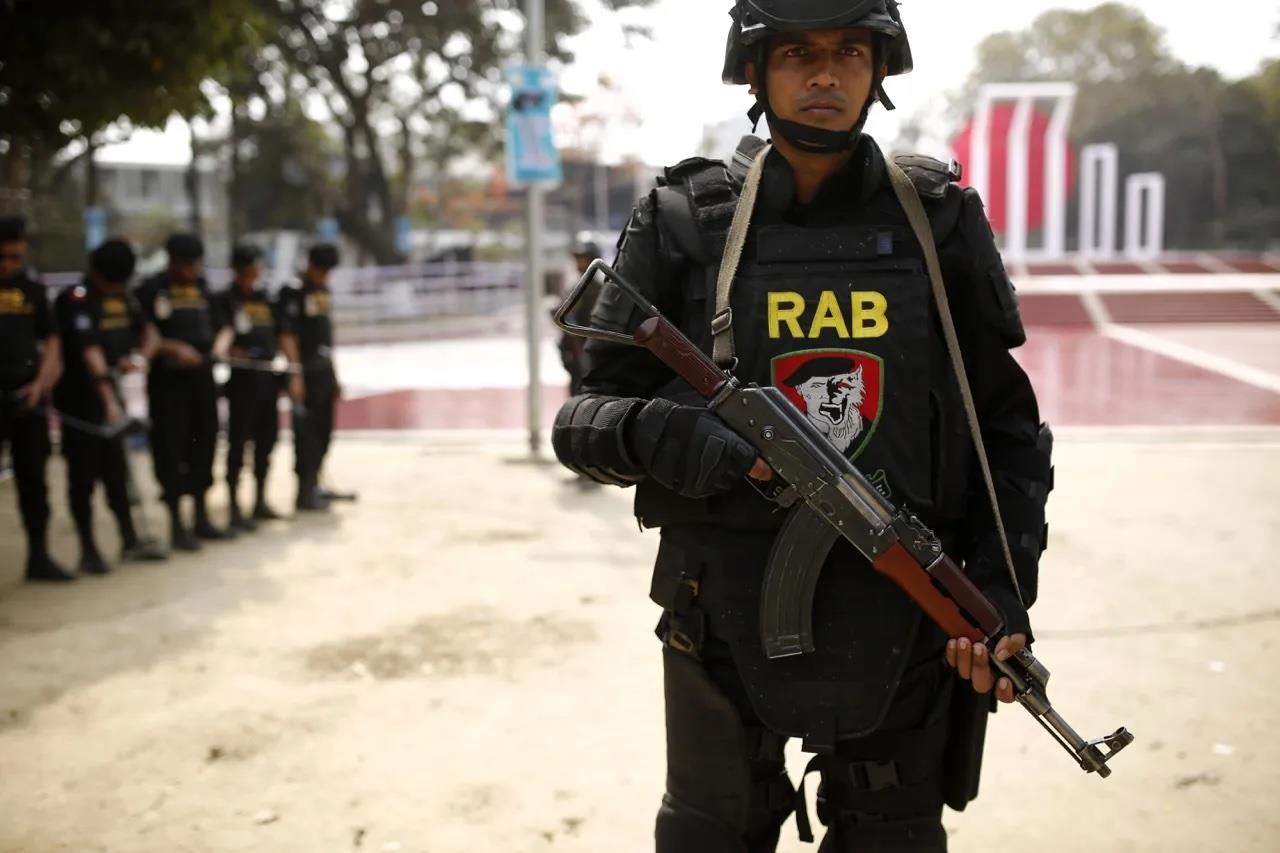
Bangladesh's Paramilitary Problem Cannot Be Rebranded
(MENAFN- Asia Times)
Bangladesh's rulers have a habit of renaming institutions when they become politically radioactive. Roads are renamed after coups, and laws after public outrage. The practice is usually useless.
Now, the same survival instinct is being applied to the Rapid Action Battalion (RAB), the paramilitary force that for two decades served as the preeminent enforcement arm of Bangladeshi authoritarianism.
Officials insist a new legal framework and a fresh signboard can rehabilitate the force. They are wrong. The problem with RAB was never branding. It was the state philosophy that weaponized it.
RAB emerged in 2004 under a Bangladesh Nationalist Party (BNP) coalition government led by Khaleda Zia. Born out of public panic over a wave of violent crime and a nascent Islamist militancy, it was sold as a necessary tool for a weak state.
In narrow tactical terms, it worked. Operations against the militant group Jama'atul Mujahideen Bangladesh (JMB) won praise at home and abroad. Yet Zia's government made a Faustian bargain of efficiency for accountability.
Under her watch, RAB's“crossfires” – the term is a transparent euphemism for extrajudicial executions – became normalized.
According to human rights monitors, more than 350 people were killed in these staged gunfights during the BNP's tenure up to 2006. Like many elite units born in panic, RAB quickly evolved from a counterterrorism squad into a parallel coercive structure operating in the grey zone between military power and civilian life.

Legal Disclaimer:
MENAFN provides the
information “as is” without warranty of any kind. We do not accept
any responsibility or liability for the accuracy, content, images,
videos, licenses, completeness, legality, or reliability of the information
contained in this article. If you have any complaints or copyright
issues related to this article, kindly contact the provider above.
Most popular stories
Market Research

More Story







Comments
No comment