




403
Sorry!!
Error! We're sorry, but the page you were looking for doesn't exist.
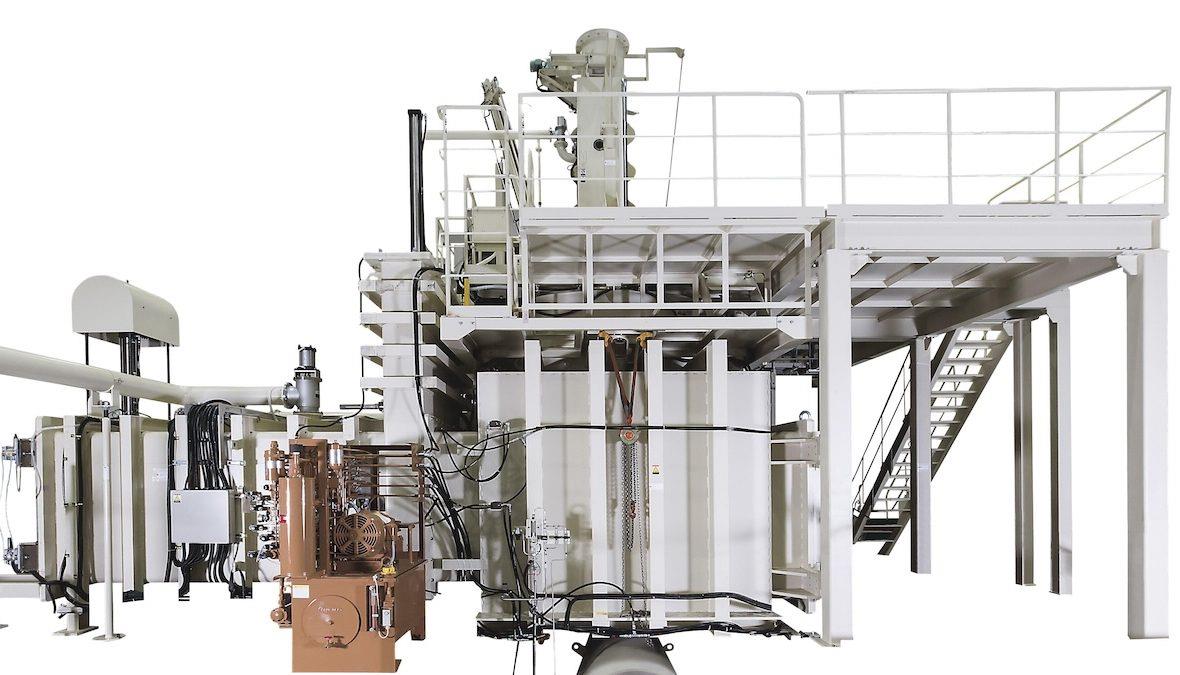
ULVAC To Make Rare Earth Melting Furnaces In Japan
(MENAFN- Asia Times)
If you've been following the slow-motion strategic panic over critical minerals, you know that Japan, Australia, the US, Canada, Europe and others are busy talking about China's dominance both of rare earth mining and refining and of the production of rare earth magnets. Those countries are even starting to do something about it.
What has been left out of reports on the subject, until recently, is how and with whose equipment rare earth magnets are made. Then, on May 1, Nikkei Asia reported that“Ulvac will soon move production of equipment that makes rare-earth magnets back to Japan from China.”
But that was misleading. On May 7, the company itself issued a press release:
ULVAC has about 70% of the global market for vacuum melting furnaces used in the production of rare earth magnets. At present, all of its furnaces are made by a subsidiary in China and most of them are sold there. After the new factory starts operations in September, production in Japan will be ramped up until it accounts for about 15% of the total by 2030.
At least that's how management sees it now. Obviously, the figure could rise if necessary. But the idea is to meet the requirements of non-Chinese customers, not to break ties with China.
The melting furnace is key to the rare earth manufacturing process. It melts and casts the rare earth alloy, creating a microstructure that determines the final performance of the magnet. Other ULVAC furnaces are used in subsequent stages of the magnetic material preparation process, including hydrogen decrepitation (which produces very fine grains of material), sintering and aging.
ULVAC (derived from“Ultimate in Vacuum”) is a medium-sized Japanese manufacturer headquartered in Chigasaki, Kanagawa Prefecture, west of Tokyo – where the new factory will be situated. Based on vacuum technology developed since its establishment in 1952, ULVAC manufactures production equipment, components, analytical instruments and materials for makers of semiconductors, other electronic and optical devices, displays, EV batteries and industrial equpment.

Legal Disclaimer:
MENAFN provides the
information “as is” without warranty of any kind. We do not accept
any responsibility or liability for the accuracy, content, images,
videos, licenses, completeness, legality, or reliability of the information
contained in this article. If you have any complaints or copyright
issues related to this article, kindly contact the provider above.
Most popular stories
Market Research

More Story








Comments
No comment