





403
Sorry!!
Error! We're sorry, but the page you were looking for doesn't exist.
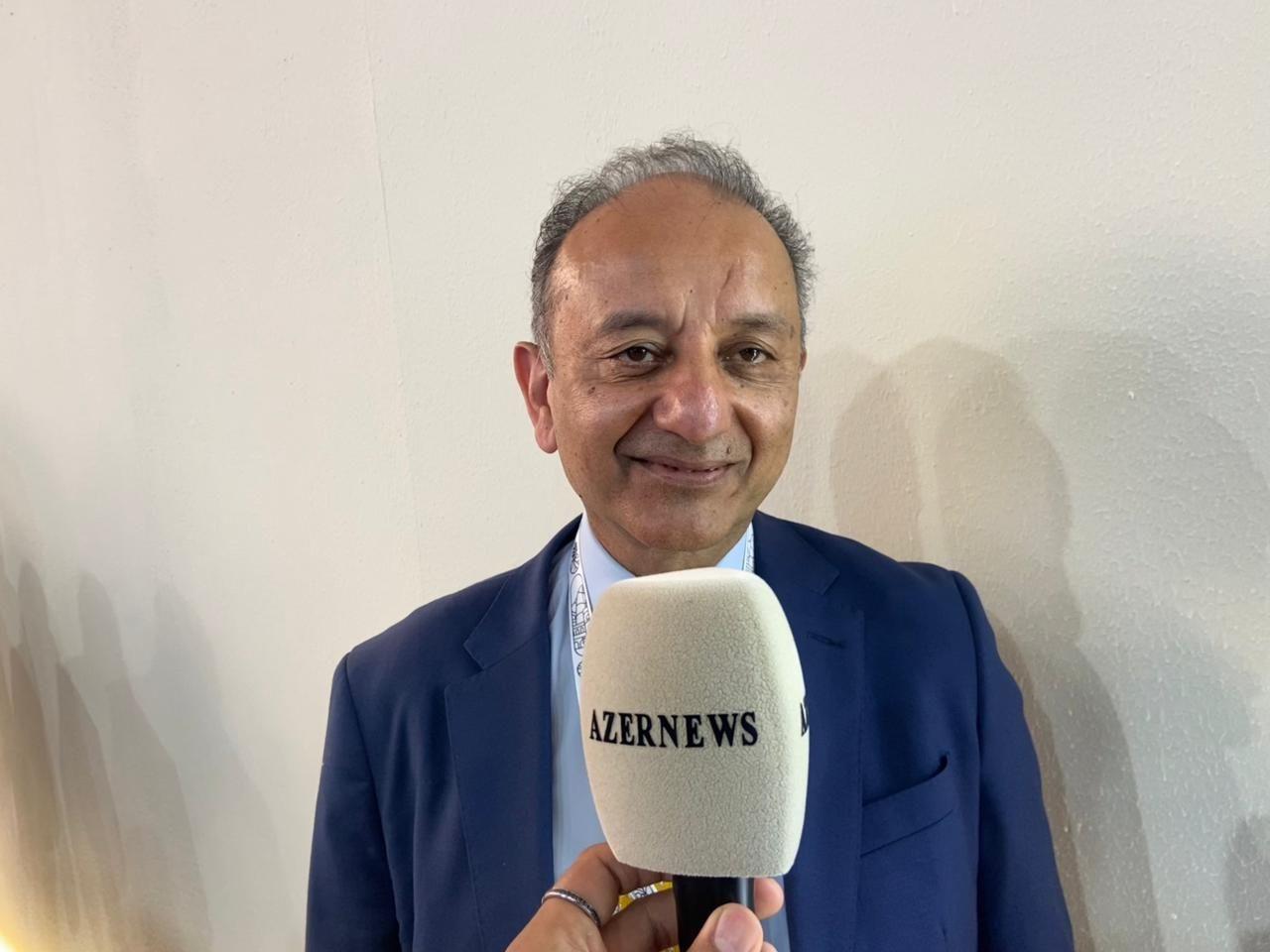
Climate Minister: Azerbaijan Setting Example In Bringing Global Urban Stakeholders Together
(MENAFN- AzerNews)
Akbar Novruz
Read more
Pakistan's Minister for Climate Change and Environmental Coordination, Musadik Masood Malik, praised Azerbaijan's leadership role during the 13th session of the United Nations World Urban Forum (WUF13) in Baku, emphasizing the growing connection between climate resilience, social justice, and sustainable urban development.
AzerNEWS presents the interview:
- How does Pakistan view the growing connection between climate resilience and urban development discussed at the World Urban Forum?
- First of all, I'd like to congratulate Azerbaijan on hosting this forum. It is honestly awe-inspiring. If you look at what Azerbaijan has been doing over the past few years, whether it is COP or this forum, it is taking leadership most interesting thing is that it is not only taking global leadership, it is also becoming a country that speaks for the poor and the disenfranchised of the world. Most of the discussions taking place here are not just about technical reports, but about dignity, human dignity, dignity of the poor, and how we can share our experiences to build more resilient cities and more climate-friendly cities that can protect communities. I would also like to congratulate Ilham Aliyev on the leadership he has established globally. When we say resilience, what do we mean? Resilience is basically a dignified space for people to live in. When we talk about cities and sustainability, it is not just about infrastructure, it is also about the social services that come with that infrastructure. We have to think about a mother not just having a roof over her head, but also having her daughter go to school, her parents and grandparents access healthcare, and having a fair opportunity at life. We are looking at this from the climate perspective, from the social services perspective, and above all, from the dignity perspective. I think that is what all of these sessions are bringing to the forefront.
- Pakistan has faced severe climate-related disasters in recent years. What lessons can global cities learn from the country's experience in urban resilience and recovery?
- Prevention is the best recovery. And prevention requires investments. As you look around the world today, you see that the rule-based regime is weakening, multilateralism is weakening, and funding for resilient infrastructure is declining. In the absence of funding, all of these ideas remain simply ideas. Ideas and hopes are not strategy. Strategies require resources. Climate is a global public good, and everyone must invest in protecting it. Right now, three countries are responsible for around 57 percent of global carbon dioxide equivalent emissions, while ten countries account for nearly 70 percent. But countries like Pakistan, which produce less than 1 percent of emissions, are the ones suffering because of glacier melting, floods, heatwaves, and unpredictable weather patterns. When carbon dioxide emissions increase, temperatures rise. When temperatures rise, glaciers melt. When glaciers melt, you get floods and devastation. Weather patterns become unstable and urban heat zones are created. If we are sincere about protecting this global public good, we must recognize that those who are polluting are not suffering, and those who are suffering are not polluting. This inequity has to be resolved. Together with Azerbaijan, our brothers in arms, under the leadership of His Excellency the President, we are bringing these issues to the forefront and calling on those with greater resources and greater emissions to participate in building resilient communities.
- What are your expectations regarding the development of the Middle Corridor and its role in urban development and regional connectivity?
- I would say two things. First, within countries, corridors should connect the poor and the rich, villages and cities. That is one of the most important forms of infrastructure that we need today. Many populations still live in rural areas, and many of these areas are rapidly urbanizing without proper planning or regulation. These corridors need to create housing and living environments where life is dignified and sustainable. That is the most important message behind such infrastructure projects. Second, we are all interwoven into one global fabric. That is what globalization is about. What happens in one part of the world affects another. So these corridors should not only talk about the poor, but make them visible. Not only talk about their struggles, but make their voices heard. The entire world connected through these corridors should participate together in building more resilient and inclusive communities.

Legal Disclaimer:
MENAFN provides the
information “as is” without warranty of any kind. We do not accept
any responsibility or liability for the accuracy, content, images,
videos, licenses, completeness, legality, or reliability of the information
contained in this article. If you have any complaints or copyright
issues related to this article, kindly contact the provider above.
Most popular stories
Market Research

More Story

Comments
No comment