




403
Sorry!!
Error! We're sorry, but the page you were looking for doesn't exist.
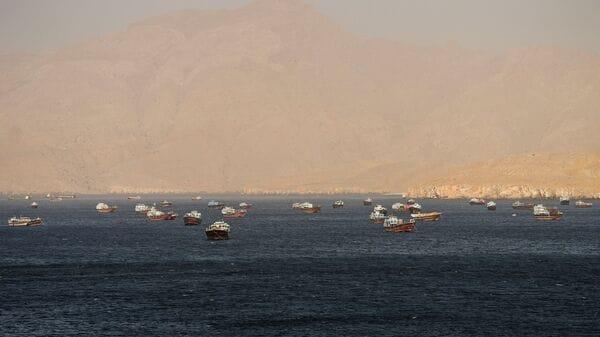
Iran's Next Power Play After Oil Chokehold: Taxing Google, Meta, Others For Hormuz Internet Cables
(MENAFN- Live Mint) With no end to the United States-Iran war and continued blockade of the Strait of Hormuz, putting the world scrambling for oil, Tehran is now looking at the subsea cables laid beneath waterway to make money. According to the reports, Iran now plans to charge big tech companies such as Google, Amazon and Meta for using the subsea cables.
Iranian military spokesperson Ebrahim Zolfaghari declared last week on X,“We will impose fees on internet cables.”
The state-linked media outlets have warned that any refusal to cooperate with Iran could trigger regional outages, potentially disrupting internet services, causing e-commerce glitches, and halting money transfers across affected areas.
While major tech companies would be required to cooperate with the Iranian laws, submarine cable companies would need to pay a licensing fees for laying down the cables. A report mentions that Iran seeks repair and maintenance rights given to the Iranian firms only.
It is, however, not clear how Google, Amazon, Meta-like companies that use subsea cables would be making the payments to Iran without violating the sanctions the United States has imposed on Tehran.
In April, the chair of the Senate Foreign Relations Committee on Thursday will call for new efforts to address growing national security concerns over submarine communications cables.
Also Read | Undersea cables cut in the Red Sea, disrupting internet access in Asia and the MideastSeveral fibre-optic cables snake across the seabed of the strait, connecting countries from India and Southeast Asia to Europe via the Gulf states and Egypt.
What makes subsea cables important?Subsea cables are fibre-optic or electrical cables laid on the sea floor to transmit data and power. They carry around 99% of the world's internet traffic, according to the ITU, the United Nations specialized agency for digital technologies.
They also carry telecommunications and electricity between countries, and are essential for cloud services and online communications.
Subsea cables in Strait of HormuzSome of the major cables through the Strait of Hormuz include the Asia-Africa-Europe 1 (AAE-1).
Also Read | Trump warns Iran 'clock is ticking', says 'there won't be anything left'They connect Southeast Asia to Europe via Egypt, with landing points in the UAE, Oman, Qatar, and Saudi Arabia; the FALCON network, connecting India and Sri Lanka to Gulf countries, Sudan, and Egypt; and the Gulf Bridge International Cable System, linking all Gulf countries including Iran.
What happens if they get damaged?Any damage to the subsea cables risk outages. "Damaged cables mean the internet slowing down or outages, e-commerce disruptions, delayed financial transactions... and economic fallout from all of these disruptions," said geopolitical and energy analyst Masha Kotkin.
But the world will have a backup plan – land-based links.
(With agency inputs)

Legal Disclaimer:
MENAFN provides the
information “as is” without warranty of any kind. We do not accept
any responsibility or liability for the accuracy, content, images,
videos, licenses, completeness, legality, or reliability of the information
contained in this article. If you have any complaints or copyright
issues related to this article, kindly contact the provider above.
Most popular stories
Market Research

More Story






Comments
No comment