




403
Sorry!!
Error! We're sorry, but the page you were looking for doesn't exist.
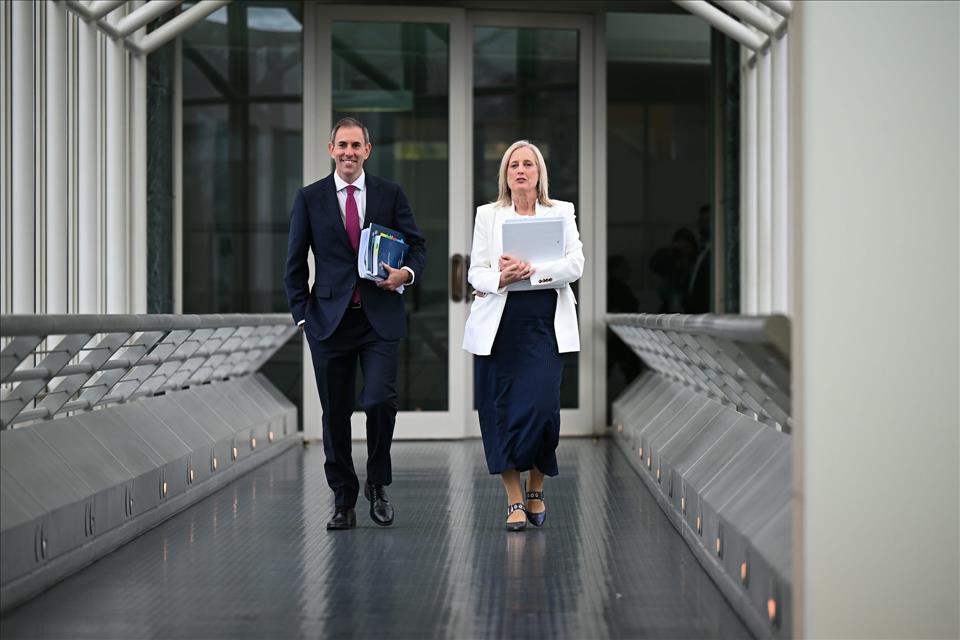
Budget 2026 Brings A Small Tax Handout To Workers And A Crackdown On Tax Breaks And Trusts
Author: Michelle Grattan
(MENAFN- The Conversation) All working Australians will receive a permanent $250“tax offset” from next year in Treasurer Jim Chalmers fifth budget, which also cracks down on tax breaks for housing investors and trusts.

The tax offset in the budget will cost nearly $6.4 billion over the forward estimates.
Delivering the budget on Tuesday night Chalmers told parliament:“This [package] will help rebalance a system which is more generous to assets than it is to labour”.
As was widely predicted, the budget will limit negative gearing for housing to new builds from July next year.
But existing negatively geared properties will be“grandfathered” out of the change.
The 50% capital gains tax discount, will be replaced with an inflation-adjusted indexation.
This will apply to other assets, such as shares, as well as investment housing.
Chalmers told parliament:“our tax changes will help about 75,000 Australians achieve the dream of home ownership”.
He said the budget included“the most significant tax reform package in more than a quarter of a century”.
“This is about tax relief and tax reform to make our economy work for more Australians, businesses and future generations.”
“We're delivering a fairer tax system for workers, first home buyers and future generations.”
The government is also introducing a minimum 30% tax rate on net capital gains from July next year, and on discretionary trusts from July 2028.
Chalmers said Treasury was now forecasting inflation to peak at about 5% because of the Middle East conflict.
“For the same reasons, it's expecting growth to come in half a percentage point lower next financial year, to be 1.75% overall.”
He also presented“a more severe scenario” of what could happen, where the oil price peaked at US$200 before taking three years to come back down.
“We would still avoid a recession, but unemployment would spike to pre-pandemic levels and inflation would peak above 7%.”
Annual real wage growth is forecast to return from next year, while unemployment is expected to remain in the mid fours.
The budget deficit in the next financial year is projected to be $31.5 billion which is $2.8 billion better than earlier predicted.
Chalmers said the bottom line is expected to be better in every year over the forward estimates and the medium term.
“The budget position has improved by $44.9 billion and this makes it more than a quarter of a trillion dollars better than when we came to office.”
But the budget remains in deficit over the forward estimates and is not forecast to return to surplus until the mid 2030s.
Gross debt is forecast to be $982 billion at the end of this financial year. Chalmers described the budget as“ambitious in the face of adversity”.
“It's a responsible budget, and a reforming budget, which builds resilience and bolsters our economy.
"There is more cost-of-living relief, more Medicare and more aged care, and more housing.
"It makes the tax system fairer and stronger for workers, businesses, first home buyers and future generations.”
The budget forecasts that Net Overseas Migration will be 295,000 for 2025-26 dropping to 245,000 in 2026-27.
Most of the major changes in the budget had been pre-announced, including the establishment of a new fuel security regime, an extensive haircut to the National Disability Insurance Scheme and $53 billion over the next ten years for defence.
Institution:University of Canberra

Legal Disclaimer:
MENAFN provides the
information “as is” without warranty of any kind. We do not accept
any responsibility or liability for the accuracy, content, images,
videos, licenses, completeness, legality, or reliability of the information
contained in this article. If you have any complaints or copyright
issues related to this article, kindly contact the provider above.
Most popular stories
Market Research

More Story




Comments
No comment