




403
Sorry!!
Error! We're sorry, but the page you were looking for doesn't exist.
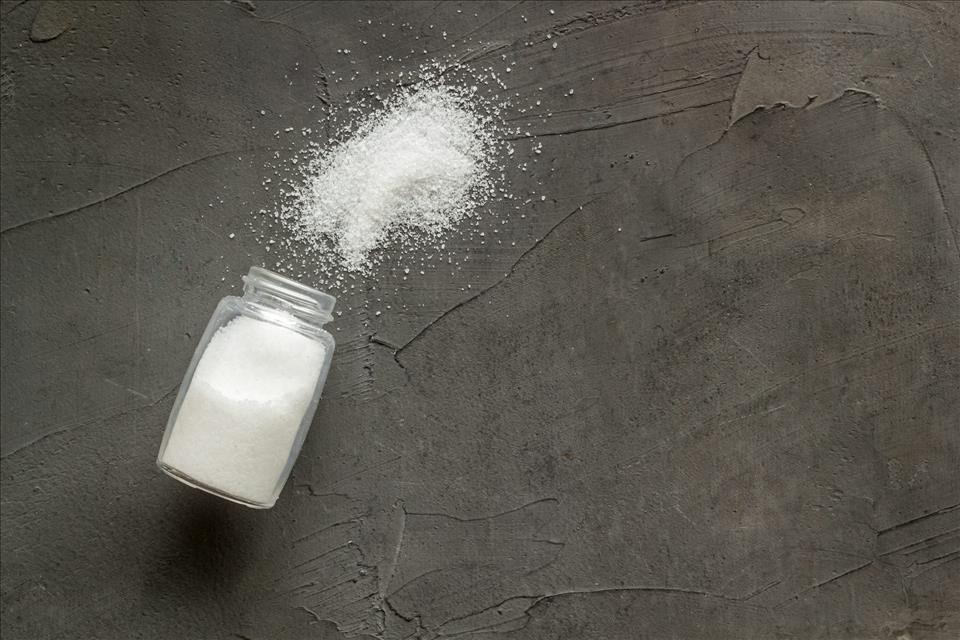
Iodine Deficiency Is Creeping Back. Vegans, Vegetarians And Pregnant Women Are Most At Risk
Author: José Miguel Soriano del Castillo
(MENAFN- The Conversation) Iodine deficiency is often seen as a problem of the past, but this isn't entirely true. During the 20th century, the iodisation of salt became one of the most effective public health interventions for preventing conditions caused by a lack of this mineral, including goiter (enlargement of the thyroid gland) and preventable damage to neurological development.

The World Health Organization (WHO) still views iodised salt as a safe and effective strategy, while UNICEF notes that it is the most widely used way of improving iodine intake worldwide.
However, the success of this simple measure means iodine has all but disappeared from public debate. And today, in several countries, signs of insufficient intake are once again being detected in certain groups, particularly in pregnant or breastfeeding women and people on restrictive or poorly planned diets.
What we are witnessing is not a dramatic resurgence of the most severe symptoms everywhere, but rather a silent risk of deficiency in contexts where vigilance has waned.
Iodine's role in the bodyIodine is an essential micronutrient for the synthesis of thyroxine (T4) and triiodothyronine (T3), hormones that regulate metabolism, growth, and many physiological processes. Adequate intake during pregnancy and early childhood is particularly important for the normal development of the central nervous system and for the early stages of brain maturation.
In addition, the body's needs increase during pregnancy and breastfeeding due to increased maternal production of thyroid hormones, greater renal excretion of iodine, and the transfer of this mineral to the fetus and the infant.
Why deficiency is on the rise againThe issue is not that people have stopped consuming salt, but rather that the type of salt they consume has changed, as have the sources of sodium in their diet. In recent years, iodised salt has been replaced in many households by“gourmet” or“natural” salts. These include sea salt, pink Himalayan salt, flaked salt and kosher salt, which are often perceived as more sophisticated or healthier, even though they are not always iodised.
In a way, iodised salt has an image problem. Compared to the culinary prestige of its trendy rivals, it has come to be viewed as something ordinary, outdated even.
Today, lot of our salt intake also comes from processed and ultraprocessed foods, meaning the use of iodised salt cannot be guaranteed. For this reason, the World Health Organization has called for coordination between policies that aim to reduce sodium intake and those that promote iodised salt.
The makeup of our diets has also changed a lot. Iodine is naturally present in all seafood, some dairy products and in eggs, though the quantity may vary from one region or food system to another. When a person reduces or cuts out several of these sources at once while not also consuming iodised salt or fortified foods, the risk of deficiency increases.
The result is that a basic, inexpensive, and effective micronutrient has fallen out of the spotlight just as certain groups are once again at risk of not getting enough iodine.
Plant-based dietsVegetarian and vegan diets can be healthy, but they must take iodine into consideration. A 2023 review in the British Journal of Nutrition concluded that people following a plant-based diet, especially vegans, may find it hard to get the recommended amount of iodine from these foods alone.
This does not mean a plant-based diet is inherently lacking – and the solution is straightforward. Just as vitamin B12 is is commonly recommended for those who reduce their consumption of fish or dairy – or when people replace animal products with unfortified plant-based alternatives – so too should iodine.
Read more: Vegan and vegetarian diets may lack certain nutrients – here's how to get more of them
Pregnancy and breastfeedingIodine deserves special attention during pregnancy. There is strong evidence that a severe deficiency of this micronutrient can affect fetal development and thyroid function, which is why many organisations use specific thresholds to assess iodine status in pregnant women. The US National Institutes of Health states that a urinary concentration of 150–249 micrograms per liter (μg/L) in pregnant women is considered adequate for the general population.
But there is a caveat to this. Concerns about mild or moderate deficiency are legitimate, but there is no conclusive evidence as to the cognitive benefits of supplementing all pregnant women who show a mild deficiency. Reviews and trials have indicated that there is plausible biological concern, and some studies suggest an association with poorer outcomes, but controlled experiments have not unanimously shown clear improvements in infant neurodevelopment.
Nevertheless, several scientific societies have adopted a cautious stance. The American Thyroid Association, for instance, states that women who are planning to conceive, pregnant or breastfeeding should receive 150 μg of iodine daily in prenatal or multivitamin supplements, usually in the form of potassium iodide, to help meet increased requirements.
Why 'more salt' is not the answerAnother important clarification is needed here. Advocating for iodised salt does not mean recommending a higher salt intake. The WHO maintains its recommendation to reduce sodium intake due to its link with high blood pressure and cardiovascular disease. In terms of public health, the solution is not“more salt”, but less – though the salt we do eat should be iodised.
In fact, the WHO itself has emphasised that reducing salt intake and fortifying salt with iodine are compatible, provided the concentration of the mineral is properly adjusted and salt used by the food industry is also fortified.
This point is key because it avoids two common pitfalls: turning the issue into a nostalgic defence of table salt, or the other extreme of assuming that any reduction in sodium intake will automatically solve all health problems without any nutritional consequences. But it is possible to strike a balance between preventing cardiovascular disease and iodine deficiency.
A weekly e-mail in English featuring expertise from scholars and researchers. It provides an introduction to the diversity of research coming out of the continent and considers some of the key issues facing European countries. Get the newsletter!
Institution:Universitat de València

Legal Disclaimer:
MENAFN provides the
information “as is” without warranty of any kind. We do not accept
any responsibility or liability for the accuracy, content, images,
videos, licenses, completeness, legality, or reliability of the information
contained in this article. If you have any complaints or copyright
issues related to this article, kindly contact the provider above.
Most popular stories
Market Research

More Story








Comments
No comment