




403
Sorry!!
Error! We're sorry, but the page you were looking for doesn't exist.
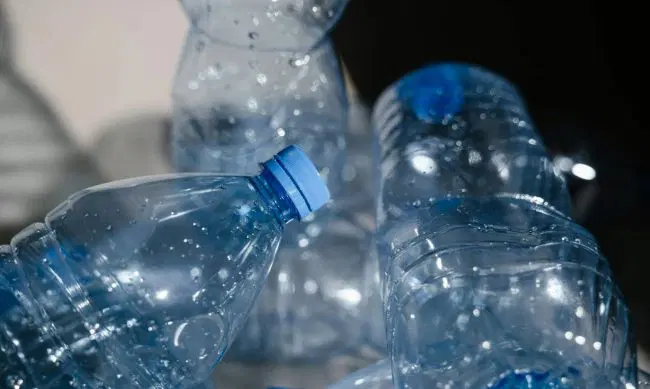
Solar Breakthrough Turns Plastic Trash Into Hydrogen Fuel-Could It Solve The Recycling Crisis?
(MENAFN- Budget and the Bees) Plastic waste has become one of the world's biggest environmental headaches, with millions of tons ending up in landfills, rivers, and oceans every year. At the same time, countries are racing to find cleaner energy sources that can reduce dependence on fossil fuels. Now, scientists may have found a way to tackle both problems at once through a remarkable process that transforms discarded plastic into clean hydrogen fuel using sunlight. This emerging technology, known as solar photoreforming, is generating excitement because it could dramatically reshape how the world handles waste. The idea of turning trash into energy once sounded futuristic, but recent breakthroughs suggest it may soon become part of everyday reality.Scientists Are Using Sunlight to Unlock Energy From Plastic Waste
Researchers from institutions including the University of Cambridge and the University of Adelaide have developed systems that use sunlight and specialized photocatalysts to break down difficult-to-recycle plastics into hydrogen fuel and useful industrial chemicals. Instead of sending plastic bottles, food packaging, or nylon materials to landfills, the process chemically converts them into valuable energy resources. One recent breakthrough even used sulfuric acid recovered from old car batteries, creating a circular recycling model where one waste product helps process another. Scientists say the system works especially well on plastics like PET, commonly used in beverage bottles and food containers. The solar-powered approach also operates at lower temperatures than traditional recycling methods, which could make it more energy-efficient and environmentally friendly over time.
Why Hydrogen Fuel Is Suddenly So ImportantHydrogen fuel has become a major focus in the clean energy industry because it produces water instead of carbon emissions when used in fuel cells. Governments and automakers are investing billions into hydrogen-powered buses, trucks, and industrial systems that could help reduce greenhouse gases. The challenge, however, is that producing hydrogen often requires fossil fuels or energy-intensive industrial processes. That is why scientists are excited about solar photoreforming, which uses waste plastic and sunlight instead of relying heavily on natural gas. If scaled successfully, this method could lower hydrogen production costs while simultaneously reducing plastic pollution around the globe.
Could This Technology Help Solve the Recycling Crisis?The recycling crisis is largely driven by the fact that many plastics are difficult or expensive to process using conventional methods. Globally, less than 10 percent of plastic waste is successfully recycled, while the rest is burned, buried, or discarded into ecosystems. Solar photoreforming offers a different strategy because it can process contaminated or mixed plastics that traditional recycling systems struggle to handle. Researchers believe this could be especially useful for materials that currently have little recycling value, including damaged packaging or multi-layer plastics. While experts caution that the technology will not eliminate plastic pollution overnight, many believe it could become a powerful complementary solution alongside existing recycling programs.
The Biggest Challenges Still Standing in the WayDespite the excitement, scientists acknowledge that several obstacles remain before this technology can operate on a large commercial scale. Different plastics react differently during the conversion process, and additives such as dyes, stabilizers, and chemicals can interfere with efficiency. Engineers also need to develop durable reactors capable of handling corrosive conditions while remaining cost-effective for industrial use. Another concern is whether the process can consistently generate enough hydrogen to compete economically with existing energy systems. Experts say pilot plants and real-world testing will be critical in determining whether solar photoreforming can move from the laboratory into widespread commercial use.
What This Could Mean for Everyday ConsumersIf the technology succeeds, consumers could eventually see major changes in how waste is collected and reused. Instead of plastic being viewed as worthless garbage, municipalities and businesses may treat it as a valuable energy resource. Communities could potentially build localized facilities that convert waste into hydrogen fuel for buses, delivery vehicles, or industrial operations. This could also create new jobs in clean energy, recycling innovation, and sustainable manufacturing industries. For households already frustrated by overflowing recycling bins and confusing recycling rules, the idea that plastic trash could directly power future transportation systems is a surprisingly hopeful development.
A New Era Where Trash Could Become a Valuable ResourceThe latest solar photoreforming breakthroughs show that scientists are rethinking waste in ways that were nearly unimaginable just a decade ago. Instead of viewing discarded plastics solely as an environmental disaster, researchers now see them as a hidden energy source capable of producing clean hydrogen fuel. While serious technical and economic hurdles still exist, early results suggest the technology has real potential to reduce pollution while supporting the transition to cleaner energy. The coming years will determine whether these laboratory successes can scale into practical systems used by cities and industries worldwide. If they can, the future of recycling may look far less like a landfill and far more like a renewable energy plant powered by yesterday's trash.
What do you think about turning plastic waste into hydrogen fuel? Could this technology change the future of recycling, or are there still too many obstacles to overcome? Share your thoughts in the comments and join the conversation. Your opinion could help spark important discussions about the future of clean energy and sustainable waste management.

Legal Disclaimer:
MENAFN provides the
information “as is” without warranty of any kind. We do not accept
any responsibility or liability for the accuracy, content, images,
videos, licenses, completeness, legality, or reliability of the information
contained in this article. If you have any complaints or copyright
issues related to this article, kindly contact the provider above.
Most popular stories
Market Research

More Story








Comments
No comment