



403
Sorry!!
Error! We're sorry, but the page you were looking for doesn't exist.
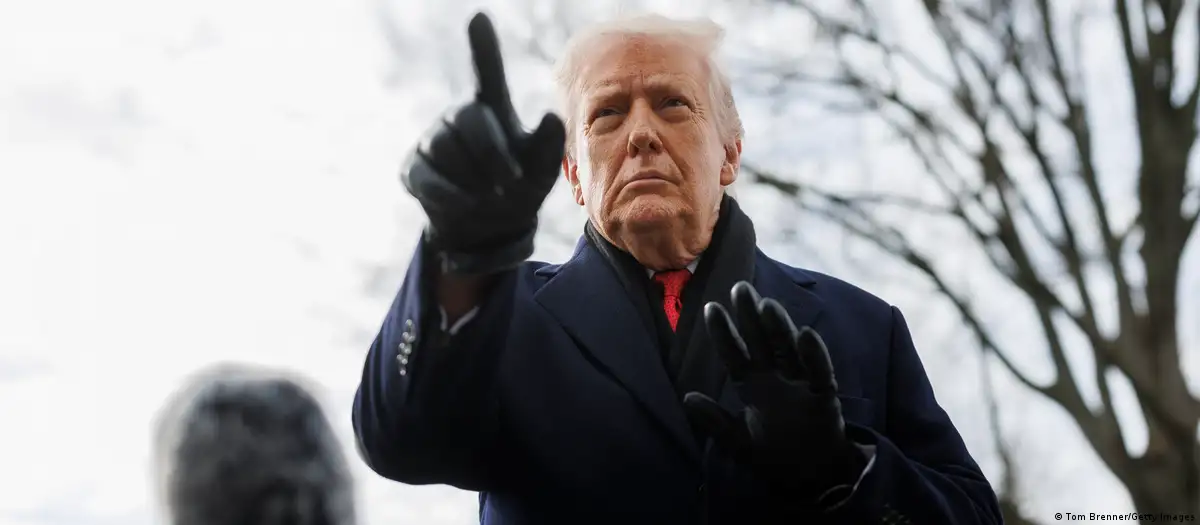
Trump To Visit China For High-Stakes Talks On Trade, Iran And Taiwan
(MENAFN- Khaama Press) US President Donald Trump will visit China for high-stakes talks with Xi Jinping focusing on trade, Iran tensions and global security issues.
China's state news agency Xinhua News Agency reported that US President Donald Trump will visit China from May 13 to 15 for high-level talks with Chinese President Xi Jinping, focusing on trade, security and global geopolitical tensions.
According to reports, Trump will arrive in Beijing on Wednesday, with formal bilateral meetings scheduled for Thursday and Friday, marking his first official visit to China since 2017. The two leaders are expected to meet face-to-face for the first time in about six months.
The visit is widely seen as an attempt to ease rising economic tensions between the world's two largest economies while also addressing broader global issues, including the war in Iran and strategic competition in Asia.
The agenda is expected to include sensitive topics such as nuclear weapons, Taiwan, artificial intelligence and the future of global trade relations, alongside efforts to stabilize strained diplomatic ties.
US officials say Washington and Beijing are likely to explore new mechanisms to facilitate bilateral trade and investment, including potential agreements on agricultural products, energy imports and aircraft purchases from Boeing.
Both sides may also discuss the establishment of joint“trade and investment councils,” although implementation would depend on further negotiations following the summit.
A key focus will be the extension of a temporary trade truce, under which China continues exporting rare earth minerals to the United States. However, it remains unclear whether an extension will be finalized during this round of talks.
Beyond economic issues, discussions are expected to address China's role in the Iran conflict, with Washington urging Beijing to use its influence over Tehran to support a diplomatic settlement and de-escalation. China remains one of Iran's largest oil buyers and maintains close economic ties with Tehran.
Tensions over Taiwan are also expected to feature prominently, as Beijing strongly opposes US military support for the island, while Washington continues to be Taiwan's largest arms supplier and strategic partner.
The two sides are also expected to discuss artificial intelligence governance and the risk of technological escalation, as China's rapid AI development raises concerns in Washington over competition and security risks.
The United States has long sought structured dialogue with China on nuclear arms control, but Beijing has shown limited interest in formal negotiations, citing strategic and regional security concerns.
Trump and Xi last met in person in October in South Korea, where both sides agreed to temporarily reduce trade tensions after months of escalating tariffs and threats over restrictions on critical mineral exports.

Legal Disclaimer:
MENAFN provides the
information “as is” without warranty of any kind. We do not accept
any responsibility or liability for the accuracy, content, images,
videos, licenses, completeness, legality, or reliability of the information
contained in this article. If you have any complaints or copyright
issues related to this article, kindly contact the provider above.
Most popular stories
Market Research

More Story






Comments
No comment