



403
Sorry!!
Error! We're sorry, but the page you were looking for doesn't exist.
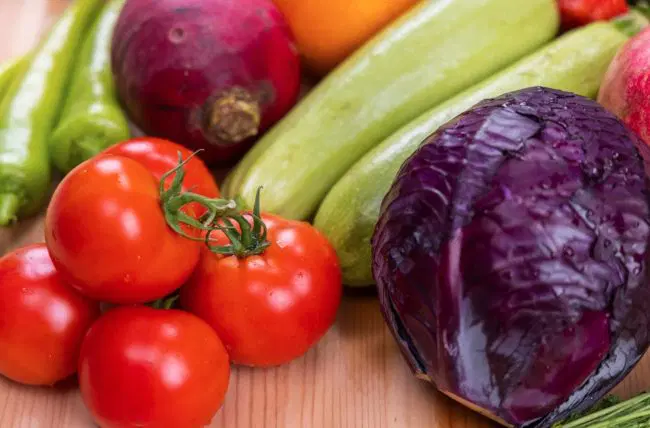
Low-Carb Vs. Low-Fat Doesn't Matter-It's The Quality That Protects Your Heart
(MENAFN- Budget and the Bees) For years, diet debates have divided people into camps: low-carb or low-fat. Grocery aisles are packed with keto snacks on one side and fat-free products on the other, leaving many consumers confused about what truly supports heart health. However, newer nutrition research shows the bigger issue may not be the amount of carbs or fat you eat, but the quality of those foods. Experts now agree that a diet filled with minimally processed, nutrient-dense foods has a far greater impact on cardiovascular health than simply cutting carbs or fat alone. The phrase heart healthy diet is now more connected to food quality than extreme restrictions.Why Food Quality Beats Diet Labels
Researchers studying eating patterns have increasingly found that food quality predicts heart outcomes more accurately than strict macronutrient ratios. Someone eating lean proteins, vegetables, whole grains, nuts, and fruits can maintain excellent heart health whether they consume more fats or more carbohydrates. Meanwhile, highly processed foods loaded with added sugars, refined oils, and sodium can increase inflammation and cardiovascular risk regardless of whether they fit into a low-carb or low-fat category. This explains why two people following the same type of diet may experience dramatically different health outcomes. A heart healthy diet focuses more on nutrient-rich foods than trendy labels.
The Hidden Problem With Ultra-Processed FoodsOne major reason food quality matters so much is the rise of ultra-processed foods in modern diets. These products are often engineered for convenience and taste rather than nutrition, containing additives, preservatives, excess sodium, and refined carbohydrates. Studies have linked high consumption of ultra-processed foods to obesity, high blood pressure, Type 2 diabetes, and increased heart disease risk. Even foods marketed as“healthy” can fall into this category if they are heavily refined or artificially modified. Reading ingredient labels carefully is often just as important as checking calories or fat content.
Healthy Fats and Smart Carbs Can Work TogetherAnother misconception is that fats and carbohydrates are automatically“good” or“bad.” In reality, certain fats and carbs actively support cardiovascular health when eaten in reasonable amounts. Healthy fats from olive oil, fatty fish, seeds, and nuts can reduce inflammation and improve cholesterol levels. Likewise, high-quality carbohydrates from vegetables, legumes, fruits, and whole grains provide fiber that helps regulate blood sugar and lower LDL cholesterol. A balanced heart healthy diet includes both healthy fats and smart carbohydrates.
Small Daily Choices Create Long-Term ResultsProtecting your heart does not require perfection or extreme dieting. Small daily habits often make the greatest difference over time, especially when consistently practiced. Swapping sugary drinks for water, choosing grilled foods over fried options, or adding more vegetables to dinner can steadily improve cardiovascular health. Many doctors emphasize that consistency matters far more than occasional“cheat days” or short-term detox plans. Sustainable habits are the foundation of a lasting heart healthy diet.
The Real Heart-Health TakeawayThe low-carb versus low-fat debate may continue online, but the science is increasingly clear about one thing: food quality matters most. Diets rich in whole foods, fiber, healthy fats, and minimally processed ingredients consistently support better cardiovascular outcomes than highly restrictive eating plans filled with processed substitutes. Instead of chasing trends, many nutrition experts now recommend focusing on balance, sustainability, and smarter food choices. A heart healthy diet is less about eliminating entire food groups and more about choosing foods that nourish the body consistently. When people prioritize quality over extremes, they are far more likely to protect both their heart and their long-term well-being.
Your Heart Deserves Better ChoicesHeart health is not built overnight, and it is not determined by whether you avoid carbs or fats completely. The foods you choose daily have a cumulative effect on cholesterol, blood pressure, inflammation, and overall cardiovascular wellness. Focusing on fresh produce, healthy proteins, whole grains, and minimally processed ingredients offers a realistic and sustainable path toward better health. Rather than following restrictive trends, aim for balance and consistency that you can maintain for years.
What changes have you made to improve your eating habits, and do you believe food quality matters more than strict diet rules? Share your thoughts in the comments below.

Legal Disclaimer:
MENAFN provides the
information “as is” without warranty of any kind. We do not accept
any responsibility or liability for the accuracy, content, images,
videos, licenses, completeness, legality, or reliability of the information
contained in this article. If you have any complaints or copyright
issues related to this article, kindly contact the provider above.
Most popular stories
Market Research

More Story








Comments
No comment