



403
Sorry!!
Error! We're sorry, but the page you were looking for doesn't exist.
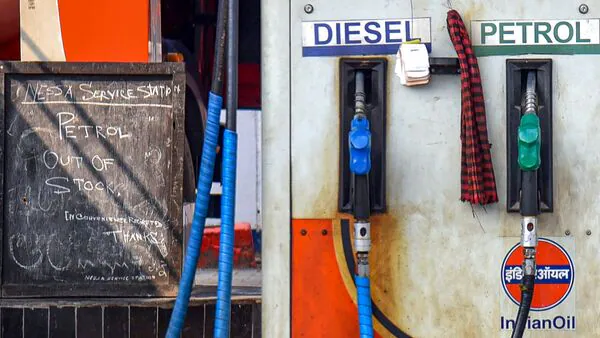
Petrol, Diesel Prices Today: How Much Does Fuel Cost In Delhi, Mumbai, Kolkata, Bengaluru On 10 May
(MENAFN- Live Mint) Petrol prices in India continued to remain elevated on Sunday, with the retail rate in Mumbai standing at ₹103.54 per litre. No revision was recorded compared to the previous day, although minor fluctuations have been observed over the past ten days, during which prices moved within a narrow range of ₹103.50 to ₹103.54 per litre.
The persistence of high fuel prices comes against the backdrop of escalating geopolitical tensions in West Asia and growing concerns over disruptions to global energy supplies, developments that analysts believe could exert further pressure on international crude oil markets in the coming weeks.
International Factors Continue to Influence Indian Fuel PricesFuel prices in India are determined by a combination of international crude oil benchmarks, rupee-dollar exchange rates and domestic taxation structures imposed by both the Union and state governments.
Also Read | Petrol, diesel prices today: How much does fuel cost in major cities on 9 MayDespite recent stability in daily retail prices, petrol rates in India remain significantly higher than those in several neighbouring countries, largely due to comparatively higher excise duties and value-added taxes levied on petroleum products.
Market observers note that any sustained disruption in global oil supply chains could translate into renewed upward pressure on domestic fuel prices, particularly if crude benchmarks continue to rise amid geopolitical instability.
Check Petrol Prices TodayCheck Diesel Prices TodaySaudi Aramco Warns of Major Global Oil Supply DisruptionsConcerns over energy security intensified after Saudi Aramco chief executiv Amin Nasser stated that the global market had effectively been deprived of nearly one billion barrels of oil over the past two months.
In remarks reported by Reuters, Nasser said that even if energy flows were fully restored, it would take considerable time for global supply systems to stabilise and return to normal operating conditions.
He added that the company's immediate objective remained ensuring continuity of energy flows despite mounting strain on international supply networks.
Strait of Hormuz Tensions Raise Fears of Further Market VolatilityRegional tensions escalated further after Iran's Revolutionary Guard navy warned that any attack on Iranian oil tankers or commercial vessels would provoke a“heavy assault” targeting American military bases and maritime assets in the region.
Also Read | Petrol, diesel prices today: How much does fuel cost in major cities on 8 MayThe warning followed reports that the United States had struck two Iranian oil tankers allegedly attempting to breach a blockade of Iranian ports. While Washington has maintained that a month-old ceasefire with Tehran technically remains in place, the latest developments have cast uncertainty over the durability of the truce.
The strategic importance of the Strait of Hormuz - one of the world's most critical energy transit corridors - has amplified concerns among global markets. Any prolonged disruption to shipping routes through the waterway could significantly affect international oil supply chains and freight costs.
Diplomatic Efforts Continue Amid Regional UncertaintyDiplomatic negotiations remain ongoing as Washington awaits Tehran's response to a renewed proposal aimed at ending hostilities, reopening the Strait of Hormuz to commercial shipping and limiting Iran's disputed nuclear activities.
Meanwhile, Vladimir Putin stated that Russia's proposa to remove enriched uranium from Iran as part of a broader negotiated settlement remained under consideration.
Also Read | Petrol, diesel prices on 3 May - How much does fuel refill cost in Delhi, MumbaiSeparately, Bahrain - home to the United States Navy's regional headquarters - announced the arrest of several individuals allegedly linked to Iran's Revolutionary Guard, adding another layer of complexity to an already volatile regional security environment.
Potential Implications for Indian ConsumersFor India, which remains heavily dependent on imported crude oil, prolonged instability in West Asia could have significant economic implications. Higher crude prices may increase transportation and manufacturing costs domestically, potentially contributing to inflationary pressures across essential commodities and services.
While retail fuel prices have remained largely stable in recent days, analysts caution that any further escalation in the Gulf region could quickly alter pricing trends in India's energy market.

Legal Disclaimer:
MENAFN provides the
information “as is” without warranty of any kind. We do not accept
any responsibility or liability for the accuracy, content, images,
videos, licenses, completeness, legality, or reliability of the information
contained in this article. If you have any complaints or copyright
issues related to this article, kindly contact the provider above.
Most popular stories
Market Research

More Story








Comments
No comment