



403
Sorry!!
Error! We're sorry, but the page you were looking for doesn't exist.
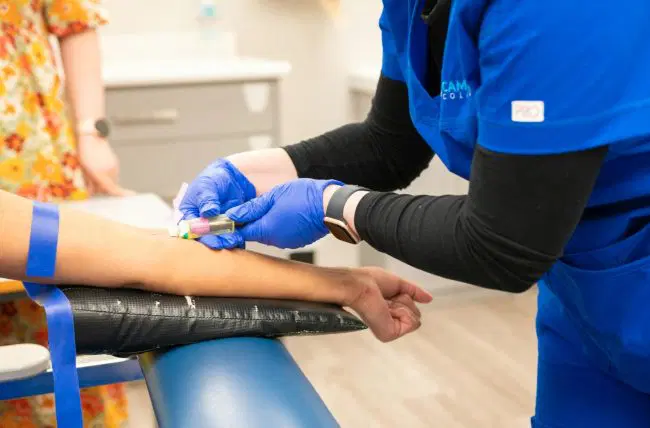
Blood Test Could Spot Depression Before You Feel It-Tracking Aging Immune Cells
(MENAFN- Budget and the Bees) Depression is often viewed as a condition that appears suddenly, but scientists are beginning to uncover warning signs that may develop long before emotional symptoms surface. New research suggests that a simple blood test could one day identify people at higher risk for depression by tracking aging immune cells linked to chronic inflammation. This breakthrough is attracting attention because depression affects millions of people worldwide and many cases go undiagnosed until symptoms become severe. Researchers now believe the immune system may provide one of the earliest clues that mental health is beginning to decline. If these findings continue to hold up in larger studies, doctors may eventually use routine blood screenings to detect depression risk earlier and help patients intervene before their emotional health spirals downward.How Aging Immune Cells May Influence Depression
Scientists studying depression have increasingly focused on inflammation inside the body, especially low-grade inflammation that lingers for years. Recent studies found that certain immune cells known as senescent immune cells begin to age prematurely and release inflammatory chemicals that can affect the brain. These chemicals may disrupt mood regulation, sleep patterns, memory, and stress responses over time. Researchers observed that people with elevated levels of these aging immune cells were more likely to develop depressive symptoms later, even if they initially felt emotionally healthy. This growing evidence suggests that depression risk may partly begin as a biological process rather than only a psychological one.
The idea that inflammation contributes to depression is not entirely new, but this research adds an important layer by identifying measurable cellular changes in the blood. Scientists believe chronic stress, poor sleep, obesity, smoking, and long-term illness may accelerate immune cell aging. For example, someone dealing with years of high workplace stress and poor recovery habits may unknowingly trigger inflammatory activity that gradually impacts brain chemistry.
Why Early Detection Could Change Mental Health CareOne reason depression remains difficult to treat is that many people seek help only after symptoms significantly interfere with daily life. By the time someone experiences persistent sadness, exhaustion, or loss of motivation, changes inside the brain and body may already be well established. A predictive blood test could allow doctors to identify vulnerable individuals much earlier and recommend lifestyle changes, therapy, or medical monitoring before the condition worsens.
The potential benefits go beyond diagnosis alone because objective biological markers may also reduce stigma surrounding mental illness. Many people still hesitate to seek help because they fear being judged or dismissed. A measurable blood-based indicator could reinforce the idea that depression is connected to real physical processes inside the body, similar to heart disease or diabetes. This could encourage more patients to take symptoms seriously and pursue professional care earlier. It may also help physicians tailor treatments more effectively based on a patient's inflammation levels and immune health.
The Science Is Promising but Still DevelopingAlthough the research is encouraging, experts caution that these blood tests are not ready for widespread clinical use yet. Depression is a highly complex condition influenced by genetics, trauma, lifestyle, social environment, and brain chemistry. Aging immune cells are unlikely to serve as the only predictor of mental health problems. Scientists still need large-scale studies involving diverse populations to confirm how accurate these biomarkers truly are over time. Researchers must also determine whether inflammation directly causes depression or simply increases vulnerability to it.
There is also concern that people could misinterpret early screening results without proper medical guidance. A high inflammation score would not automatically mean someone is destined to develop depression. Instead, it would likely represent one risk factor among many that doctors consider when evaluating overall health. Experts emphasize that no blood test should replace conversations with mental health professionals or emotional self-awareness. The goal is not to label healthy people as mentally ill, but to create another tool that supports earlier and more personalized care.
Lifestyle Habits That May Protect Immune and Mental HealthWhile scientists continue refining these tests, there are already proven ways to reduce chronic inflammation and support emotional well-being. Regular exercise remains one of the most effective strategies because physical activity helps regulate immune responses while improving mood-related brain chemicals like serotonin and dopamine. Eating a balanced diet rich in vegetables, fruits, healthy fats, and lean proteins may also help lower inflammatory activity in the body. Sleep is equally critical because poor sleep quality has been strongly linked to both immune dysfunction and depression risk. Even modest improvements in sleep routines can produce measurable mental health benefits.
The Bigger Message Behind This ResearchThe emerging connection between aging immune cells and depression highlights how deeply physical and mental health are intertwined. Scientists are moving away from the outdated idea that depression exists only in the mind and toward a more integrated understanding of the entire body. A future depression blood test could eventually help millions of people receive support before emotional symptoms become overwhelming. Still, experts agree that mental health care must remain compassionate, individualized, and focused on the whole person rather than a single lab result. The most important takeaway is that paying attention to inflammation, stress, sleep, and emotional wellness today may protect both brain and body health for years to come.
What do you think about the possibility of detecting depression risk through a blood test before symptoms appear? Would you want access to this type of screening, or do you think it raises concerns about privacy and mental health labeling? Share your thoughts in the comments and join the conversation.

Legal Disclaimer:
MENAFN provides the
information “as is” without warranty of any kind. We do not accept
any responsibility or liability for the accuracy, content, images,
videos, licenses, completeness, legality, or reliability of the information
contained in this article. If you have any complaints or copyright
issues related to this article, kindly contact the provider above.
Most popular stories
Market Research

More Story








Comments
No comment