



403
Sorry!!
Error! We're sorry, but the page you were looking for doesn't exist.
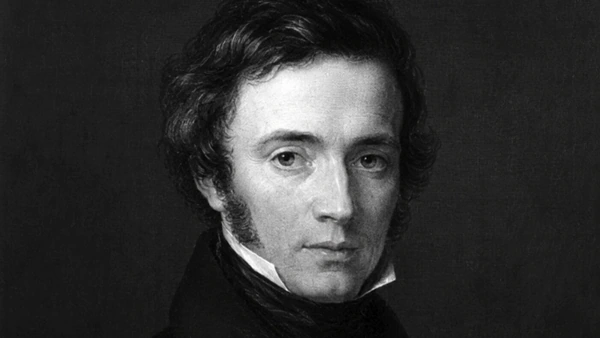
Quote Of The Day By William Hazlitt: 'The Art Of Life Is To Know How To...'
(MENAFN- Live Mint) This widely cited observation from English essayist and critic William Hazlitt continues to resonate because of its directness and realism.The meaning of the quote
Rather than presenting life as a constant pursuit of happiness or suggesting that hardship can be avoided, Hazlitt's words acknowledge a more grounded truth: life often demands patience, endurance and adaptability, while moments of joy can sometimes be brief and understated.
The quote speaks to the balance between acceptance and appreciation. It suggests that life's challenges are often unavoidable, whether they come in the form of professional setbacks, personal disappointments, uncertainty or periods of emotional strain.
People also ask
AI powered insights from this story
.5 QUESTIONS1What is the core message of William Hazlitt's quote about the art of life?⌵William Hazlitt's quote, 'The art of life is to know how to enjoy a little and to endure very much,' emphasizes a realistic balance. It suggests acknowledging life's inevitable hardships while also appreciating small moments of joy and contentment.
2How does Hazlitt's quote contrast with modern expectations of happiness?⌵Modern life often promotes immediate and continuous happiness, amplified by social media. Hazlitt's perspective offers a contrast, reminding us that fulfillment is often built through perseverance and resilience, rather than constant celebration or temporary satisfaction.
3How can one apply William Hazlitt's philosophy to everyday life?⌵Applying Hazlitt's philosophy involves adjusting expectations to appreciate gradual progress and learning to value small pleasures. It also means building routines that support resilience, such as maintaining perspective during setbacks and focusing on what can be controlled.
4What is the meaning behind Ernest Hemingway's quote about being strong at broken places?⌵Ernest Hemingway's quote, 'The world breaks everyone, and afterward, some are strong at the broken places,' signifies that while hardship is universal, it's the recovery and adaptation that build strength. It suggests that damage can become the foundation for rebuilding and resilience.
5How does Norman Vincent Peale define positive thinking in his quote?⌵Norman Vincent Peale defines positive thinking not as ignoring negativity, but as refusing to dwell on it. It's a mindset that habitually seeks the best outcomes from difficult circumstances, focusing on solutions and growth opportunities rather than becoming consumed by problems.
Also Read | Quote of the day by Anton Chekhov: 'Knowledge is of no value unless...'At the same time, Hazlitt points to the importance of recognising and valuing smaller moments of contentment - a conversation with a friend, progress after sustained effort, a quiet sense of achievement, or simply a moment of peace amid routine pressures.
The relevance of the quoteIts relevance remains particularly strong in a world shaped by constant comparison and high expectations. Modern life often promotes the idea that fulfilment should be immediate, visible and continuous. Social media and fast-paced lifestyles can create the impression that success and happiness are permanent states to be achieved and displayed.
Hazlitt's quote offers a contrasting perspective. It reminds people that much of life is built through perseverance rather than constant celebration, and that resilience often matters more than temporary satisfaction.
The deeper meaning lies in its emphasis on emotional discipline. To“enjoy a little” is not to settle for less, but to recognise the value of small, genuine pleasures without demanding that life always provide more.
Also Read | Quote of the day by Donald Trump: 'I try to learn from the past, but I plan....'To“endure very much” is not an endorsement of suffering for its own sake, but a recognition that strength often comes from learning how to withstand difficulty without losing perspective.
How can Hazlitt's philosophy be appliedApplying this idea in everyday life often begins with adjusting expectations. It can mean learning to appreciate gradual progress instead of waiting only for major milestones. In professional settings, this may involve accepting that growth is often slow and requires sustained effort. In personal life, it can mean understanding that relationships, goals and self-development involve setbacks as well as successes.
There are practical ways to put Hazlitt's words into action.
Building routines that support resilience - such as maintaining perspective during setbacks, focusing on what can be controlled, and practising patience - can help people better endure periods of challenge. Equally important is the habit of noticing and appreciating smaller positives, whether through reflection, gratitude, or simply being present in ordinary moments.
Hazlitt's quote remains powerful because it strips life down to a fundamental reality. Fulfilment often comes not from avoiding hardship, but from learning to face it while still making space to recognise and value the quieter moments of joy that emerge along the way.

Legal Disclaimer:
MENAFN provides the
information “as is” without warranty of any kind. We do not accept
any responsibility or liability for the accuracy, content, images,
videos, licenses, completeness, legality, or reliability of the information
contained in this article. If you have any complaints or copyright
issues related to this article, kindly contact the provider above.
Most popular stories
Market Research

More Story








Comments
No comment