



403
Sorry!!
Error! We're sorry, but the page you were looking for doesn't exist.
Fuel Shortages, Rising Prices: Iran-US Standoff Impacts Balochistan Trade
(MENAFN- Tribal News Network) By Ayaz Mandokhel
Rising tensions between Iran and the United States have not only affected global markets but have also placed severe pressure on the border economy of Pakistan's province of Balochistan, where thousands of families depend on border trade for their livelihoods.
Balochistan, which shares an approximately 906-kilometre-long border with Iran, has long relied on cross-border trade. However, under the current circumstances, a significant decline in this trade has been observed, directly impacting the local population.
Five border districts of Balochistan - Gwadar, Kech, Panjgur, Washuk and Chagai - are connected with Iran and are considered key hubs of border trade.
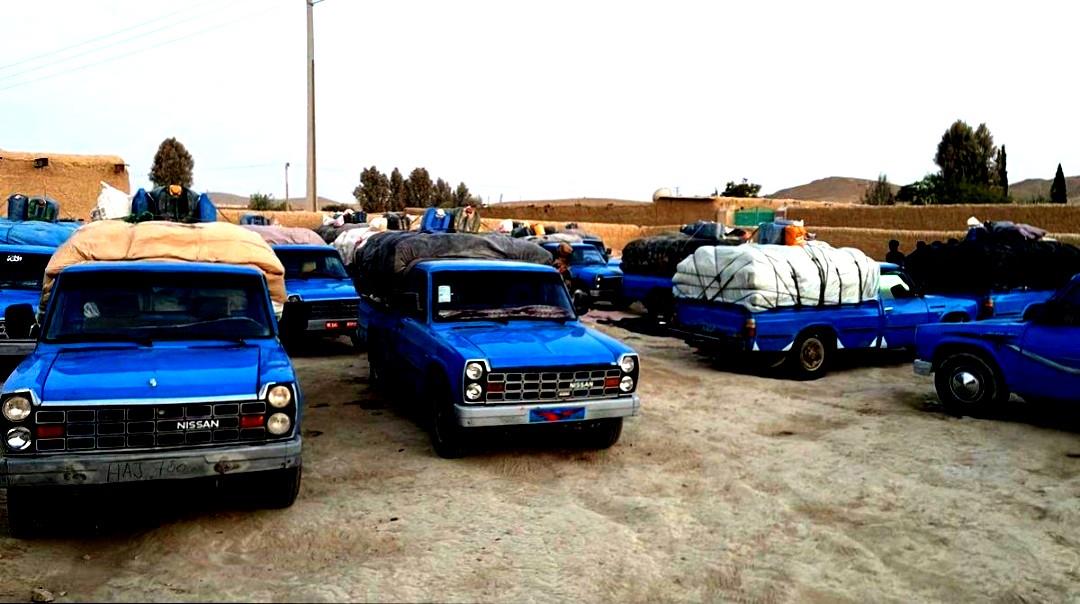
According to available data, before the escalation in tensions, large quantities of petroleum products were transported daily from Iran into Balochistan. In Kech district alone, around 600 vehicles carried 2.4 million litres of petrol every day, while in Chagai, 250 vehicles transported nearly one million litres.
Similarly, in Panjgur, 600 vehicles brought 2.4 million litres daily, while in Washuk, 700 vehicles transported around 2.8 million litres of petrol. Through Gwadar's Kontani border, nearly 2,000 boats delivered 3.22 million litres of petrol to Balochistan each day.
In total, around 11.82 million litres of petrol entered the province daily, much of it through undocumented or informal trade, commonly referred to locally as smuggling.
Also Read: Flour prices surge in KP as mills struggle with costly wheat supply
Experts say that this trade was largely conducted at the local level and depended more on border connections and informal networks than on global banking systems or large corporations.
Border regions of Balochistan have significant dependence on Iran for food, fuel and electricity. Through notified and non-notified crossing points such as Ramzan Gabd and Pishin Mand, trade continued via Zamyad vehicles and boats carrying large quantities of petrol and other goods on a daily basis.
Apart from petroleum products, Balochistan also imported flour, rice, vegetables, fruits and dry fruits from Iran. Household goods including clothes, shoes, utensils and electronics were also brought across the border.
Iranian electricity supply has been a major source of power particularly for Gwadar, Panjgur and Washuk, while milk, water and limited quantities of machinery were also supplied through cross-border trade.
However, following the recent tensions, the situation has changed considerably. The transportation of petroleum products has dropped sharply, with daily supply reduced to nearly half or even less.
The supply of food items, particularly vegetables and fruits, has also been affected, resulting in rising prices. At the same time, disruptions in electricity supply from Iran have worsened load-shedding in several areas. The import of other non-essential goods has almost come to a halt.
A local trader, speaking on condition of anonymity, said:“Our entire livelihood depended on this border trade, but under the current circumstances business has almost stopped, and even meeting daily expenses has become difficult.”
Local residents say Iranian petrol and vegetables were previously available at comparatively cheaper rates, but now shortages have emerged and prices have risen significantly.
Experts warn that the situation could deteriorate further if timely measures are not taken. They say the government should open more notified crossing points, improve border management, promote local industries and provide legal facilities to traders in order to reduce the impact of the crisis.
The border districts of Balochistan have long depended on trade with Iran, but the current tensions have severely disrupted this system.
If immediate policy measures are not introduced, the situation could evolve not only into a major economic crisis but also into a humanitarian crisis, the effects of which may spread beyond Balochistan to other parts of the country.

Legal Disclaimer:
MENAFN provides the
information “as is” without warranty of any kind. We do not accept
any responsibility or liability for the accuracy, content, images,
videos, licenses, completeness, legality, or reliability of the information
contained in this article. If you have any complaints or copyright
issues related to this article, kindly contact the provider above.
Most popular stories
Market Research

More Story




Comments
No comment