



403
Sorry!!
Error! We're sorry, but the page you were looking for doesn't exist.
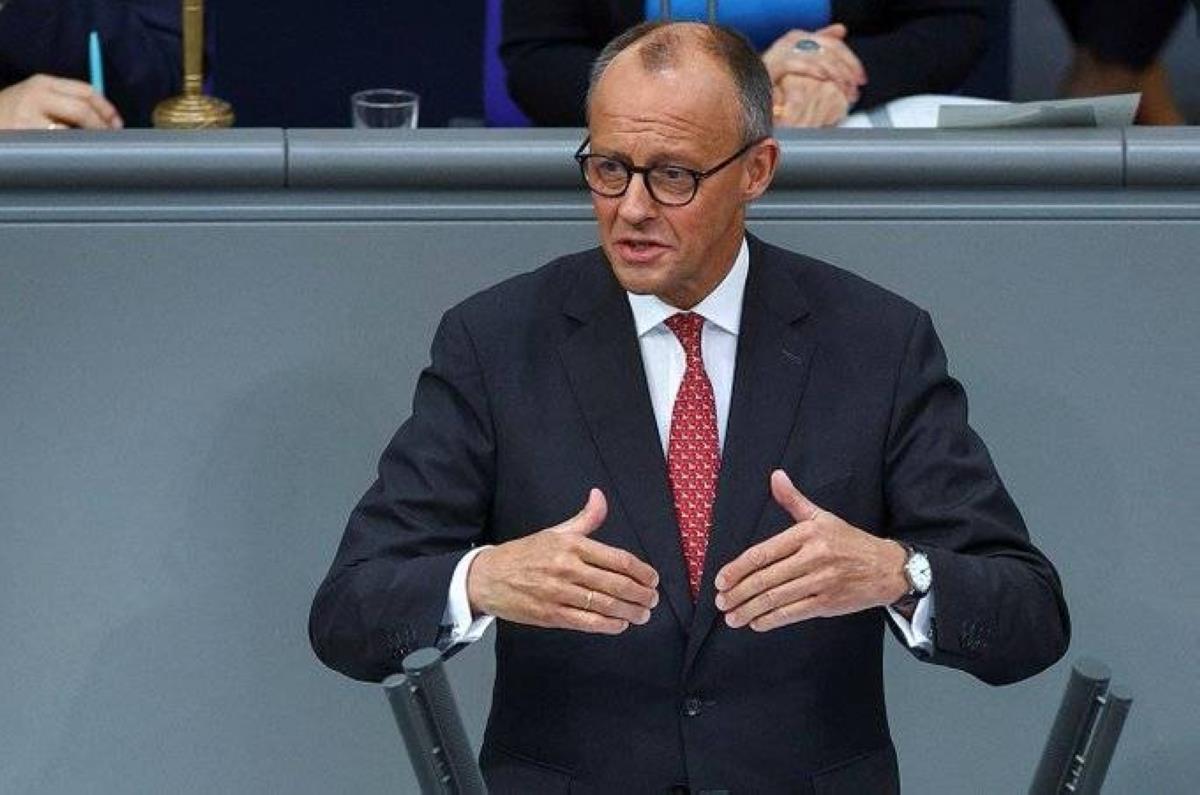
German Chancellor Highlights Economic Damage Of Blockading Strait Of Hormuz
(MENAFN- Gulf Times) German Chancellor Friedrich Merz affirmed that Germany has a fundamental interest in achieving peace in the Middle East, particularly in light of the economic repercussions of the crisis.
In a statement outlining Germany's position on the Middle East crisis, Merz said that the Strait of Hormuz remained a vital maritime route for oil and liquefied natural gas exports, and that its closure by Iran represents one of the central points of conflict and a major obstacle to reaching a diplomatic solution. He stressed that the blockade of the strait was already harming the German economy and that Berlin was making efforts to restore freedom of navigation as quickly as possible.
Merz added that, if the appropriate conditions are met, Germany would be prepared to participate militarily in ensuring the long-term security of maritime routes. He noted that a German naval vessel has already headed to the eastern Mediterranean for pre-positioning in preparation for any potential mission to secure navigation.
He also said that any German participation in an operation to secure the Strait of Hormuz would require three conditions: the end of the war, a legal basis and authorization from the German parliament, and the existence of a comprehensive and sustainable political and military framework. He warned of the dangers posed by Iran targeting Germany's regional partners and of Iran obtaining any nuclear weapons.
Merz emphasized that Iran's military nuclear program must be permanently and definitively halted, arguing that Tehran's negotiating strategy is aimed at buying time and holding the world hostage through the disruption of maritime navigation.

Legal Disclaimer:
MENAFN provides the
information “as is” without warranty of any kind. We do not accept
any responsibility or liability for the accuracy, content, images,
videos, licenses, completeness, legality, or reliability of the information
contained in this article. If you have any complaints or copyright
issues related to this article, kindly contact the provider above.
Most popular stories
Market Research

More Story







Comments
No comment