




403
Sorry!!
Error! We're sorry, but the page you were looking for doesn't exist.
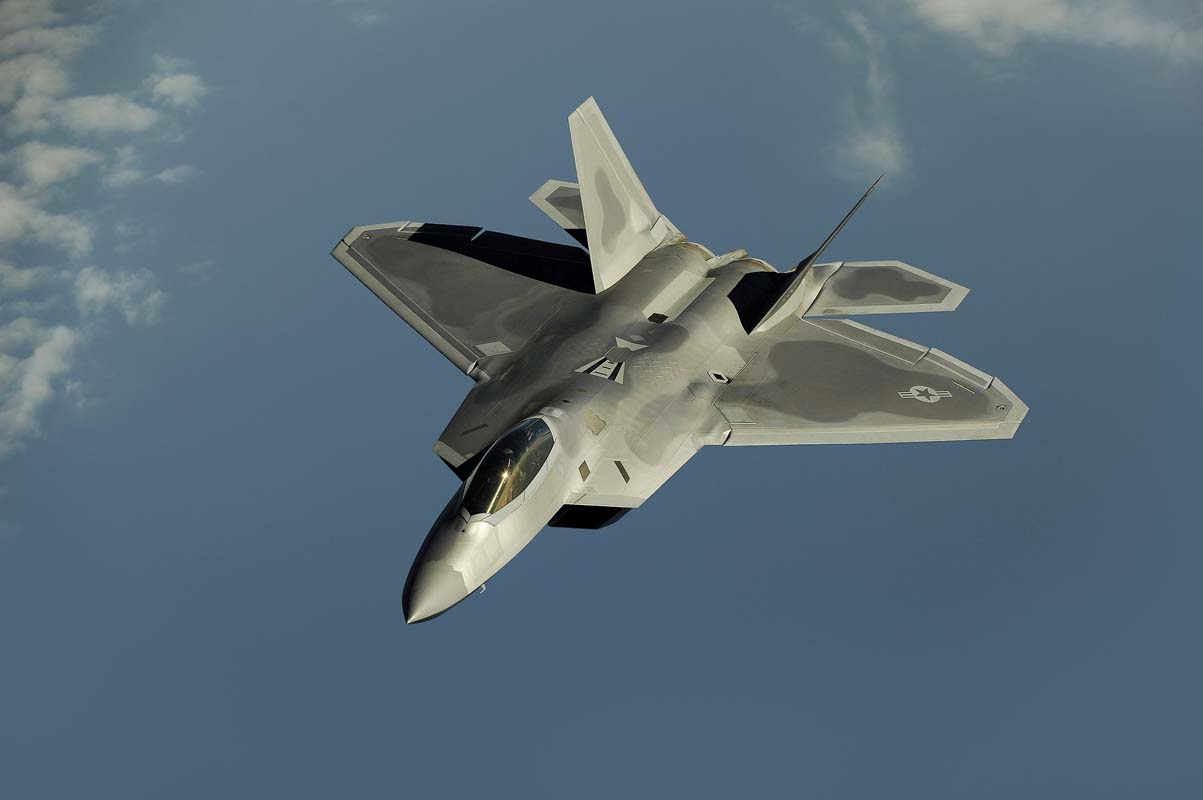
US Military Air Traffic to Middle East Sees Sharp Increase
(MENAFN) U.S. military air traffic over Europe and the Middle East has spiked sharply, with tracking data revealing a significant buildup of transport and aerial refueling assets as tensions between Washington and Tehran show no signs of abating.
An analysis conducted by Anadolu using Flightradar24, a civilian flight-tracking platform, identified an unusual concentration of U.S. military aircraft transiting from Europe toward Middle Eastern destinations on May 2.
The bulk of the aircraft identified were C-17A Globemaster III cargo planes — heavy-lift workhorses capable of hauling approximately 77 tons of cargo and transporting up to 100 personnel per sortie. Also detected in European and Middle Eastern airspace were the Lockheed C-5M Super Galaxy — the largest transport aircraft in the U.S. Air Force, with a payload capacity of roughly 127 tons — and the Boeing KC-46 Pegasus, a next-generation tanker configured for aerial refueling and strategic airlift.
At least 12 transport aircraft were reportedly bound for the Middle East, with several departing from bases in Germany. Boeing KC-135 Stratotanker refueling aircraft were also observed heading toward the region, with at least four operating in airspace around Israel and adjacent areas.
Adding an intelligence dimension to the picture, a Boeing RC-135W Rivet Joint — a signals intelligence (SIGINT) reconnaissance platform — was tracked operating in airspace near Bahrain. A number of additional transport aircraft departing from the continental U.S. were observed in flight with no confirmed destinations disclosed.
The aerial buildup comes against a backdrop of rapidly escalating regional confrontation. U.S. and Israeli forces launched strikes against Iran on Feb. 28, prompting Tehran to retaliate against Israel and U.S. allies across the Gulf, while simultaneously moving to close the Strait of Hormuz. Since April 13, Washington has enforced a naval blockade targeting Iranian maritime traffic through the strategically vital waterway.
A two-week ceasefire brokered through Pakistani mediation was announced April 8, followed by direct negotiations in Islamabad on April 11 — talks that ultimately failed to yield a durable agreement. President Trump subsequently extended the ceasefire without setting a new deadline, acting on a formal request from Pakistan.
An analysis conducted by Anadolu using Flightradar24, a civilian flight-tracking platform, identified an unusual concentration of U.S. military aircraft transiting from Europe toward Middle Eastern destinations on May 2.
The bulk of the aircraft identified were C-17A Globemaster III cargo planes — heavy-lift workhorses capable of hauling approximately 77 tons of cargo and transporting up to 100 personnel per sortie. Also detected in European and Middle Eastern airspace were the Lockheed C-5M Super Galaxy — the largest transport aircraft in the U.S. Air Force, with a payload capacity of roughly 127 tons — and the Boeing KC-46 Pegasus, a next-generation tanker configured for aerial refueling and strategic airlift.
At least 12 transport aircraft were reportedly bound for the Middle East, with several departing from bases in Germany. Boeing KC-135 Stratotanker refueling aircraft were also observed heading toward the region, with at least four operating in airspace around Israel and adjacent areas.
Adding an intelligence dimension to the picture, a Boeing RC-135W Rivet Joint — a signals intelligence (SIGINT) reconnaissance platform — was tracked operating in airspace near Bahrain. A number of additional transport aircraft departing from the continental U.S. were observed in flight with no confirmed destinations disclosed.
The aerial buildup comes against a backdrop of rapidly escalating regional confrontation. U.S. and Israeli forces launched strikes against Iran on Feb. 28, prompting Tehran to retaliate against Israel and U.S. allies across the Gulf, while simultaneously moving to close the Strait of Hormuz. Since April 13, Washington has enforced a naval blockade targeting Iranian maritime traffic through the strategically vital waterway.
A two-week ceasefire brokered through Pakistani mediation was announced April 8, followed by direct negotiations in Islamabad on April 11 — talks that ultimately failed to yield a durable agreement. President Trump subsequently extended the ceasefire without setting a new deadline, acting on a formal request from Pakistan.

Legal Disclaimer:
MENAFN provides the
information “as is” without warranty of any kind. We do not accept
any responsibility or liability for the accuracy, content, images,
videos, licenses, completeness, legality, or reliability of the information
contained in this article. If you have any complaints or copyright
issues related to this article, kindly contact the provider above.
Most popular stories
Market Research

More Story








Comments
No comment