




403
Sorry!!
Error! We're sorry, but the page you were looking for doesn't exist.
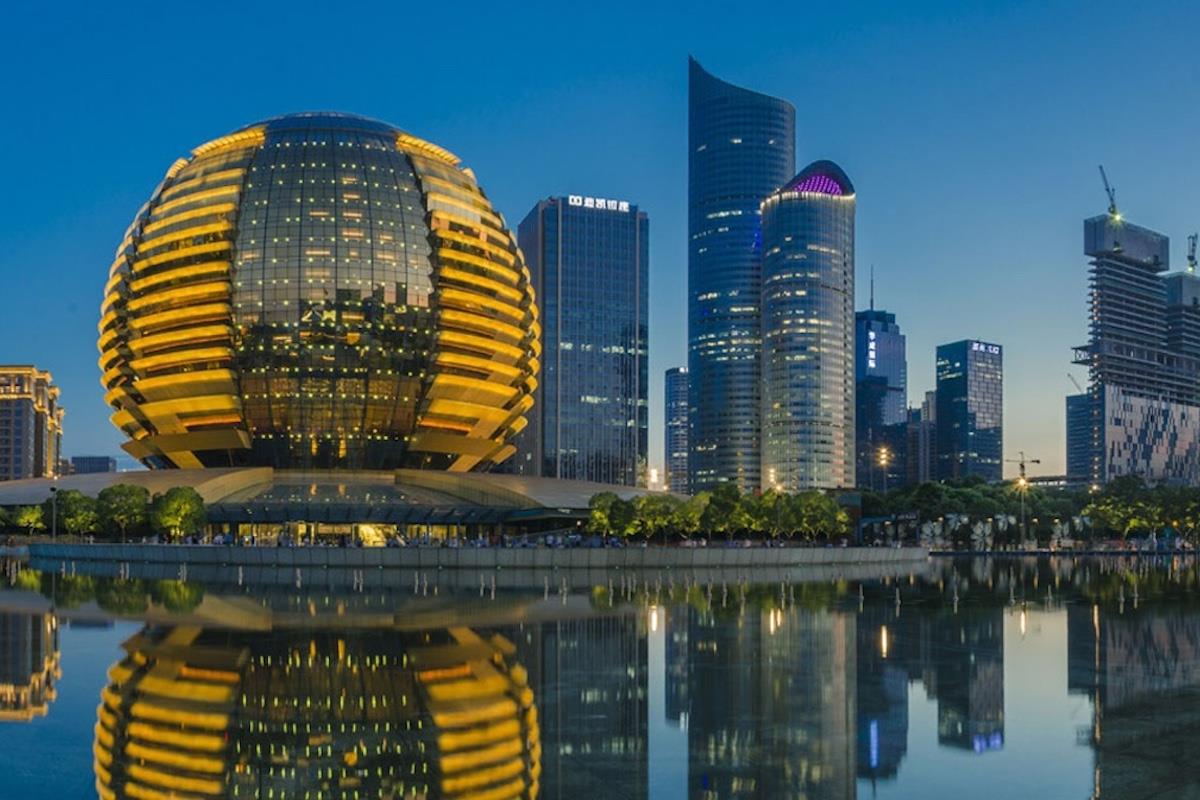
Geocultural Forces Reshaping China's Economic Map
(MENAFN- Asia Times)
On April 1, the National Bureau of Statistics of China released the latest GDP rankings for the country's various provinces and municipalities. The data showed consistent growth across major metropolises, but also revealed a significant geographic shift in the Chinese economy.
The data ranked Jiangsu and Zhejiang first and third, respectively, among Chinese provinces by GDP per capita, while Guangdong ranked fourth. Yet 20 years ago, Guangdong held an undisputed first place, with Zhejiang and Jiangsu a distant third and fourth.
The shift is even more apparent at the city level. In 2005, nine cities from Guangdong appeared in the top 25 by GDP per capita, compared with five from Jiangsu and two from Zhejiang.
Twenty years later, only three Guangdong cities remain in that group, while Jiangsu and Zhejiang have grown to seven and four, respectively.
To be sure, all three provinces remain among the most developed regions in China. Since the late 1970s, China's economic reforms have relied heavily on manufacturing and export-led growth, fueling a regional inequality that persists today and favors its eastern seaboard.
Guangdong pioneered this model, with Shenzhen (ranked No. 1 in 2005, No. 6 in 2025) and Zhuhai (No. 3 in 2005, No. 16 in 2025) leveraging their proximity to Hong Kong and Macao, respectively, to become successful special economic zones.

Legal Disclaimer:
MENAFN provides the
information “as is” without warranty of any kind. We do not accept
any responsibility or liability for the accuracy, content, images,
videos, licenses, completeness, legality, or reliability of the information
contained in this article. If you have any complaints or copyright
issues related to this article, kindly contact the provider above.
Most popular stories
Market Research

More Story






Comments
No comment