




403
Sorry!!
Error! We're sorry, but the page you were looking for doesn't exist.
Big-Ticket Repairs Insurance Rarely Covers-But You'll Probably Need
(MENAFN- Everybody Loves Your Money) Image Source: Unsplash
A house can look rock-solid on the outside while quietly lining up its next expensive surprise behind the walls. Insurance promises protection, security, and peace of mind, but it doesn't sign up to cover everything that can go wrong. That gap between expectation and reality catches people off guard, especially when a repair bill lands with a thud and zero backup from a policy. A lot of the biggest, ugliest home expenses sit just outside the safety net, waiting for the worst possible moment to show up. Knowing where those gaps live can turn panic into preparation and help keep a budget from spiraling out of control.
Plenty of homeowners assume insurance handles the heavy lifting when something major breaks, but policies focus on sudden and accidental damage, not wear, tear, or long-term neglect. That distinction matters more than it sounds, because many of the most expensive repairs fall squarely into the“not covered” category. Pipes age, roofs wear down, and foundations shift whether anyone likes it or not. Insurance companies don't step in for those slow-building issues, and that leaves homeowners holding the bill.
The Slow Grind: Wear and Tear Isn't Insurance's ProblemInsurance companies draw a bright line between sudden damage and gradual deterioration, and that line blocks coverage for a huge chunk of real-world repairs. A roof doesn't fail overnight in most cases, and neither does a plumbing system or an HVAC unit. These systems age, weaken, and eventually give out after years of use. When that happens, insurance providers point to normal wear and tear and step back from the cost. That reality surprises a lot of homeowners who expect coverage for anything expensive, but policies don't work that way.
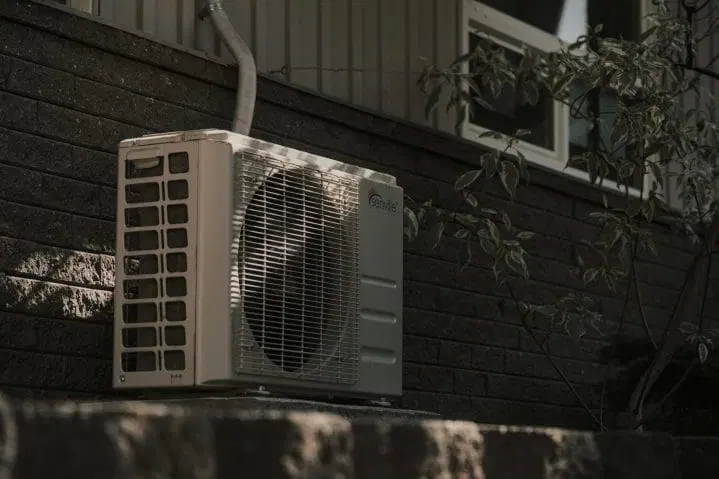
Roofs rank high on the list of costly non-covered repairs because they take constant exposure from sun, rain, and wind. Once shingles start curling or flashing begins to fail due to age, insurance companies see a maintenance issue, not a claim. The same logic applies to older plumbing systems that corrode over time or air conditioning units that finally quit after years of heavy use. These repairs can run into the thousands, and they don't trigger payouts because they lack that sudden, accidental cause.
Smart homeowners stay ahead of this by treating maintenance like a monthly bill instead of an afterthought. Setting aside money specifically for long-term upkeep can soften the blow when these systems need replacement. Regular inspections also help catch problems early, which can stretch the lifespan of expensive components. It may not feel exciting to plan for a future repair, but that planning keeps a major expense from turning into a crisis.
Water Trouble That Builds Quietly-and Costs LoudlyWater damage grabs headlines when pipes burst, but slow leaks often create bigger financial pain over time. Insurance policies typically cover sudden pipe bursts, yet they draw the line at ongoing leaks that develop gradually. A small drip behind a wall can lead to mold, rot, and structural damage if it goes unnoticed for too long. By the time someone spots the problem, the repair bill can feel overwhelming, and the insurance company often refuses to step in.
Mold remediation stands out as one of the most expensive outcomes of long-term moisture issues. Many policies limit or exclude mold coverage unless it results directly from a covered event. That means a slow leak that leads to mold growth often leaves the homeowner responsible for cleanup costs. Those costs can climb quickly, especially when mold spreads through drywall, insulation, and flooring.
Staying proactive makes a huge difference here. Checking under sinks, inspecting basements, and paying attention to changes in water pressure can help catch leaks early. Installing water leak detectors adds another layer of protection and can alert homeowners before damage gets out of hand. A little vigilance can save thousands, especially when insurance won't step in to help.
The Ground Beneath Your Feet Isn't Covered EitherFoundation problems don't just look intimidating-they carry serious price tags and limited insurance support. Cracks, settling, and shifting often result from soil movement, poor drainage, or natural settling over time. Insurance companies classify these issues as maintenance or environmental factors, not sudden damage, which means they rarely provide coverage. Fixing a foundation can cost tens of thousands of dollars, depending on the severity of the problem.
Soil expansion and contraction play a major role in foundation damage, especially in areas with clay-heavy soil. When moisture levels change, the ground shifts and puts pressure on the structure above. That slow, powerful movement can cause cracks in walls, uneven floors, and doors that refuse to close properly. Insurance policies typically exclude this type of damage, leaving homeowners to handle repairs on their own.
Prevention offers the best defense in this situation. Proper drainage around the home, consistent watering of the soil in dry conditions, and routine inspections can help reduce the risk of serious foundation issues. Catching small cracks early can also prevent larger structural problems later. Ignoring early warning signs can turn a manageable fix into a massive expense.
Image Source: Unsplash
Sewer Lines and Backup Chaos No One WantsFew home issues feel as unpleasant-or as expensive-as sewer line problems. Tree roots, aging pipes, and ground movement can all damage sewer lines over time. When those lines clog or break, the result can include backups that create serious health hazards and require extensive cleanup. Standard homeowners insurance policies usually don't cover sewer line repairs unless a specific endorsement or add-on exists.
Repairing or replacing a sewer line can involve digging up part of the yard, which adds labor and restoration costs to the bill. That work doesn't come cheap, and it often arrives without warning. Even worse, the cleanup from a sewage backup can require professional sanitation services, which adds another layer of expense.
Adding a sewer backup endorsement to an insurance policy can provide valuable protection in this area. Regular inspections, especially in older homes, can also help identify potential issues before they escalate. Keeping trees and large shrubs away from sewer lines reduces the risk of root intrusion. These steps don't eliminate risk completely, but they can reduce the chance of a costly surprise.
The Outdoor Hits: Fences, Pools, and Landscaping LossesInsurance policies tend to offer limited coverage for outdoor features, and that can lead to frustration when damage occurs. Fences, sheds, landscaping, and pools often fall under“other structures” or special limits within a policy. Those limits may not come close to covering the actual cost of repair or replacement. Certain causes of damage, like wear and tear or poor maintenance, don't qualify for coverage at all.
Landscaping losses can feel especially frustrating because they take years to grow and shape. Insurance policies usually provide minimal coverage for trees and plants, and they often exclude damage from disease, pests, or lack of maintenance. That means a homeowner may need to replace expensive landscaping out of pocket.
Taking inventory of outdoor features and reviewing policy limits can help avoid surprises. Upgrading coverage or adding endorsements may make sense for high-value features like pools or custom landscaping. Regular maintenance also plays a key role in preventing damage that insurance won't cover. Keeping outdoor spaces in good condition protects both the home's value and the wallet.
Aging Systems That Quit Without WarningBig-ticket systems like electrical wiring, water heaters, and HVAC units don't last forever, and insurance doesn't cover their natural lifespan. When these systems fail due to age, homeowners face the full cost of replacement. Electrical upgrades, in particular, can get expensive quickly, especially in older homes that require rewiring to meet current safety standards.
Water heaters often fail without much warning, and replacement costs can add up depending on the type and installation requirements. HVAC systems follow a similar pattern, with repair or replacement costs climbing into the thousands. Insurance policies step in only when a covered event causes the damage, not when the system simply reaches the end of its life.
Planning ahead makes these costs more manageable. Setting up a home maintenance fund and tracking the age of major systems can help anticipate future expenses. Replacing aging systems before they fail can also prevent additional damage and stress. Waiting until something breaks often leads to higher costs and fewer options.
Know the Gaps Before They Cost YouInsurance provides an important safety net, but it doesn't catch everything, and that reality demands attention. The biggest repair costs often come from gradual damage, aging systems, or issues tied to the environment around the home. Understanding those gaps allows homeowners to prepare instead of react, which can make a huge difference when expenses start piling up.
What repair caught you off guard, or which one feels like the biggest risk right now? Share your thoughts, strategies, or even a horror story in the comments.

Legal Disclaimer:
MENAFN provides the
information “as is” without warranty of any kind. We do not accept
any responsibility or liability for the accuracy, content, images,
videos, licenses, completeness, legality, or reliability of the information
contained in this article. If you have any complaints or copyright
issues related to this article, kindly contact the provider above.
Most popular stories
Market Research

More Story







Comments
No comment