




403
Sorry!!
Error! We're sorry, but the page you were looking for doesn't exist.
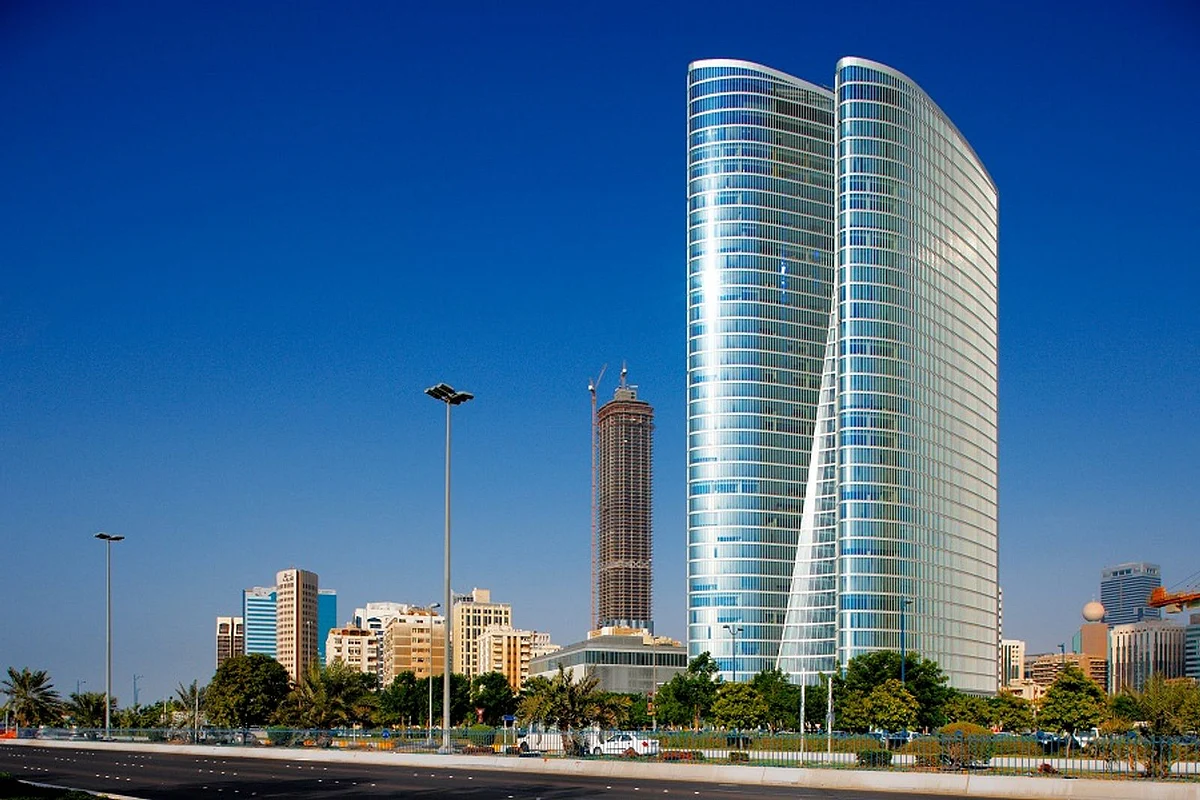
Sovereign Wealth Buffers Shield GCC As Markets Brace For Prolonged Volatility
(MENAFN- Khaleej Times) Gulf economies are entering a period of global uncertainty from a position of exceptional financial strength, supported by vast sovereign wealth assets and foreign exchange reserves that continue to anchor macroeconomic stability and investor confidence, according to the latest market outlook from Standard Chartered.
The bank said the GCC's large sovereign balance sheets provide a powerful cushion against geopolitical risks, energy price swings and tighter global financial conditions, allowing governments across the region to sustain growth momentum even as volatility persists in global markets.
Recommended For You Iran accepts Pakistan's two-week ceasefire proposalWhile tensions around energy supply routes such as the Strait of Hormuz remain a key risk factor, global economic activity has so far held steady, supported by resilient US demand and improving growth prospects across parts of Asia.
“The GCC entered this period from a position of strength, supported by large sovereign balance sheets,” the report said, noting that sovereign wealth assets and reserves continue to act as a critical buffer against both domestic and external shocks.
Regional resilience has been reinforced by the scale and strategic deployment of sovereign wealth capital. According to Global SWF estimates, Abu Dhabi alone manages roughly $1.7 trillion across its major investment institutions, including Abu Dhabi Investment Authority, Mubadala Investment Company and ADQ, making the emirate the world's largest sovereign capital hub.
Across the wider Gulf, Saudi Arabia's sovereign assets - led by the Public Investment Fund - alongside Qatar's Qatar Investment Authority and Kuwait's Kuwait Investment Authority further strengthen the region's financial firepower, giving policymakers flexibility to support domestic investment programmes while maintaining fiscal stability during external shocks.
The International Monetary Fund has repeatedly highlighted that strong fiscal buffers and external surpluses across hydrocarbon exporters in the Gulf remain central to sustaining growth during periods of geopolitical stress and energy-market disruption. Similarly, S&P Global Ratings has said GCC sovereign balance sheets are among the strongest globally, supported by low debt levels and substantial external assets.
Against this backdrop, Ayesha Abbas, managing director and head of Affluent and Wealth Solutions, Europe, Middle East and Africa, and UAE at Standard Chartered, said investors should remain disciplined and diversified as markets navigate heightened uncertainty.
“Periods such as these reinforce the importance of diversification, focusing on quality assets, and maintaining a long-term perspective,” Abbas said.“Investors who remain disciplined and well positioned are better placed to navigate volatility and capture opportunities as they emerge.”
Higher energy prices have contributed to persistent inflation pressures in Europe and parts of the global economy, prompting central banks to maintain cautious policy stances. However, the GCC's relatively moderate inflation environment and strong fiscal capacity continue to support domestic demand and investment pipelines.
Economists note that sovereign wealth funds across the Gulf are increasingly playing a counter-cyclical role, stepping up investments in infrastructure, advanced manufacturing, technology and energy transition sectors to sustain growth even during external turbulence. According to the International Forum of Sovereign Wealth Funds, leading sovereign investors are evolving beyond traditional portfolio allocation roles to become long-term stabilisers of national economic strategy.
Standard Chartered said investors should use current volatility to strengthen diversified portfolios, particularly by locking in attractive yields in high-quality bonds and maintaining exposure to inflation hedges such as gold and inflation-linked securities.
The bank also identified Asia - especially India and China - as offering potential upside opportunities if global conditions stabilise, while structural factors could gradually weaken the US dollar over the longer term.
Despite near-term geopolitical risks, historical trends suggest that periods of elevated volatility are often followed by strong recoveries. With sovereign reserves across the GCC among the largest globally relative to economic size, policymakers retain ample room to sustain investment spending, stabilise markets and support long-term diversification strategies.
Analysts expect such a combination of fiscal strength, sovereign capital depth and reform-driven economic transformation to keep the Gulf region among the most resilient emerging-market blocs as global investors continue to navigate an increasingly complex macroeconomic landscape.

Legal Disclaimer:
MENAFN provides the
information “as is” without warranty of any kind. We do not accept
any responsibility or liability for the accuracy, content, images,
videos, licenses, completeness, legality, or reliability of the information
contained in this article. If you have any complaints or copyright
issues related to this article, kindly contact the provider above.
Most popular stories
Market Research

More Story




Comments
No comment