




403
Sorry!!
Error! We're sorry, but the page you were looking for doesn't exist.
Why We Think Polish Rates Will Remain Unchanged Until Year-End
(MENAFN- ING)
Interest rates unchanged, and a neutral tone for the NBP press release
As expected, the Monetary Policy Council (MPC) left the National Bank of Poland's (NBP) interest rates unchanged, with the reference rate remaining at 3.75%. The press release following the April MPC meeting was very brief and neutral in its tone. It highlights that, as a result of supply constraints caused by the conflict in the Middle East, fuel prices have risen globally. On the domestic front, there were no changes in the annual wage growth in February compared to January.
As for future decisions by the Council, these will depend on changes in commodity prices and the geopolitical situation, with fiscal policy and regulations concerning fuel prices, as well as changes in GDP and wage dynamics, posing risk factors.
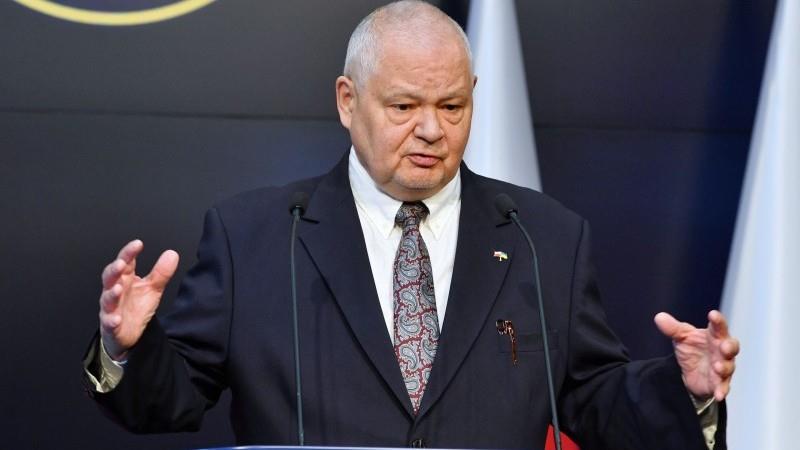
Governor Glapiński believes there is no threat of a sharp rise in inflationDuring the press conference, NBP Governor Adam Glapiński highlighted that the current external shock is of a different nature from what we saw previously, and does not threaten as strong an increase in inflation as following the outbreak of war in Ukraine in 2022. We have flagged that since the beginning of the war. The arguments are as follows:
-
The rise in energy commodity prices is lower in magnitude than in the previous shock. The scale of the increase in gas prices is moderate, small for coal prices, and electricity prices remain stable in Poland.
The domestic demand is weaker than in 2022-2023, when the post-pandemic reopening brought a rebound of pent-up demand.
Prices of agricultural commodities are lower than a year ago, as opposed to when Russia invaded Ukraine and food prices rose.
Supply chain disruptions concern only fuels, while the disinflationary effect of cheap imports from China persists.
The labour market situation is less tight (slower wage growth) than it was previously.
Interest rates are higher than at the start of the previous shock, when they were close to 0% and central banks were conducting QE programs.
Currencies in the region and the zloty have not weakened, as seen during the previous shock in 2022 after Russia's invasion of Ukraine.
According to the NBP governor, in the coming months, inflation will depend on prices of energy commodities (oil, natural gas) and domestic regulatory and tax decisions (excise duty and VAT on fuels), which are aimed at soothing the shock. The MPC will also focus on the pass-through of higher fuel prices into prices of other goods.
An important part of the Governor's statement, highlighting the neutral stance of the MPC, is that the energy shock bears two‐sided risks: it boosts inflation, but at the same time poses downside risks to GDP growth, which may have a disinflationary effect.
SummaryAfter the delivery of a 25bp NBP rate cut in March (and despite the outbreak of conflict in the Middle East), the MPC has adopted a more neutral stance and a wait-and-see approach in April. The Council's attention will now focus on incoming data and assessing the impact of the geopolitical and commodity situation on inflation prospects and economic activity. Rate hikes are off the agenda under the current circumstances.
Despite announcements of a ceasefire and peace talks between the US and Iran earlier this week, the Strait of Hormuz remains blocked – although it seems the peak of the crisis could potentially be behind us. This does not, of course, mean a rapid fall in oil and gas prices, especially given the destruction of petrochemical and gas infrastructure in the region; however, the most pessimistic scenarios are currently less likely.
Our baseline scenario assumes that the Lower Fuel Prices programme (CPN) will be maintained until the end of July this year, and average annual inflation will amount to 3.2%, compared to a roughly 2% estimate before the outbreak of war in the Persian Gulf and 2.3% in the NBP's March projection. This will allow the MPC to keep interest rates unchanged at least until the end of 2026, and we assess the probability of rate hikes as low.

Legal Disclaimer:
MENAFN provides the
information “as is” without warranty of any kind. We do not accept
any responsibility or liability for the accuracy, content, images,
videos, licenses, completeness, legality, or reliability of the information
contained in this article. If you have any complaints or copyright
issues related to this article, kindly contact the provider above.
Most popular stories
Market Research

More Story


Comments
No comment