




403
Sorry!!
Error! We're sorry, but the page you were looking for doesn't exist.
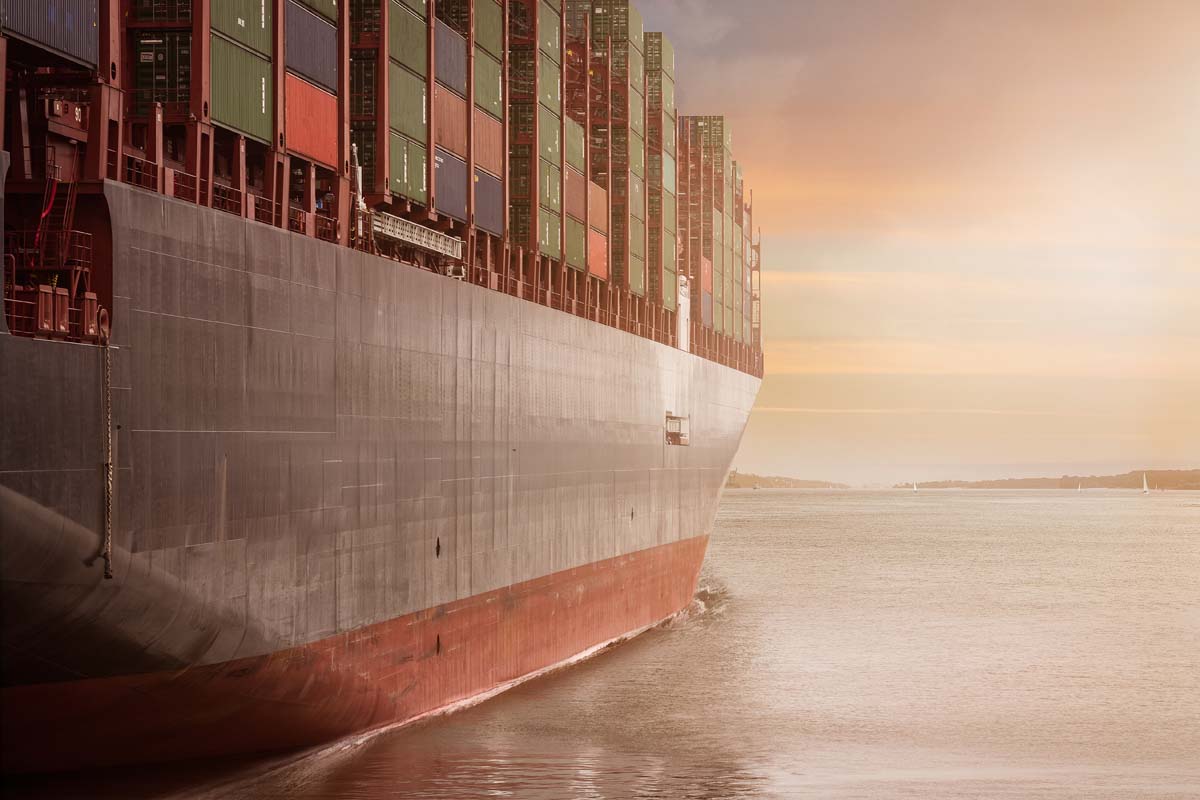
Shippers Still Seek Alternative Routes to Hormuz
(MENAFN) Hundreds of vessels trapped in the Strait of Hormuz have begun moving following the US-Iran ceasefire, yet the global logistics industry is pressing ahead with its search for permanent alternative routes — with experts warning a full return to normalcy remains distant.
The two-week truce, which also encompasses Israel, has already shown signs of strain, with both parties taking actions that risk undermining the agreement. Tensions in the region escalated further after Israel struck Lebanon — even before US and Iranian officials convened to negotiate a lasting peace. Iran has since reportedly reimposed passage restrictions in the strait, bringing shipments to a standstill once again.
Rico Luman, senior transport and logistics economist at ING Group, told Anadolu that while the ceasefire has relieved some pressure on energy markets — pushing oil and petroleum prices lower — pre-war price levels will not be restored overnight.
Luman noted that lifting the blockade has allowed vessels stranded in the Persian Gulf for five weeks to finally depart — a development welcomed by seafarers and associated firms alike. However, he cautioned that supply chain fluctuations are inevitable as operations resume, with weeks required before all ships clear the region and conditions stabilize.
He stressed that the strait remains Iran's primary bargaining chip in permanent deal negotiations, a dynamic he believes could produce more restrictive conditions down the line. Logistics firms, he added, have already established overland alternatives and are expected to maintain them while closely monitoring the situation — remaining reluctant to fully resume Hormuz transits.
Luman identified potential beneficiaries in land-based corridors running through Oman, Saudi Arabia, and Türkiye, while projecting that the energy sector will lean more heavily on pipeline infrastructure — and potentially expand existing pipelines — as stakeholders work to build greater supply chain resilience through route diversification.
Bilgehan Engin, president of Türkiye-based International Forwarding and Logistics Association (UTIKAD), told media that while the ceasefire has generated cautious optimism around a gradual normalization in the strait, it is premature to declare that safe passage has been fully restored. Major shippers, he said, view the truce as a potential transit window rather than a green light — maritime security has not yet been guaranteed.
Engin acknowledged that freight rates and insurance premiums are expected to ease in the near term following their dramatic spike at the height of the crisis, but emphasized the relief will be limited.
"The cease-fire created some downward pressure on costs in the short term, but the market's cautious stance and operational prudence will continue," he said.
"The temporary cease-fire has led some logistics firms to treat the situation as a window of opportunity rather than a return to normal, focusing on clearing accumulated cargo, accelerating delayed shipments and rebalancing contracts," Engin said.
"Recent developments showed the Strait of Hormuz has become a geopolitically controlled corridor, so the search for alternatives has become more of a permanent strategy," he added.
Engin said companies are increasingly reducing dependence on any single route, pivoting toward multimodal transport solutions and diversifying their financial risk protection instruments.
"The global logistics sector will continue to operate with a more flexible structure, using multiple routes and focusing on risk in the coming period. We hope the cease-fire will become lasting, strengthen trust and dialogue, and allow trade to return to previous levels," he added.
The two-week truce, which also encompasses Israel, has already shown signs of strain, with both parties taking actions that risk undermining the agreement. Tensions in the region escalated further after Israel struck Lebanon — even before US and Iranian officials convened to negotiate a lasting peace. Iran has since reportedly reimposed passage restrictions in the strait, bringing shipments to a standstill once again.
Rico Luman, senior transport and logistics economist at ING Group, told Anadolu that while the ceasefire has relieved some pressure on energy markets — pushing oil and petroleum prices lower — pre-war price levels will not be restored overnight.
Luman noted that lifting the blockade has allowed vessels stranded in the Persian Gulf for five weeks to finally depart — a development welcomed by seafarers and associated firms alike. However, he cautioned that supply chain fluctuations are inevitable as operations resume, with weeks required before all ships clear the region and conditions stabilize.
He stressed that the strait remains Iran's primary bargaining chip in permanent deal negotiations, a dynamic he believes could produce more restrictive conditions down the line. Logistics firms, he added, have already established overland alternatives and are expected to maintain them while closely monitoring the situation — remaining reluctant to fully resume Hormuz transits.
Luman identified potential beneficiaries in land-based corridors running through Oman, Saudi Arabia, and Türkiye, while projecting that the energy sector will lean more heavily on pipeline infrastructure — and potentially expand existing pipelines — as stakeholders work to build greater supply chain resilience through route diversification.
Bilgehan Engin, president of Türkiye-based International Forwarding and Logistics Association (UTIKAD), told media that while the ceasefire has generated cautious optimism around a gradual normalization in the strait, it is premature to declare that safe passage has been fully restored. Major shippers, he said, view the truce as a potential transit window rather than a green light — maritime security has not yet been guaranteed.
Engin acknowledged that freight rates and insurance premiums are expected to ease in the near term following their dramatic spike at the height of the crisis, but emphasized the relief will be limited.
"The cease-fire created some downward pressure on costs in the short term, but the market's cautious stance and operational prudence will continue," he said.
"The temporary cease-fire has led some logistics firms to treat the situation as a window of opportunity rather than a return to normal, focusing on clearing accumulated cargo, accelerating delayed shipments and rebalancing contracts," Engin said.
"Recent developments showed the Strait of Hormuz has become a geopolitically controlled corridor, so the search for alternatives has become more of a permanent strategy," he added.
Engin said companies are increasingly reducing dependence on any single route, pivoting toward multimodal transport solutions and diversifying their financial risk protection instruments.
"The global logistics sector will continue to operate with a more flexible structure, using multiple routes and focusing on risk in the coming period. We hope the cease-fire will become lasting, strengthen trust and dialogue, and allow trade to return to previous levels," he added.

Legal Disclaimer:
MENAFN provides the
information “as is” without warranty of any kind. We do not accept
any responsibility or liability for the accuracy, content, images,
videos, licenses, completeness, legality, or reliability of the information
contained in this article. If you have any complaints or copyright
issues related to this article, kindly contact the provider above.
Most popular stories
Market Research

More Story






Comments
No comment