




403
Sorry!!
Error! We're sorry, but the page you were looking for doesn't exist.
Israel Strikes Kill 250 In Lebanon's Deadliest Day, Ceasefire On Brink
(MENAFN- AsiaNet News)
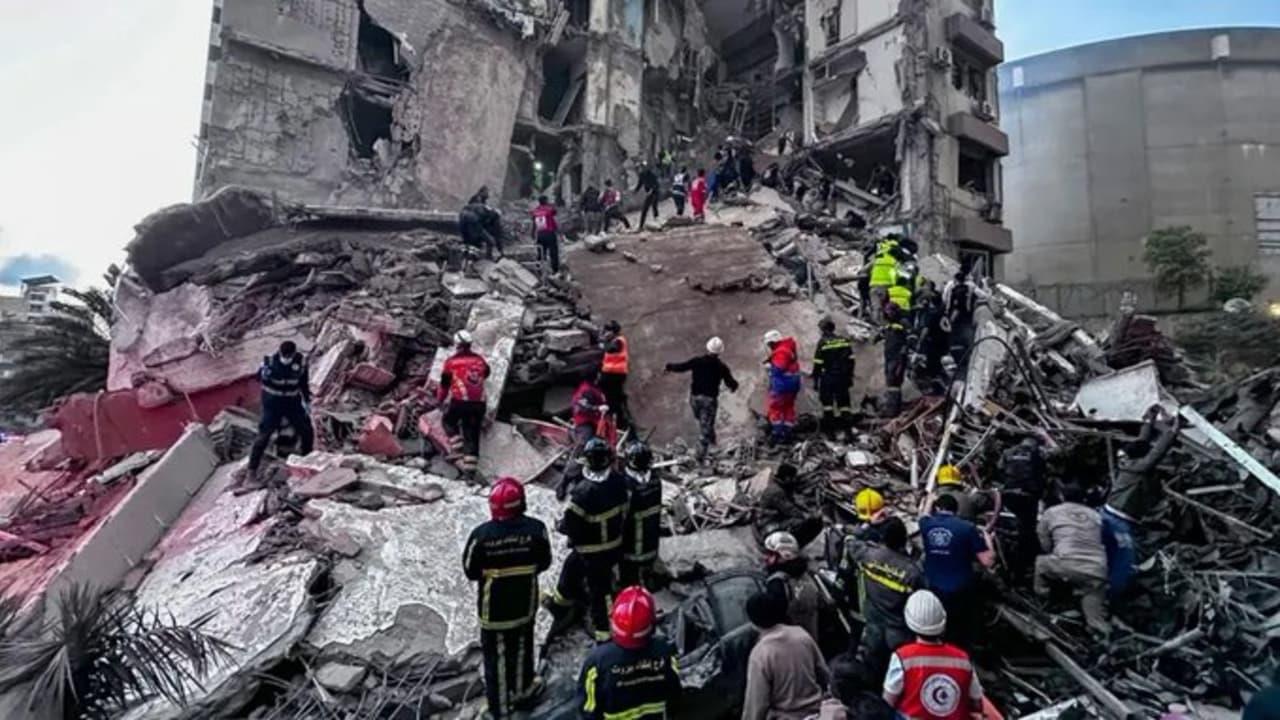
Israel launched its most intense wave of airstrikes on Lebanon since the conflict began, killing more than 250 people in what is being described as the deadliest day of the war so far. The strikes targeted multiple areas, including Beirut, the Bekaa Valley, and southern Lebanon, and came despite a fragile ceasefire linked to broader regional tensions. The escalation has raised serious doubts about whether the truce can hold.
According to Lebanese health authorities, over 250 people were killed and more than 1,100 injured in the attacks. Hospitals struggled to cope with the influx of casualties as densely populated areas were hit. The scale of destruction has worsened the humanitarian crisis, with many civilians caught in the crossfire and thousands forced to flee their homes.
Israel defended the strikes, stating that they were aimed at Hezbollah positions and infrastructure. Israeli officials maintained that the ceasefire agreement does not apply to operations in Lebanon, arguing that their campaign against Hezbollah continues independently. Officials reiterated that the“battle in Lebanon continues,” signalling no immediate halt to military actions in the region.
Reports indicate that Israeli forces struck over 100 targets within a short span of time, making it one of the most coordinated and rapid offensives in recent months. Entire neighbourhoods were heavily damaged, with both residential and commercial areas affected. The speed and intensity of the strikes have drawn widespread international concern.
Also Read: Iran Shuts Strait of Hormuz Again After Israel Strikes Lebanon With 100 Missiles In 10 Minutes
Lebanon and Iran have strongly condemned the attacks, calling them violations of sovereignty and international law. Several global leaders and humanitarian organisations have also expressed alarm at the rising death toll and the impact on civilians. Aid agencies warn that the situation could deteriorate further if the violence continues at this scale.
A key issue remains the differing interpretations of the ceasefire. While the United States and Israel insist that the truce applies only to direct hostilities involving Iran, Iran and some other countries argue that it should extend to Lebanon as well. This disagreement has created uncertainty and heightened tensions, with fears that the ceasefire could collapse entirely.
Hezbollah has responded by launching rockets into northern Israel, indicating the risk of further escalation. Iran has also signalled that continued strikes could affect its commitment to the ceasefire, adding to concerns about a wider regional conflict.
With violence intensifying and diplomatic efforts under strain, the situation remains highly volatile. The latest strikes highlight how fragile the ceasefire is and how quickly the region could slide back into a broader and more destructive war.
Also Read: US to Send JD Vance to Pakistan for First Iran Talks on April 11

Legal Disclaimer:
MENAFN provides the
information “as is” without warranty of any kind. We do not accept
any responsibility or liability for the accuracy, content, images,
videos, licenses, completeness, legality, or reliability of the information
contained in this article. If you have any complaints or copyright
issues related to this article, kindly contact the provider above.
Most popular stories
Market Research

More Story




Comments
No comment