




403
Sorry!!
Error! We're sorry, but the page you were looking for doesn't exist.
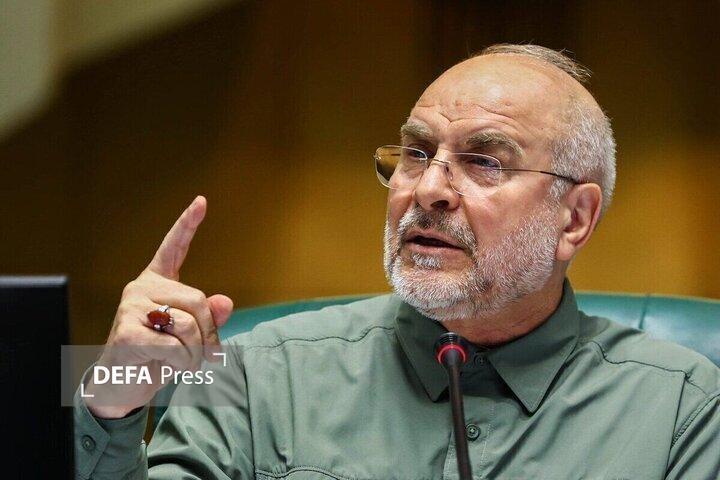
Iran's Ghalibaf Says U.S. Breaches Make Talks 'Unreasonable'
(MENAFN- Khaama Press) Iran's parliament speaker, Mohammad Bagher Ghalibaf, said on Wednesday that talks or a bilateral ceasefire with the United States would be“unreasonable,” accusing Washington of violating key parts of a proposed framework even before formal negotiations begin.
His remarks underscored how fragile the current diplomatic opening remains despite a temporary ceasefire and reported preparations for talks.
In a statement posted on X, Ghalibaf said three core elements of what he described as a pre-agreed framework had already been breached. He cited continued Israeli attacks in Lebanon, the reported entry of a drone into Iranian airspace, and Washington's refusal to recognize Iran's right to enrich uranium as evidence that Tehran's long-standing distrust of the United States remains justified.
The White House quickly pushed back. Press secretary Karoline Leavitt said suggestions that President Donald Trump had accepted Iran's list of demands were“completely baseless” and insisted that Trump's red line had not changed: Iran must end uranium enrichment at home. She said the administration would only accept a deal that serves U.S. interests and keeps the Strait of Hormuz open without delays or restrictions.
That public clash highlights the core dispute before any formal bargaining starts. Iran is signaling that it wants guarantees on ceasefire enforcement and regional de-escalation, while the United States is making clear it will not compromise on enrichment - a central issue that has derailed past diplomacy and remains politically toxic on both sides.
The tension has also spilled into the Gulf. Shipping companies said they were still seeking clarity over transit through the Strait of Hormuz after the ceasefire announcement, and uncertainty around maritime access has become one of the most immediate tests of whether the truce can hold. Any renewed disruption there would quickly raise the diplomatic and economic cost of failure.
The broader backdrop remains volatile. Israel has publicly said the U.S.-Iran ceasefire does not apply to Lebanon, while Iran has warned that continued attacks there could undermine the entire process. That dispute has strengthened Tehran's argument that Washington either cannot or will not enforce the terms Iran believes were understood before talks.
For now, both sides are still talking about negotiations, but their public positions suggest the gap remains wide. Ghalibaf's remarks make clear that Iran is entering any next phase of diplomacy from a position of distrust, while Washington is signaling it wants a tougher, narrower agreement on its own terms.

Legal Disclaimer:
MENAFN provides the
information “as is” without warranty of any kind. We do not accept
any responsibility or liability for the accuracy, content, images,
videos, licenses, completeness, legality, or reliability of the information
contained in this article. If you have any complaints or copyright
issues related to this article, kindly contact the provider above.
Most popular stories
Market Research

More Story







Comments
No comment