




403
Sorry!!
Error! We're sorry, but the page you were looking for doesn't exist.
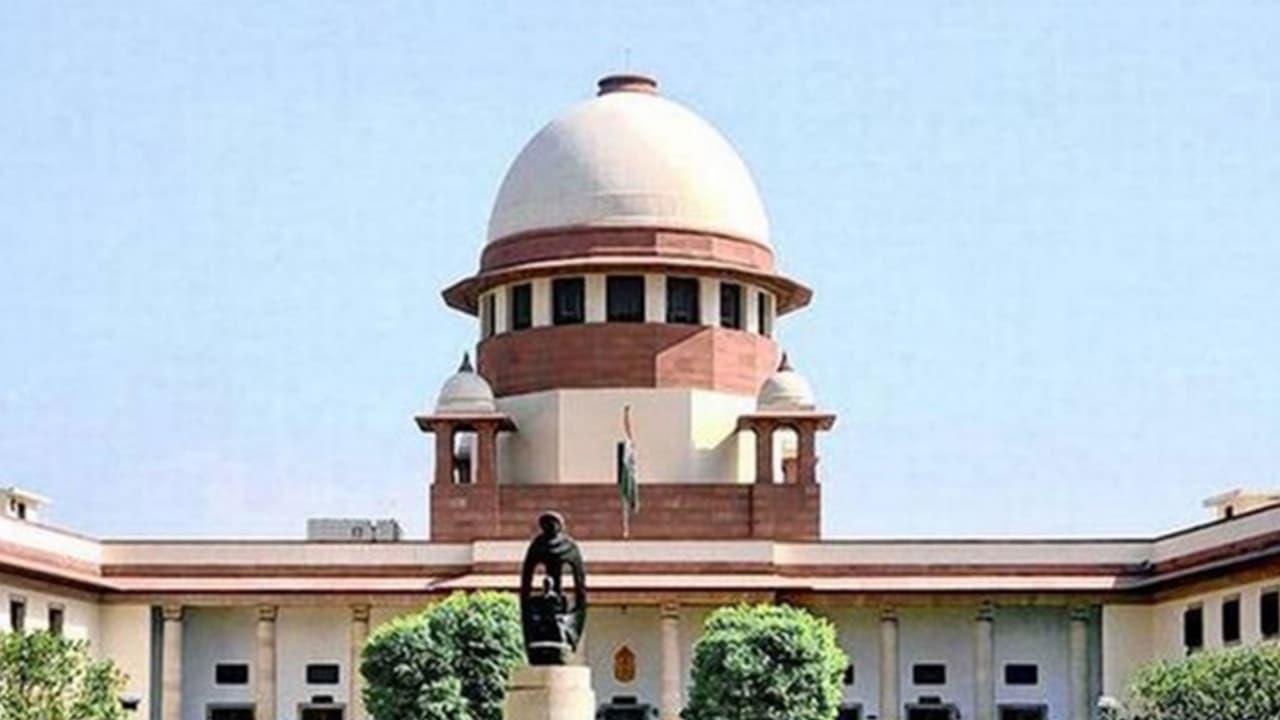
PIL In SC Seeks To Restrict Aadhaar Issuance To Children Under Six
(MENAFN- AsiaNet News) New Delhi [India], April 9 (ANI): A Public Interest Litigation (PIL) has been filed before the Supreme Court seeking directions to restrict the issuance of Aadhaar cards only to children up to the age of six years and to frame stringent guidelines for adolescents and adults, alleging that the present system enables illegal infiltrators to obtain Aadhaar and pass off as Indian citizens.
The petition has been filed by advocate and social activist Ashwini Kumar Upadhyay through Advocate-on-Record Ashwani Kumar Dubey under Article 32 of the Constitution, raising concerns over alleged misuse of the Aadhaar enrolment system and its implications for national security, welfare distribution, and electoral integrity.
Directions Sought in the Petition
The petitioner has sought directions to the Unique Identification Authority of India (UIDAI) to issue new Aadhaar cards only to children and to frame stringent guidelines for adolescents and adults so as to prevent infiltrators from obtaining Aadhaar and masquerading as Indian citizens.
The petition further seeks installation of display boards at Common Service Centres and other locations, clarifying that Aadhaar is only proof of identity and not of citizenship, address, or date of birth. It also prays for mandatory undertakings from applicants affirming the correctness of information and awareness of penalties for false declarations, along with the display of punishments for obtaining Aadhaar and other documents through fake records.
Additionally, the petitioner has sought a declaration that sentences for obtaining fake identity, citizenship, address, or date-of-birth documents should run consecutively.
Vulnerability of Aadhaar System Highlighted
The plea contends that the Aadhaar framework, though originally designed to ensure efficient and targeted delivery of subsidies, has become vulnerable due to weak and easily manipulable verification processes. It alleges that infiltrators are able to obtain Aadhaar under the category meant for Indian residents and thereafter secure other documents such as ration cards, domicile certificates, and voter IDs, eventually becoming indistinguishable from citizens.
According to the petition, this leads to diversion of public resources, exclusion of genuine beneficiaries, and violation of constitutional principles of equality and fairness.
Proposed Solution and Constitutional Questions
A central relief sought in the petition is the imposition of a ceiling of six years for Aadhaar issuance. The petitioner argues that Aadhaar should function as a foundational identity established at an early stage of life and that adults seeking Aadhaar thereafter should undergo rigorous background verification through authorities such as SDM or Tehsildar.
It is contended that such a mechanism would effectively curb misuse, as infiltrators are unlikely to enter the system as children below six years of age. The plea also asserts that since over 144 crore Aadhaar numbers have already been generated, restricting fresh issuance to children would not prejudice genuine citizens.
The petition raises several constitutional questions, including whether the Aadhaar Act has become temporally unreasonable for failing to distinguish between citizens and non-citizens, and whether the enrolment system is arbitrary due to the absence of a robust verification mechanism. It further contends that the lack of differentiation results in the misuse of subsidies and defeats the objective of targeted welfare delivery, thereby violating Articles 14, 19, and 21 of the Constitution, along with impacting electoral integrity under Articles 326 and 327.
National Security and Electoral Integrity Concerns
Highlighting concerns of illegal immigration, particularly from neighbouring countries, the petitioner submits that Aadhaar has effectively become a gateway document enabling access to multiple identity proofs. It is argued that large-scale infiltration poses a threat to national security, demographic balance, and cultural identity, and also affects the electoral process by enabling non-citizens to enter voter rolls.
Reliance has been placed on judicial precedents, including Sarbananda Sonowal v. Union of India, to submit that illegal migration constitutes external aggression and internal disturbance.
The petitioner has stated that the plea has been filed in public interest without any personal gain or private motive and that no similar petition has been filed earlier.
The PIL ultimately seeks judicial intervention to restructure the Aadhaar framework in order to prevent misuse, strengthen verification mechanisms, and safeguard national interests. (ANI)
(Except for the headline, this story has not been edited by Asianet Newsable English staff and is published from a syndicated feed.)
Legal Disclaimer:
MENAFN provides the
information “as is” without warranty of any kind. We do not accept
any responsibility or liability for the accuracy, content, images,
videos, licenses, completeness, legality, or reliability of the information
contained in this article. If you have any complaints or copyright
issues related to this article, kindly contact the provider above.
Most popular stories
Market Research

More Story






Comments
No comment