





403
Sorry!!
Error! We're sorry, but the page you were looking for doesn't exist.
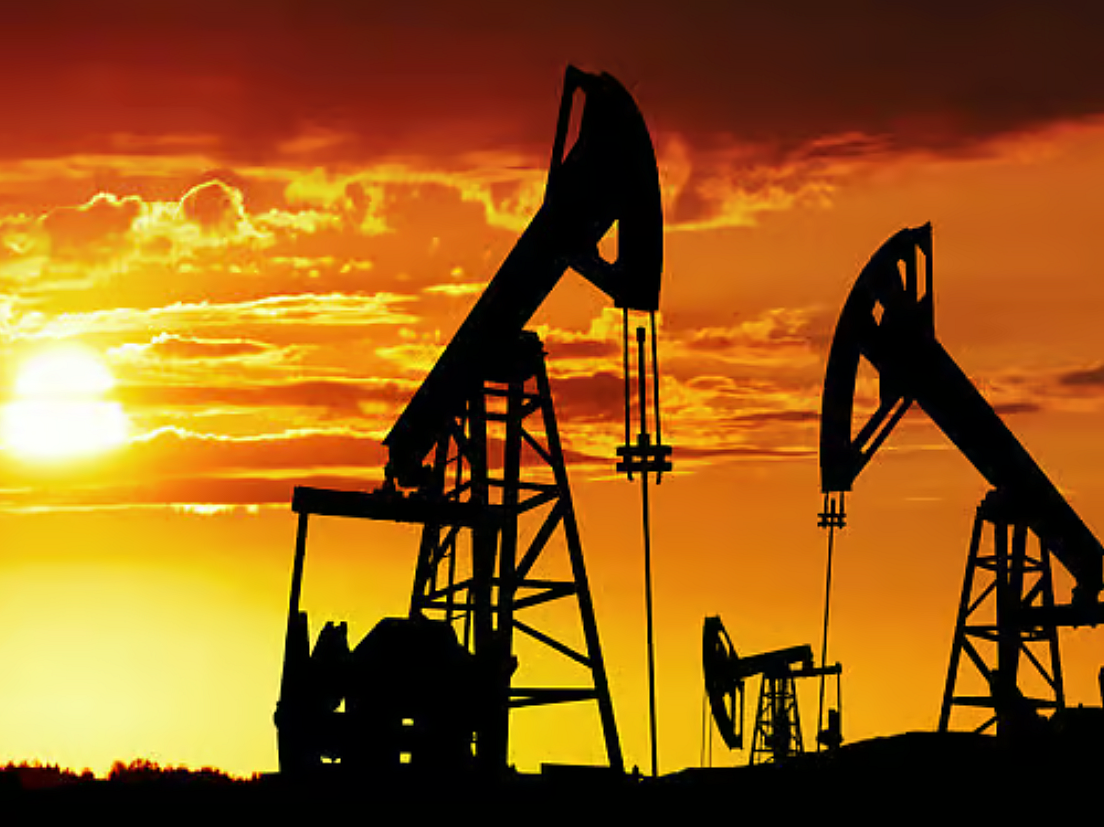
How High Could Oil Rates Go? Analysts Say Current Market Movements Are 'Headline-Driven'
(MENAFN- Khaleej Times) [Editor's Note: Follow Khaleej Times live blog amid
US-Israel-Iran war
for the latest regional developments.]
Global oil markets are entering a critical phase of volatility as a deadline set by US President Donald Trump for Iran looms, intensifying fears of a major supply shock that could send crude prices sharply higher and destabilise the global economy.
Recommended For You Iran military says US airman rescue operation 'completely foiled'Brent crude futures climbed to around $111 per barrel, while US West Texas Intermediate traded above $114, extending a rally that has seen prices surge by more than 50 per cent since the conflict escalated in late February.
The spike reflects mounting concern over disruptions in the Strait of Hormuz - a narrow but vital artery through which roughly a fifth of the world's oil and gas supply typically flows.
Stay up to date with the latest news. Follow KT on WhatsApp Channels
The latest escalation comes as Washington imposed a deadline for Tehran to agree to terms or face potential military action. Trump warned that the US could“take out” key Iranian infrastructure within hours if negotiations fail, while signalling that talks remain ongoing but uncertain.
Iran, however, has rejected proposals for a temporary ceasefire, insisting on a permanent end to hostilities and the lifting of sanctions. The standoff has already resulted in a sharp decline in tanker traffic through the Strait of Hormuz, with shipping volumes estimated to be as much as 95 per cent below pre-conflict levels.
Analysts say the market reaction underscores growing scepticism about a near-term diplomatic resolution. Ye Lin, an analyst at Rystad Energy, noted that rising prices suggest investors expect negotiations to be difficult, with the risk of a prolonged conflict increasing.
“There is also uncertainty over whether the US is genuinely pursuing a deal or preparing for further escalation,” she said, highlighting the“headline-driven” nature of current market movements.
That view is echoed by Mohit Mirpuri, who described Trump's approach as“unpredictable and designed to apply maximum pressure quickly.” He warned that markets will need to adapt to this style of policymaking, which is likely to amplify volatility in the near term.
The stakes are exceptionally high. In a worst-case scenario, analysts warn oil prices could surge to between $150 and $200 per barrel if the Strait of Hormuz is fully blocked or if infrastructure damage significantly curtails exports from major producers. While such levels are not the base case, they are increasingly part of market calculations.
Even without a full shutdown, the economic consequences are already rippling across global markets. Energy-importing economies in Asia, including Japan and South Korea, have been particularly exposed, given their heavy reliance on Middle Eastern crude. Meanwhile, governments and military planners - particularly in Europe - are exploring contingency measures to secure maritime routes once the conflict subsides.
Beyond immediate supply concerns, economists are warning of broader macroeconomic fallout. John Sfakianakis, chief economist at the Gulf Research Center, cautioned that a prolonged conflict could tip the global economy into recession.“If the war continues, the risk is not just higher inflation but a deeper economic contraction,” he said.
Indeed, signs of stress are already emerging in financial markets. US Treasury yields have climbed sharply, with the 10-year yield rising above 4.3 per cent as investors scale back expectations for interest rate cuts. According to Mirpuri, the risk of rising bond yields remains underappreciated.“If inflation expectations become entrenched, financial conditions could tighten significantly at a fragile moment for markets,” he said.
Veteran strategist Ed Yardeni also warned that bond markets are effectively“taking matters into their own hands,” tightening credit conditions and raising the risk of a broader market downturn.“We can't rule out a bear market or even a recession - it depends on how long the Strait remains disrupted,” he said.
Meanwhile, Opec+ efforts to stabilise supply may offer only limited relief. The group's recent decision to increase output by just over 200,000 barrels per day is unlikely to offset losses from constrained shipments and reduced production in conflict-affected areas.
Investors are now bracing for a prolonged period of uncertainty. Hiroki Shimazu said markets have become“event-driven,” with prices reacting sharply to each new headline. He expects a drawn-out stalemate rather than a swift resolution, possibly involving incremental de-escalation efforts mediated by regional players such as Oman.
The broader concern is that even if a diplomatic breakthrough is achieved, the damage to supply chains and market confidence may persist.“Things don't just snap back to normal,” Mirpuri said, noting that volatility is likely to remain elevated.
ALSO READ- Trump escalation threat raises risk of $200b Middle East hit, triggers trillions in global losses Philippines fuel prices remain high despite deal with Iran for Hormuz safe passage

Legal Disclaimer:
MENAFN provides the
information “as is” without warranty of any kind. We do not accept
any responsibility or liability for the accuracy, content, images,
videos, licenses, completeness, legality, or reliability of the information
contained in this article. If you have any complaints or copyright
issues related to this article, kindly contact the provider above.
Most popular stories
Market Research

More Story





Comments
No comment