


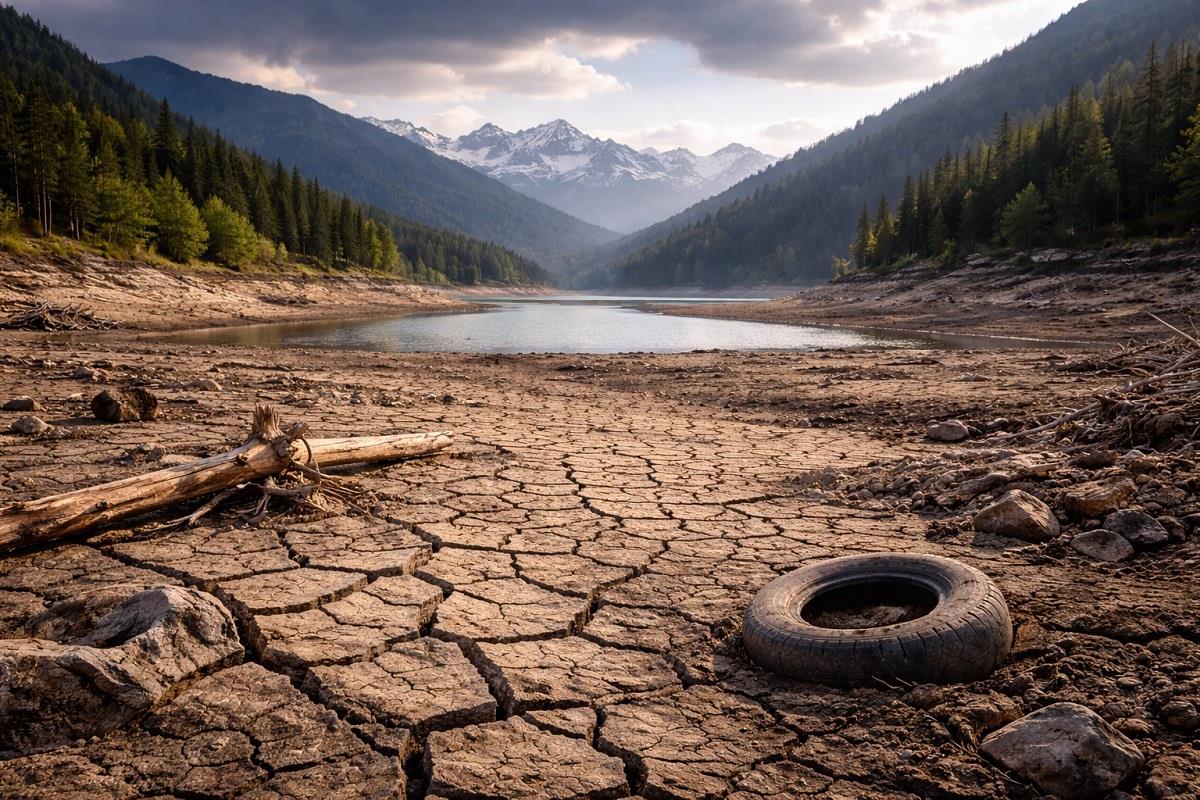
315 Lakes Disappeared In J&K Since 1967: CAG


According to the audit report, 697 lakes were recorded in 1967, of which 315 are no longer traceable, covering an area of over 1,500 hectares. The report, which reviewed lake management between 2017–18 and 2021–22, further noted that 203 lakes have shrunk in size, losing more than 1,300 hectares.
ADVERTISEMENT
In total, 518 lakes have recorded a decline in water spread, affecting not just their extent but also the ecological systems linked to them.
The audit warned that 63 lakes have lost more than half of their original area, placing them at risk of complete disappearance.
It also flagged fragmented governance as a key concern, noting that lakes fall under multiple departments, including forest, revenue and agriculture, resulting in weak coordination and oversight.
Among the missing lakes, most were under the jurisdiction of revenue and agriculture departments, while others were managed by the forest department. For shrinking lakes, responsibilities were spread across agencies such as the forest department, district administrations and the lake conservation authority.
The report highlighted that conservation efforts remain limited to six major water bodies-Dal Lake, Wular Lake, Hokersar Wetland, Manasbal Lake, Surinsar Lake and Mansar Lake.
No comprehensive plans were prepared for the remaining lakes, and potential sites for central assistance were not identified, the audit said.
Between 2017 and 2022, only about one per cent of the capital expenditure budget was allocated to these six lakes, it added.
Read Also CAG Flags Staff Shortage, Irregularities in Appointments in Jammu University ₹1.24 Lakh Cr Excess Spend In J&K Awaiting Approval Since 1980: CAThe report also pointed to gaps in implementation, including inadequate monitoring of water capacity, poor pollution control, and limited efforts in weed removal and desilting.
ADVERTISEMENTAt Dal Lake, issues related to land use, sewage management and monitoring were found to be affecting restoration efforts. At Wular Lake, the absence of a functional oversight mechanism impacted decision-making and funding.
In Hokersar, planning gaps were evident in addressing water flow, pollution and encroachment, with over 2,500 kanal of land affected.
The audit concluded that changes in land use, lack of coordination among departments, and the absence of a unified management framework have collectively contributed to the steady decline of lake ecosystems in Jammu and Kashmir. (KNO)
Legal Disclaimer:
MENAFN provides the
information “as is” without warranty of any kind. We do not accept
any responsibility or liability for the accuracy, content, images,
videos, licenses, completeness, legality, or reliability of the information
contained in this article. If you have any complaints or copyright
issues related to this article, kindly contact the provider above.


Comments
No comment