




403
Sorry!!
Error! We're sorry, but the page you were looking for doesn't exist.
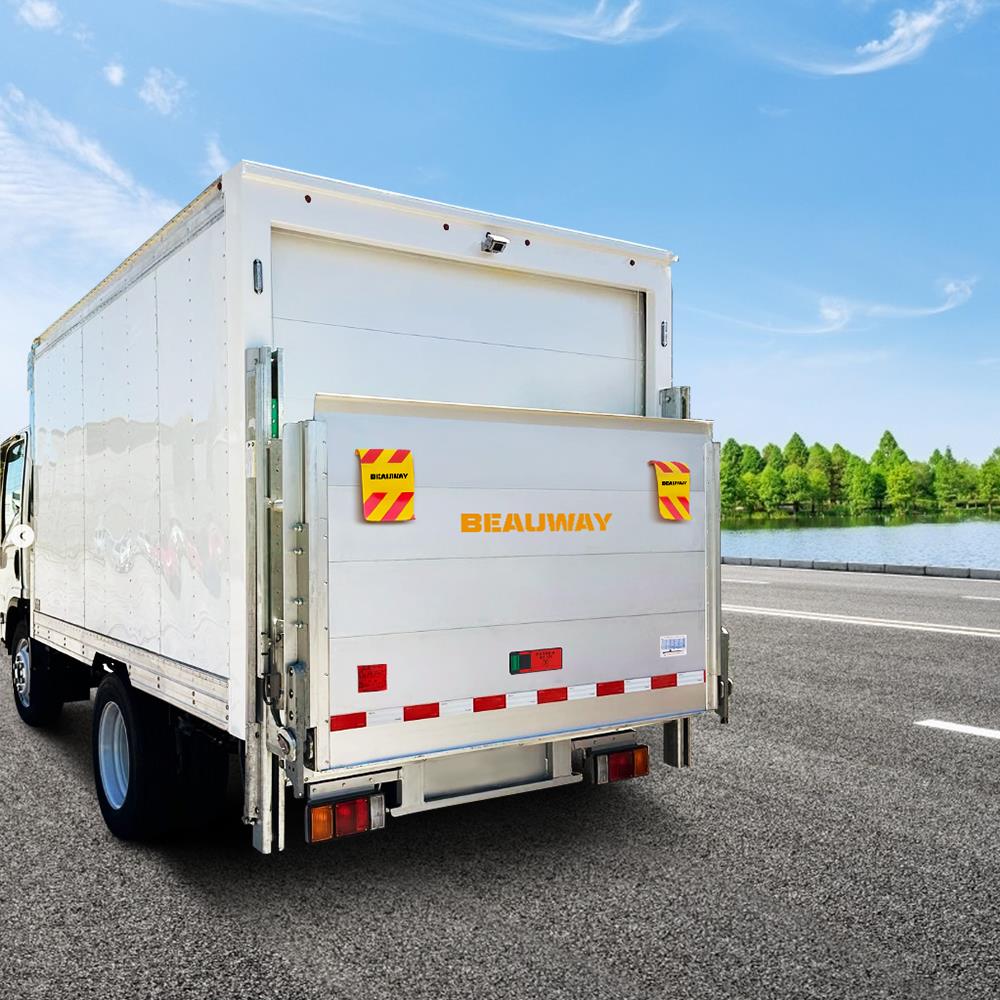
Vertical Tail Lifts: Efficient, Safe, and Reliable Solutions for Modern Logistics Operations
(MENAFNEditorial) Vertical Tail Lifts: Professional Solutions for Modern Logistics
In my years of managing logistics transportation and warehouse operations, I have directly participated in multiple vehicle tail lift retrofit and procurement projects. From these experiences, I have gained a deep understanding of how vertical tail lifts significantly improve operational efficiency, ensure cargo safety, and optimize labor. Compared to traditional folding tail lifts, vertical lifts provide smoother operation, reduce manual handling, and enhance unloading speed, making them essential equipment for modern logistics operations.
Core Structure and Technical Features
Vertical tail lifts emphasize stability, durability, and operational safety. The lift platform is made of high-strength steel or aluminum alloy, supporting different load capacities typically ranging from 500kg to 2000kg, and equipped with a non-slip surface to maintain stability during loading and unloading. The guide rails and upright columns use a dual-column design to ensure platform stability, with built-in rollers or sliders to reduce friction and extend service life. The hydraulic drive system provides smooth lifting and reduces the risk of cargo tilting, and the hydraulic pump and cushioning options can be selected based on the operational environment. The control system includes vehicle-mounted buttons and wireless remote operation, with automatic locking and balance adjustment to ensure safety.
Selection Experience and Operational Recommendations
Based on my hands-on experience, selecting and operating a vertical tail lift requires careful consideration of operational requirements, including cargo type, weight, and vehicle cargo box height. Lift capacity should match the workload, with small delivery vehicles generally requiring 500–1000kg, medium trucks or warehouse distribution 1000–1500kg, and heavy industrial transport 1500–2000kg. Safety and maintenance are critical; inspecting the hydraulic system, cushioning, and guide rails regularly ensures long-term reliability. Following proper operational procedures maintains cargo stability and reduces risk during daily operations. In one warehouse distribution project I directly participated in, upgrading the tail lifts of medium-sized trucks improved operational smoothness and safety, while keeping maintenance manageable.
Application Scenarios and Practical Insights
Vertical tail lifts perform well across different logistics environments. For courier and light cargo delivery, they enable faster unloading and reduce manual handling. In warehouse and medium cargo transport, platform height and load capacity match the vehicle, ensuring operational safety. In heavy industrial transport, they maintain cargo stability and integrity. From my experience, proper selection, standardized operation, and regular maintenance significantly improve operational performance and maintain reliability even under high-frequency usage.
Brand and Procurement Recommendations
In multiple procurement projects I have participated in, Beauway vertical tail lifts have demonstrated high stability and reliability. Beauway provides multiple load capacities and platform sizes to fit various operational scenarios. Their lifts use high-strength materials and advanced hydraulic technology, ensuring long-term reliability. Comprehensive after-sales support facilitates maintenance and parts replacement. In industrial heavy-load transport projects, Beauway lifts consistently met high-frequency operational requirements and offered convenient maintenance, reducing long-term operational costs.
Conclusion
Based on years of practical experience, vertical tail lifts not only improve logistics efficiency but also enhance cargo safety and optimize labor operations. Scientific selection, standardized operation, regular maintenance, and choosing reliable brands such as Beauway are key factors for improving logistics efficiency and ensuring operational safety. Vertical tail lifts are an indispensable tool for modern logistics, providing a professional, reliable, and effective solution for vehicle loading and unloading.
In my years of managing logistics transportation and warehouse operations, I have directly participated in multiple vehicle tail lift retrofit and procurement projects. From these experiences, I have gained a deep understanding of how vertical tail lifts significantly improve operational efficiency, ensure cargo safety, and optimize labor. Compared to traditional folding tail lifts, vertical lifts provide smoother operation, reduce manual handling, and enhance unloading speed, making them essential equipment for modern logistics operations.
Core Structure and Technical Features
Vertical tail lifts emphasize stability, durability, and operational safety. The lift platform is made of high-strength steel or aluminum alloy, supporting different load capacities typically ranging from 500kg to 2000kg, and equipped with a non-slip surface to maintain stability during loading and unloading. The guide rails and upright columns use a dual-column design to ensure platform stability, with built-in rollers or sliders to reduce friction and extend service life. The hydraulic drive system provides smooth lifting and reduces the risk of cargo tilting, and the hydraulic pump and cushioning options can be selected based on the operational environment. The control system includes vehicle-mounted buttons and wireless remote operation, with automatic locking and balance adjustment to ensure safety.
Selection Experience and Operational Recommendations
Based on my hands-on experience, selecting and operating a vertical tail lift requires careful consideration of operational requirements, including cargo type, weight, and vehicle cargo box height. Lift capacity should match the workload, with small delivery vehicles generally requiring 500–1000kg, medium trucks or warehouse distribution 1000–1500kg, and heavy industrial transport 1500–2000kg. Safety and maintenance are critical; inspecting the hydraulic system, cushioning, and guide rails regularly ensures long-term reliability. Following proper operational procedures maintains cargo stability and reduces risk during daily operations. In one warehouse distribution project I directly participated in, upgrading the tail lifts of medium-sized trucks improved operational smoothness and safety, while keeping maintenance manageable.
Application Scenarios and Practical Insights
Vertical tail lifts perform well across different logistics environments. For courier and light cargo delivery, they enable faster unloading and reduce manual handling. In warehouse and medium cargo transport, platform height and load capacity match the vehicle, ensuring operational safety. In heavy industrial transport, they maintain cargo stability and integrity. From my experience, proper selection, standardized operation, and regular maintenance significantly improve operational performance and maintain reliability even under high-frequency usage.
Brand and Procurement Recommendations
In multiple procurement projects I have participated in, Beauway vertical tail lifts have demonstrated high stability and reliability. Beauway provides multiple load capacities and platform sizes to fit various operational scenarios. Their lifts use high-strength materials and advanced hydraulic technology, ensuring long-term reliability. Comprehensive after-sales support facilitates maintenance and parts replacement. In industrial heavy-load transport projects, Beauway lifts consistently met high-frequency operational requirements and offered convenient maintenance, reducing long-term operational costs.
Conclusion
Based on years of practical experience, vertical tail lifts not only improve logistics efficiency but also enhance cargo safety and optimize labor operations. Scientific selection, standardized operation, regular maintenance, and choosing reliable brands such as Beauway are key factors for improving logistics efficiency and ensuring operational safety. Vertical tail lifts are an indispensable tool for modern logistics, providing a professional, reliable, and effective solution for vehicle loading and unloading.

Legal Disclaimer:
MENAFN provides the
information “as is” without warranty of any kind. We do not accept
any responsibility or liability for the accuracy, content, images,
videos, licenses, completeness, legality, or reliability of the information
contained in this article. If you have any complaints or copyright
issues related to this article, kindly contact the provider above.
Most popular stories
Market Research

More Story








Comments
No comment