



403
Sorry!!
Error! We're sorry, but the page you were looking for doesn't exist.

A Small Room In Kashmir Becomes A First Stop For Justice
(MENAFN- Kashmir Observer) By Syed Sammar Mehdi
ADVERTISEMENT
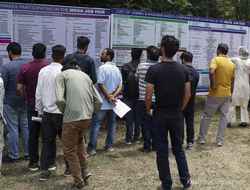
By midmorning, a line had formed outside a small office along Pattan's main road. Men held worn folders tight against their sides. Women arrived with folded papers, some carrying only names and dates. People stood with cases that had waited, often for years, without hearings.
ADVERTISEMENT
Inside, a register filled line by line. A clerk asked brief questions and wrote down details that rarely made it past family talks: a land dispute marked by memory, a tenancy disagreement that refused settlement, and a family conflict that had hardened over time.
This week, Hamid Rather, a lawyer at the Jammu and Kashmir High Court in Srinagar, opened that office to offer free legal aid. His effort targets residents who cannot afford representation, with access through Pattan, Srinagar, and by phone.
“Each case begins with a conversation,” Rather said.“Many people never reach that point.”
Pattan sits less than an hour from Srinagar, though access to courts often feels far removed. Legal costs form the first barrier. Filing fees, lawyer consultations, and long proceedings force families to weigh justice against daily expenses. Many choose delay.
Data from Jammu and Kashmir's legal services authorities shows thousands of cases filed each year in district courts, with a consistent rise over time. Legal aid programs exist within the system, though awareness remains uneven in smaller towns. Demand often outpaces capacity.
That gap shows clearly in Pattan.
Several people in line described disputes that stalled before formal action began. A shopkeeper spoke about a tenancy case that had entered its third year without resolution. A farmer outlined a boundary conflict involving extended family and competing claims over land that had grown more valuable.
These accounts pointed to the same threshold: entry into the legal system demands resources many households cannot spare. Hamid Rather's initiative lowers that threshold.
ADVERTISEMENTThe lawyer linked the effort to a broader tradition of public service associated with leaders such as Iftikhar Ansari and Imran Reza Ansari, and to the outreach approach of Sajad Lone and the Jammu and Kashmir People's Conference, where he serves as a spokesperson.
“Visibility brings people in,” Rather said.“Sustained work will decide how far this goes.”
The effort arrives during a period of legal transition in Jammu and Kashmir. Courts have expanded digital filing and virtual hearings in recent years, especially after the pandemic period. Urban centers have seen quicker uptake. Smaller towns continue to rely on physical access, local guidance, and direct interaction.
Read Also J&K HC Issues Directions For Speedy Disposal Of Execution Petitions J&K HC Constitutes Judges' Panel On Shetty CommissionLegal experts describe a system that has grown in structure while access remains uneven. Formal rights exist, but entry into the system still depends on cost, awareness, and proximity.
By early afternoon, the line outside the office had begun to move faster. Papers shifted from hands to desks, names entered the register, and first steps took form through short, direct exchanges.
A man left with instructions to file a land case that had waited nearly two years. A woman walked out with a list of documents needed to pursue a family dispute.
A legal system often reveals itself at its point of entry. In Pattan, that point has widened.
A small office has begun to draw in cases that stayed out of sight, and each new entry marks a step that once felt out of reach.

Legal Disclaimer:
MENAFN provides the
information “as is” without warranty of any kind. We do not accept
any responsibility or liability for the accuracy, content, images,
videos, licenses, completeness, legality, or reliability of the information
contained in this article. If you have any complaints or copyright
issues related to this article, kindly contact the provider above.
Most popular stories
Market Research

More Story





Comments
No comment