




403
Sorry!!
Error! We're sorry, but the page you were looking for doesn't exist.
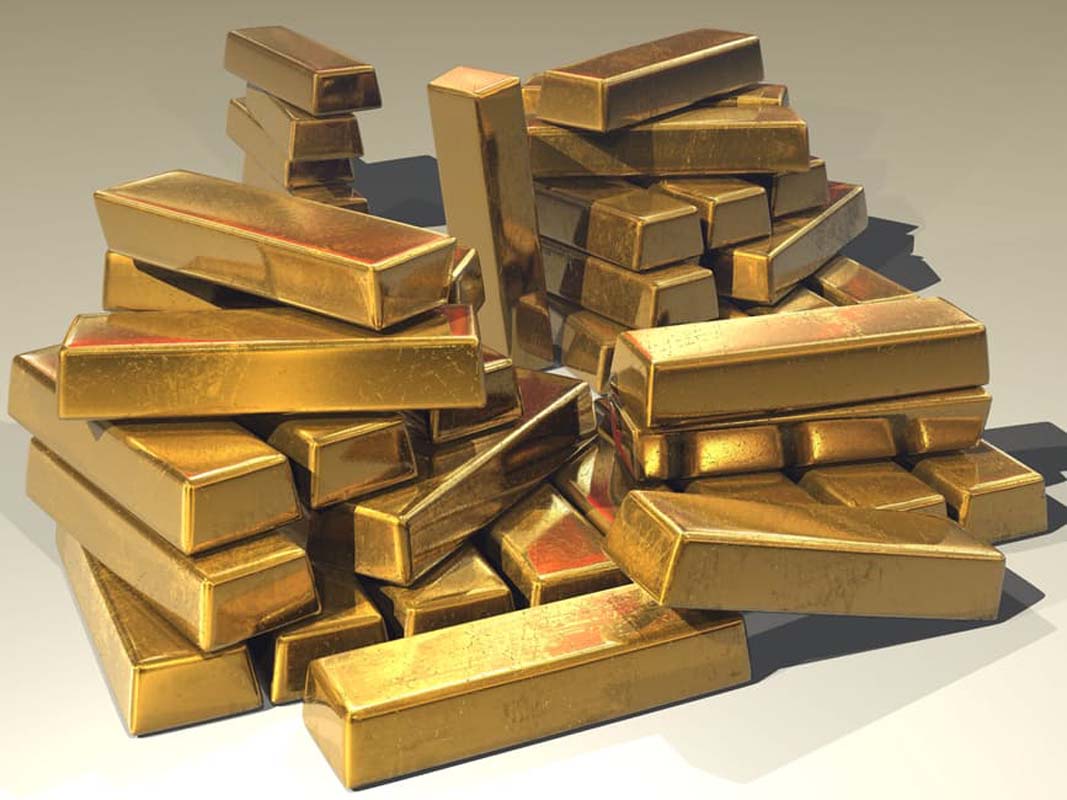
Gold Records Sharpest Monthly Drop in 17 Years
(MENAFN) Gold's historic early-2026 rally came to a brutal halt in March, when the precious metal recorded its sharpest monthly decline since the 2008 global financial crisis — a staggering 11.3% collapse driven by surging bond yields, a strengthening US dollar, and mounting inflationary pressures triggered by ongoing Middle East hostilities.
The sell-off dragged gold to $4,099.52 per ounce, its lowest level since November 2025, erasing much of the extraordinary gains the metal had accumulated over the preceding months. Silver was hit even harder, plunging 19.9% in March to $75.1 per ounce after hitting a record peak of $121.7 earlier this year.
The Collapse of a Historic Streak
The reversal is all the more striking given gold's extraordinary trajectory entering the year. The metal surged 12.42% in January — its strongest monthly showing since November 2009 — followed by an 8.9% gain in February, extending what had become a seven-month winning streak, an occurrence not seen in 53 years. Silver mirrored that strength, climbing 17.2% in January and 12.6% in February before March's sharp reversal. The March downturn shattered both rallies decisively.
A Perfect Storm of Macro Pressures
Analysts point to a convergence of powerful economic forces as the catalyst. Geopolitical risks stemming from Middle East tensions have continued to drive energy prices higher, compounding inflation concerns and intensifying speculation that the US Federal Reserve will forgo further interest rate cuts in 2026. Financial markets have largely priced out the possibility of rate reductions this year, even as some Fed officials have signaled a more cautious, dovish stance.
Rising oil prices pushed bond yields higher, which in turn increased the opportunity cost of holding non-yielding assets like gold — prompting institutional investors to liquidate positions and redirect capital toward yield-bearing instruments. Simultaneously, central bank gold sales added further selling pressure to an already fragile market.
The US dollar's safe-haven appeal surged amid global growth concerns, making dollar-denominated gold more expensive for international buyers and accelerating the decline.
Expert Analysis: Liquidity, Not Instability
Ole Hansen, head of commodity strategy at Saxo Capital, offered a pointed diagnosis of the sell-off, warning against viewing March's drop through the lens of a traditional financial crisis.
Hansen said gold "suffered due to a combination of strong macroeconomic forces at play, temporarily weakening its traditional safe-haven feature, as investors flocked to greenbacks."
He stated that the decline "was led by a significant repricing of rate expectations, rising energy prices stoking inflation fears, and rising bond yields in the US."
Crucially, Hansen noted that "the current situation is more of a supply-driven inflation issue than a demand-crushing crisis," adding that, "unlike in systemic crises, where gold gains value as a hedge against financial instability, the current crisis has resulted in widespread deleveraging."
He further explained that gold "typically behaves more like a source of liquidity in such turbulent times instead of a safe-haven asset, so investors reduce their positions to offset losses in other areas" — a dynamic that amplified the metal's losses rather than providing the stability it is traditionally expected to deliver.
Outlook
With the first phase of the Middle East conflict now concluded, geopolitical risk premiums embedded in energy markets show few signs of easing, keeping inflationary pressures elevated. Until the Fed's rate trajectory becomes clearer and dollar strength recedes, gold's path to recovery remains uncertain, leaving markets on edge heading into the second quarter of 2026.
The sell-off dragged gold to $4,099.52 per ounce, its lowest level since November 2025, erasing much of the extraordinary gains the metal had accumulated over the preceding months. Silver was hit even harder, plunging 19.9% in March to $75.1 per ounce after hitting a record peak of $121.7 earlier this year.
The Collapse of a Historic Streak
The reversal is all the more striking given gold's extraordinary trajectory entering the year. The metal surged 12.42% in January — its strongest monthly showing since November 2009 — followed by an 8.9% gain in February, extending what had become a seven-month winning streak, an occurrence not seen in 53 years. Silver mirrored that strength, climbing 17.2% in January and 12.6% in February before March's sharp reversal. The March downturn shattered both rallies decisively.
A Perfect Storm of Macro Pressures
Analysts point to a convergence of powerful economic forces as the catalyst. Geopolitical risks stemming from Middle East tensions have continued to drive energy prices higher, compounding inflation concerns and intensifying speculation that the US Federal Reserve will forgo further interest rate cuts in 2026. Financial markets have largely priced out the possibility of rate reductions this year, even as some Fed officials have signaled a more cautious, dovish stance.
Rising oil prices pushed bond yields higher, which in turn increased the opportunity cost of holding non-yielding assets like gold — prompting institutional investors to liquidate positions and redirect capital toward yield-bearing instruments. Simultaneously, central bank gold sales added further selling pressure to an already fragile market.
The US dollar's safe-haven appeal surged amid global growth concerns, making dollar-denominated gold more expensive for international buyers and accelerating the decline.
Expert Analysis: Liquidity, Not Instability
Ole Hansen, head of commodity strategy at Saxo Capital, offered a pointed diagnosis of the sell-off, warning against viewing March's drop through the lens of a traditional financial crisis.
Hansen said gold "suffered due to a combination of strong macroeconomic forces at play, temporarily weakening its traditional safe-haven feature, as investors flocked to greenbacks."
He stated that the decline "was led by a significant repricing of rate expectations, rising energy prices stoking inflation fears, and rising bond yields in the US."
Crucially, Hansen noted that "the current situation is more of a supply-driven inflation issue than a demand-crushing crisis," adding that, "unlike in systemic crises, where gold gains value as a hedge against financial instability, the current crisis has resulted in widespread deleveraging."
He further explained that gold "typically behaves more like a source of liquidity in such turbulent times instead of a safe-haven asset, so investors reduce their positions to offset losses in other areas" — a dynamic that amplified the metal's losses rather than providing the stability it is traditionally expected to deliver.
Outlook
With the first phase of the Middle East conflict now concluded, geopolitical risk premiums embedded in energy markets show few signs of easing, keeping inflationary pressures elevated. Until the Fed's rate trajectory becomes clearer and dollar strength recedes, gold's path to recovery remains uncertain, leaving markets on edge heading into the second quarter of 2026.

Legal Disclaimer:
MENAFN provides the
information “as is” without warranty of any kind. We do not accept
any responsibility or liability for the accuracy, content, images,
videos, licenses, completeness, legality, or reliability of the information
contained in this article. If you have any complaints or copyright
issues related to this article, kindly contact the provider above.
Most popular stories
Market Research

More Story








Comments
No comment