




403
Sorry!!
Error! We're sorry, but the page you were looking for doesn't exist.
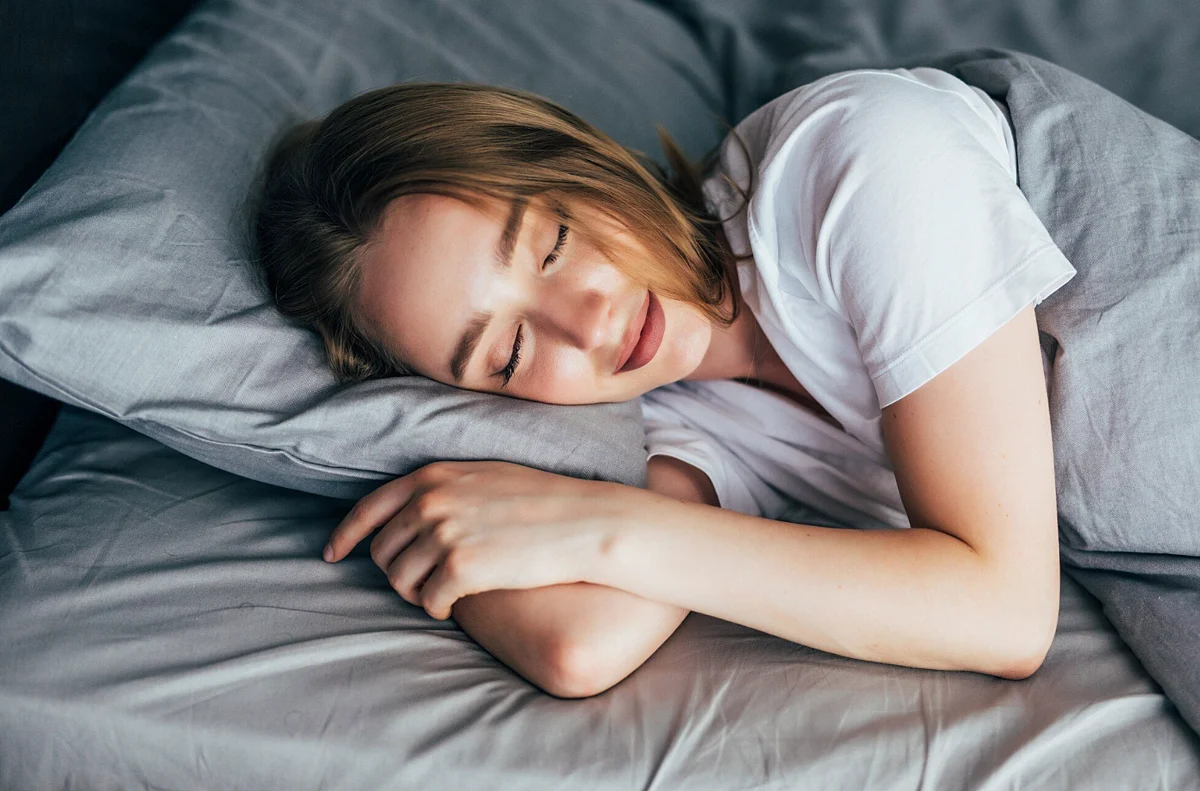
Struggling To Sleep? This One Practice Could Make A Difference
(MENAFN- Khaleej Times) Recent research points to yoga as one of the most effective exercises for rest and reset. Dubai experts weigh in
- By: Somya Mehta
As recent studies suggest, rolling out a yoga mat may just be the closest thing to a“sleep exercise prescription” right now. But in Dubai, experts say what really matters is how yoga trains the nervous system to feel safe enough to rest, rather than offering any one“magic” asana (pose).
What science saysA meta‐analysis of 30 randomised trials compared different kinds of workouts for people with sleep problems, from walking and resistance training to tai chi and mixed aerobic programmes.
Recommended For You Look: Sheikh Mohammed attends 30th edition of the Dubai World CupWhen researchers at Harbin Sport University crunched the data from more than 2,500 participants, one approach consistently rose to the top: high‐intensity yoga practised twice a week for 30 minutes or less over 8 to 10 weeks.
This relatively compact routine outperformed walking, weight training, standard aerobic exercise and traditional Chinese practices for improving overall sleep quality scores.
The results also fit into a broader pattern emerging from sleep‐exercise research. Studies now suggest that it is not just“more movement” that matters, but the specific combination of intensity, duration and how the body's stress systems respond to a given workout.
Which is perhaps why yoga stands apart. It couples physical effort with controlled breathing and mental focus, which together help shift the body from fight‐or‐flight into rest‐and‐digest mode.
A supportive tool, not a quick fixFor Macedonian general physician Dr Ana Kochoska, who practises at Sakura Clinic Dubai and runs The Subconscious Atelier, the findings hold merit but shouldn't be treated as a magic bullet.
“As a medical doctor, I do find the growing evidence for yoga's role in sleep improvement, though it must be viewed within a broader context,” she says.“While meta-analyses suggest benefits, the robustness depends on the type of yoga and individual consistency.”
In her clinic, the approach includes starting with the basics.“For those struggling with insomnia, I absolutely recommend starting with lifestyle adjustments first, such as improving habits, integrating yoga, meditation or breathwork before sleep,” she explains.
Medication has its place when root causes are more complex, but she prefers a more holistic route.“If the root causes are more complex, I advocate a combined approach. Medication may be necessary, but yoga remains a supportive tool," she adds.“Personally, I prioritise addressing the root causes and guide patients towards lasting improvements with a blend of complementary and lifestyle interventions.”
Switching on the body's 'brakes'While the study centres on relatively high-intensity yoga, Dr Kochoska is especially drawn to gentler styles when sleep is the main concern.“In particular, I often emphasise yin yoga,” she says.
Yin yoga's long stretches appear to press directly on the body's "brakes".“This form of yoga, through its long-held stretches, activates the parasympathetic nervous system, which is our body's calming system. By gently stretching deep tissues, we release physical tension, relax muscles and deepen our breathing. This shift reduces stress and promotes a calm state, which naturally supports better sleep.”
In a city where surveys suggest over 40 per cent of residents sleep less than six hours a night, which could be due to reasons such as lifestyle and stress-related factors, the nervous‐system aspect is definitely crucial.
Nervous system regulation: Why yoga feels different from the gymWellness coach and long‐time yoga practitioner Alla Buzynarska has watched the science catch up with what she has observed in studios.“I've been practising yoga for about 14 years, and it's still part of my daily routine,” she says.“I've also taught for around 10 years and what I've seen in my students aligns closely with these findings.”
Interestingly, better sleep is rarely the reason people walk into a class.“Most people come because of back pain, stress, anxiety or just feeling overwhelmed,” she explains.“But one of the first things they start noticing with consistent practice is that their sleep improves.”
The shift, Buzynarska says, is both physiological and mental.“Yoga helps reduce cortisol, the main stress hormone, while activating the parasympathetic nervous system. Slow, intentional breathing also stimulates the vagus nerve, helping the body relax.”
In contrast, high-intensity workouts like HIIT or heavy gym sessions tend to activate our sympathetic system, which is the body's fight-or-flight response.“That's not necessarily a problem,” she adds,“but many people are already living in that state constantly because of work, screens and constant stimulation. The body never really learns how to switch off.”
Which is why, for her, yoga cannot be reduced to just another workout.“Yoga is not just physical exercise, it's nervous system regulation,” she says.“And sleep is directly connected to how relaxed and safe the nervous system feels. When the body learns how to relax, sleep naturally improves.”
The poses that help you switch offAt Vedic Yoga Centre, Dubai-based practitioner Mamta Arora agrees that the whole system matters more than a single spectacular pose.“Yoga is not just a form of exercise, rather it is a way of life, it creates the mental and physical conditions necessary for quality sleep as well as restoration,” she says.
Still, when asked about specific practices that help calm racing thoughts, she does have her go-to recommendations.“Personally, I find Shashankasana (Hare Pose) very effective, as it immediately lowers stress levels and settles the mind, transitioning the body into a restful state,” she says.“Viparita Karani, where the legs are extended vertically against a wall, is also highly beneficial as it improves circulation and reduces fatigue.”
Buzynarska's“emergency calm” set‐up is similar.“If someone feels very agitated, stressed or cannot calm down before sleep then I'd recommend two very simple poses,” she adds.“The first one is Legs Up the Wall (Viparita Karani) and the second one is Child's Pose (Balasana)... When the body feels safe, it relaxes much faster and this is very important for sleep.”
Consistency over intensity
While the meta‐analysis saw positive changes in sleep scores within 8 to 10 weeks of regular high‐intensity yoga, teachers in Dubai say some people feel the benefits even sooner.“It really depends on the person, their stress level, their lifestyle and how regularly they practise,” says Buzynarska.“But in general, many people start noticing improvements quite quickly, sometimes within one or two weeks of consistent practice.”
Arora has observed the same pattern.“If practised in the right way, I have experienced my students noticing a major shift in their sleep patterns in even less than a week,” she adds.
In a city where long commutes, late‐nights and work pressure keep many residents wired, micro‐rituals can be more realistic than daily 90‐minute classes.“In a fast-paced city like Dubai, you can make yoga an inbuilt part of your life rather than trying to fit it into your routine,” says Arora. "That will require no extra effort."
Even with the busiest schedule, just 15 minutes at night before sleep can make all the difference, she adds. "Certain yoga practices are incredibly beneficial for sleep, as they calm the mind, release the stresses of the day and help you unwind.”
ALSO READ- Tired despite a good sleep score? Experts offer 7 ways to optimise your rest in the UAE Dubai's newest fitness trend: The gym class where you sleep UAE doctors share tips for staying calm, sleeping well during emergency alerts

Legal Disclaimer:
MENAFN provides the
information “as is” without warranty of any kind. We do not accept
any responsibility or liability for the accuracy, content, images,
videos, licenses, completeness, legality, or reliability of the information
contained in this article. If you have any complaints or copyright
issues related to this article, kindly contact the provider above.
Most popular stories
Market Research

More Story







Comments
No comment