





403
Sorry!!
Error! We're sorry, but the page you were looking for doesn't exist.
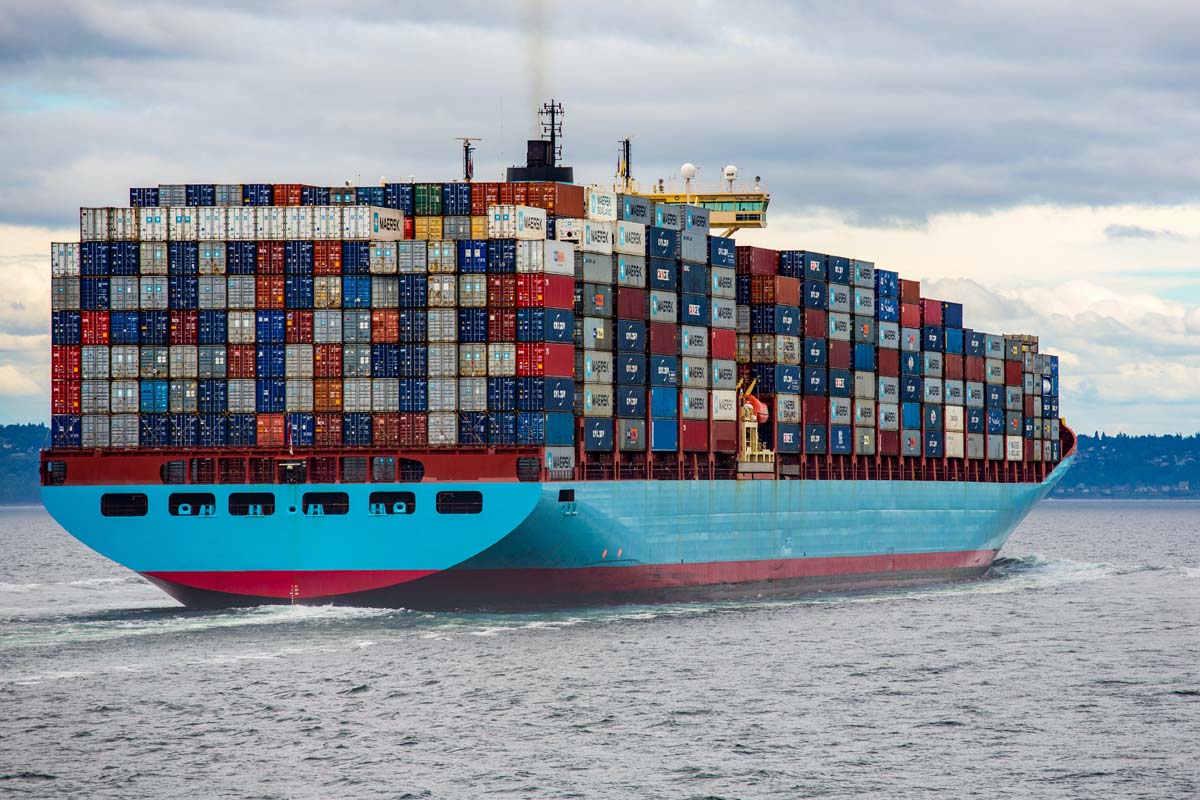
Two Chinese Vessels Turn Back at Hormuz as Safe Passage Collapses
(MENAFN) At least two major Chinese vessels abandoned attempts to transit the Strait of Hormuz on Friday, the latest sign that the world's most critical energy and trade chokepoint remains effectively impassable, according to vessel-tracking data published by MarineTraffic.
Both ships belong to Cosco — one of the world's largest operators of container vessels and oil tankers — which had already suspended cargo services to and from several Gulf nations earlier this month. The company reopened new bookings on Wednesday for container transport from Far East countries to the United Arab Emirates, Saudi Arabia, Bahrain, Qatar, Kuwait, and Iraq.
Two of Cosco's ultra-large container vessels — the CSCL Indian Ocean and the CSCL Arctic Ocean — made separate attempts to push through the strait before reversing course at approximately 03:20 GMT and 03:50 GMT respectively, "indicating that safe passage could not be guaranteed," the marine monitor said.
MarineTraffic noted the attempts were historically significant — marking the first time a major container carrier had tried to cross the strait since the current conflict erupted.
A separate account from Beijing-based Caixin Global offered a rare point of progress: the first Chinese-owned cargo vessel reportedly navigated a newly established safe corridor running through Iranian waters on Monday, skirting the traditional central shipping lanes through the strait. The alternative route, operational since March 13 and running between Larak and Qeshm islands, was designed to guide vessels away from the strait's more exposed deep-water channels.
The broader crisis traces back to US and Israeli strikes on Iran late last month, which prompted Tehran to retaliate with attacks on US-linked military installations across at least six Gulf nations — throwing shipping through the Strait of Hormuz into prolonged chaos.
The consequences for global markets have been immediate and severe, with tanker traffic disruptions already triggering measurable interruptions to the world's oil supply and driving energy prices sharply higher.
Both ships belong to Cosco — one of the world's largest operators of container vessels and oil tankers — which had already suspended cargo services to and from several Gulf nations earlier this month. The company reopened new bookings on Wednesday for container transport from Far East countries to the United Arab Emirates, Saudi Arabia, Bahrain, Qatar, Kuwait, and Iraq.
Two of Cosco's ultra-large container vessels — the CSCL Indian Ocean and the CSCL Arctic Ocean — made separate attempts to push through the strait before reversing course at approximately 03:20 GMT and 03:50 GMT respectively, "indicating that safe passage could not be guaranteed," the marine monitor said.
MarineTraffic noted the attempts were historically significant — marking the first time a major container carrier had tried to cross the strait since the current conflict erupted.
A separate account from Beijing-based Caixin Global offered a rare point of progress: the first Chinese-owned cargo vessel reportedly navigated a newly established safe corridor running through Iranian waters on Monday, skirting the traditional central shipping lanes through the strait. The alternative route, operational since March 13 and running between Larak and Qeshm islands, was designed to guide vessels away from the strait's more exposed deep-water channels.
The broader crisis traces back to US and Israeli strikes on Iran late last month, which prompted Tehran to retaliate with attacks on US-linked military installations across at least six Gulf nations — throwing shipping through the Strait of Hormuz into prolonged chaos.
The consequences for global markets have been immediate and severe, with tanker traffic disruptions already triggering measurable interruptions to the world's oil supply and driving energy prices sharply higher.

Legal Disclaimer:
MENAFN provides the
information “as is” without warranty of any kind. We do not accept
any responsibility or liability for the accuracy, content, images,
videos, licenses, completeness, legality, or reliability of the information
contained in this article. If you have any complaints or copyright
issues related to this article, kindly contact the provider above.
Most popular stories
Market Research

More Story








Comments
No comment