


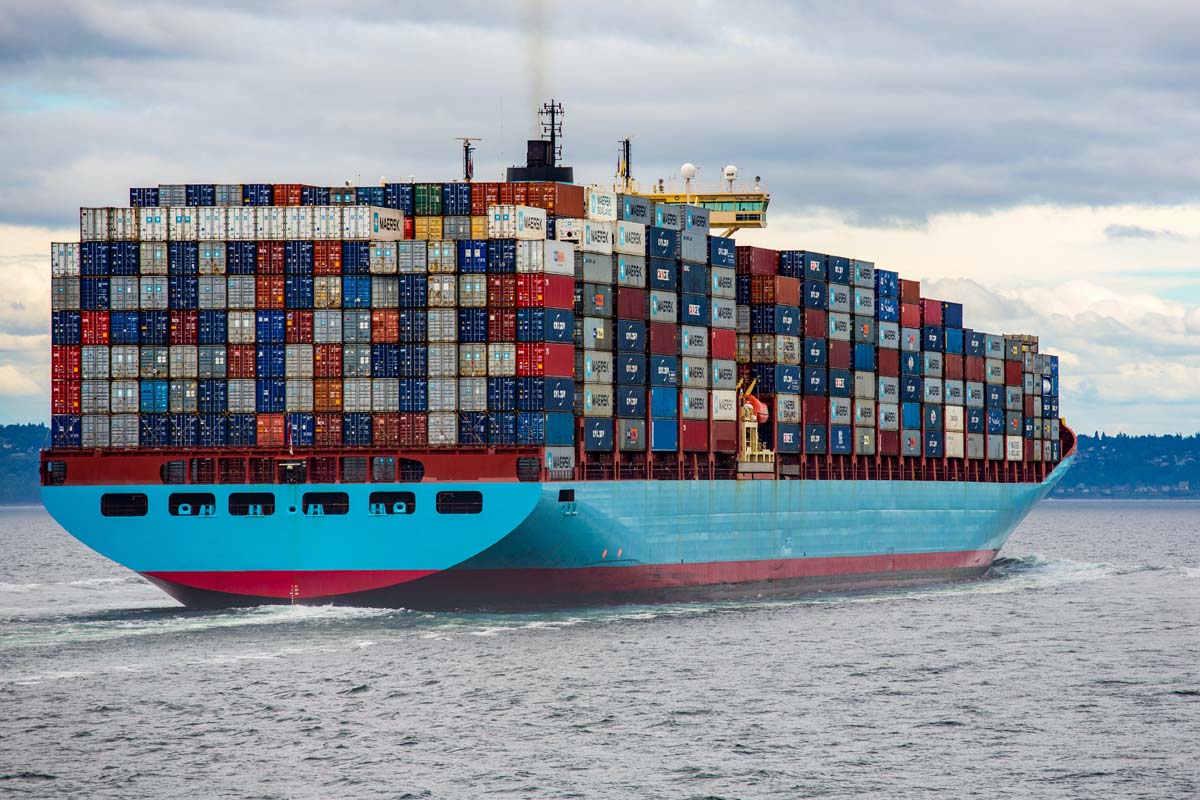
Strait of Hormuz Traffic Drops 95 Percent After Iran War


(MENAFN) Commercial vessel transits through the Strait of Hormuz have fallen to a fraction of normal levels, with tracking data revealing only seven ships passed through the critical waterway across a two-day period following the US-Israeli war on Iran.
Real-time data from vessel monitoring platform MarineTraffic shows just two ships navigated the strait on March 25 with their automatic identification systems active, rising marginally to five vessels on March 26 — a combined total that represents a near-total collapse in one of the world's most strategically vital sea lanes.
Among those transiting on March 25 were oil and chemical tankers Egret and Savona, both traveling eastbound to westbound unladen. The following day saw dry bulk carriers Christianna and NJ Jupiter complete the same directional crossing under full load, joined by LPG tankers Niba and Salute, as well as dirty petroleum products tanker Alexandra — the latter three moving in the opposite direction.
The figures stand in stark contrast to historical norms. Data from UK Maritime Trade Operations puts the strait's average daily vessel traffic at 138 ships — meaning current throughput has plummeted by roughly 95%.
The near-paralysis of commercial shipping through the chokepoint — a conduit for a significant share of global oil and gas flows — is reverberating across international supply chains, with analysts warning of mounting upward pressure on commodity prices the longer the disruption persists.
Real-time data from vessel monitoring platform MarineTraffic shows just two ships navigated the strait on March 25 with their automatic identification systems active, rising marginally to five vessels on March 26 — a combined total that represents a near-total collapse in one of the world's most strategically vital sea lanes.
Among those transiting on March 25 were oil and chemical tankers Egret and Savona, both traveling eastbound to westbound unladen. The following day saw dry bulk carriers Christianna and NJ Jupiter complete the same directional crossing under full load, joined by LPG tankers Niba and Salute, as well as dirty petroleum products tanker Alexandra — the latter three moving in the opposite direction.
The figures stand in stark contrast to historical norms. Data from UK Maritime Trade Operations puts the strait's average daily vessel traffic at 138 ships — meaning current throughput has plummeted by roughly 95%.
The near-paralysis of commercial shipping through the chokepoint — a conduit for a significant share of global oil and gas flows — is reverberating across international supply chains, with analysts warning of mounting upward pressure on commodity prices the longer the disruption persists.

Legal Disclaimer:
MENAFN provides the
information “as is” without warranty of any kind. We do not accept
any responsibility or liability for the accuracy, content, images,
videos, licenses, completeness, legality, or reliability of the information
contained in this article. If you have any complaints or copyright
issues related to this article, kindly contact the provider above.


Comments
No comment