




403
Sorry!!
Error! We're sorry, but the page you were looking for doesn't exist.
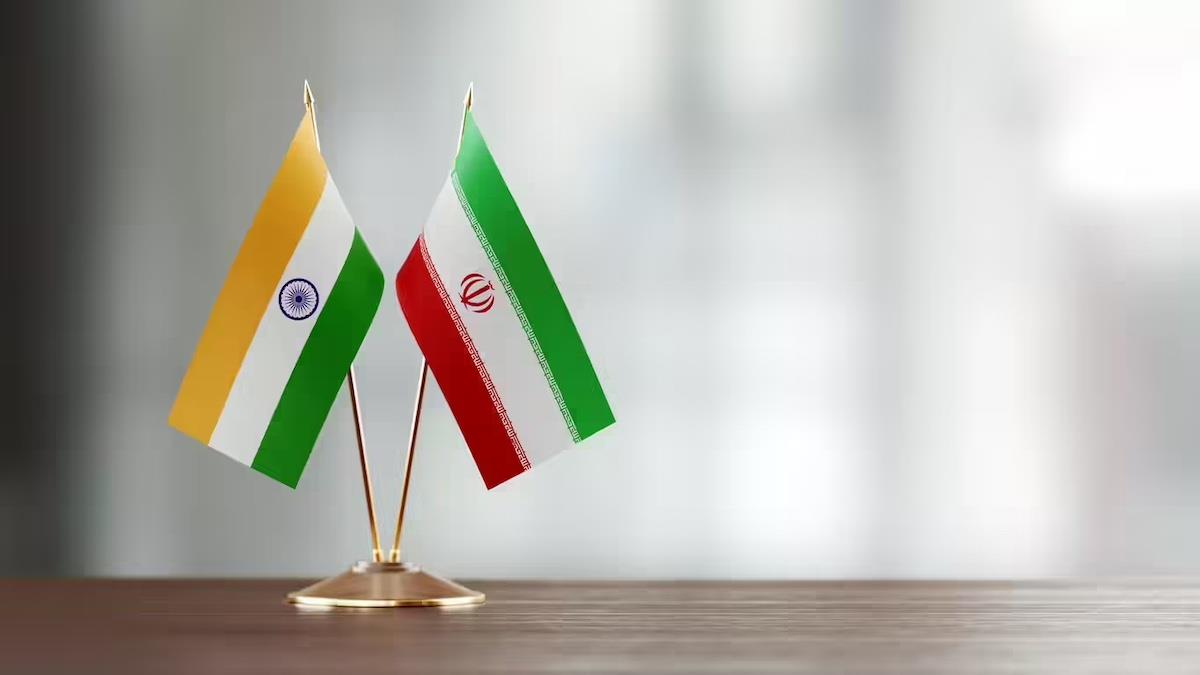
India's Calculated Silence On The Iran War
(MENAFN- Asia Times)
The escalating confrontation in the Gulf is entering uncertain territory, with risks extending well beyond the region. For India, the stakes are unusually high-economically, strategically and politically-sparking calls for India to step in as a mediator.
Given its deep economic stakes and wide-ranging relationships in the region, India appears, at first glance, to be a natural candidate. Yet New Delhi has shown little appetite for such a role. This is not a missed opportunity, but a demonstration of a deliberate and evolving strategic choice.
India's External Affairs Minister, Subrahmanyam Jaishankar, has made it clear that India does not see itself as a“broker” in complex geopolitical conflicts. This position underscores a broader doctrine of strategic autonomy-one that prioritizes flexibility, avoids entanglement, and relies on calibrated engagement rather than high-visibility intervention.
The stakes for India in the Gulf are undeniably high. A significant portion of its crude oil and natural gas imports transits through the Strait of Hormuz, making any disruption an immediate economic concern.
The Gulf region is also one of India's largest trading partners, with bilateral trade running into hundreds of billions of dollars. Additionally, over nine million Indians live and work in the region, contributing substantial remittances that support domestic economic stability.
This exposure itself should give India a strong enough incentive to support de-escalation. However, it does not automatically translate into a willingness to mediate.

Legal Disclaimer:
MENAFN provides the
information “as is” without warranty of any kind. We do not accept
any responsibility or liability for the accuracy, content, images,
videos, licenses, completeness, legality, or reliability of the information
contained in this article. If you have any complaints or copyright
issues related to this article, kindly contact the provider above.
Most popular stories
Market Research

More Story



Comments
No comment