

403
Sorry!!
Error! We're sorry, but the page you were looking for doesn't exist.
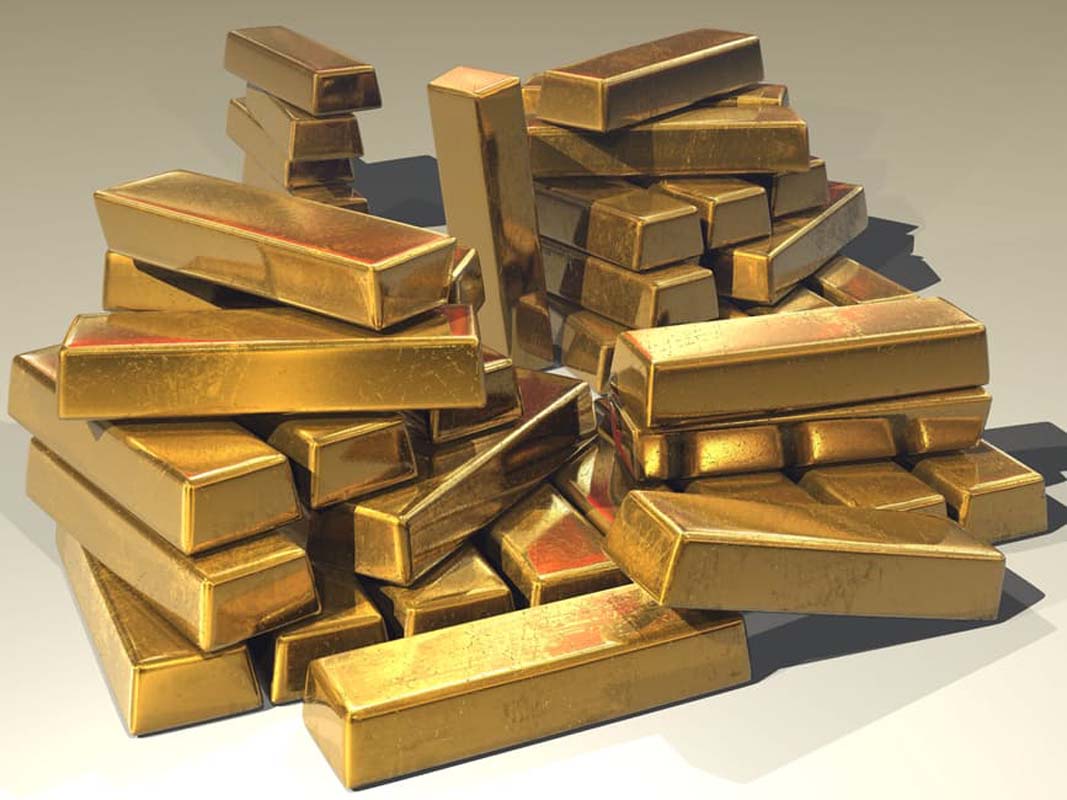
Gold Tumbles Over 2 Percent Monday


(MENAFN) Gold tumbled more than 2% on Monday, slipping beneath the $4,400-per-ounce threshold as intensifying military conflict in the Middle East stoked inflation fears and sharpened expectations of global interest rate increases.
The selloff extended a brutal stretch for the precious metal, which had already shed more than 11% the previous week — hitting its lowest level since January 2 — as the fourth consecutive week of U.S. and Israeli military strikes against Iran kept markets on edge. The conflict, which ignited on February 28 following joint U.S.-Israeli attacks on Iran, has triggered sustained retaliatory responses from Tehran and upended investor expectations, shifting the outlook from rate cuts to rate hikes.
Gold opened 2026 at $4,321 per ounce before surging to a record high above $5,600 on January 29. That historic rally — built on economic uncertainty, aggressive central bank accumulation, and a weakened U.S. dollar — has since unraveled sharply, with the metal's year-to-date gains narrowing to a mere $20 per ounce.
Analysts pointed to forced liquidations as a key driver of the decline, noting that steep losses across U.S. equity markets have compelled investors to offload gold positions to meet margin calls elsewhere. In the current environment, gold is increasingly being deployed as an urgent source of liquidity rather than a traditional safe-haven asset.
Silver mirrored gold's decline, falling more than 3% and dropping below the $65-per-ounce mark.
On the energy front, Brent crude held above $110 per barrel — propelled by the near-total closure of the Strait of Hormuz — amplifying inflationary pressures through surging shipping and production costs. Oil prices have remained above $100 per barrel throughout the conflict, compounding the hawkish pivot in monetary policy expectations.
Tehran further rattled markets by announcing plans to target energy and water infrastructure across the region in retaliation for threats issued by U.S. President Donald Trump, driving risk sentiment to heightened levels.
The prospect of central banks maintaining rates above prior forecasts continued to buoy the U.S. dollar, eroding demand for non-yielding assets including gold and silver. While the precious metal surged more than 65% last year, analysts warn that the combination of rising energy costs and increasingly hawkish monetary policy signals could keep metals under sustained pressure in the weeks ahead.
The selloff extended a brutal stretch for the precious metal, which had already shed more than 11% the previous week — hitting its lowest level since January 2 — as the fourth consecutive week of U.S. and Israeli military strikes against Iran kept markets on edge. The conflict, which ignited on February 28 following joint U.S.-Israeli attacks on Iran, has triggered sustained retaliatory responses from Tehran and upended investor expectations, shifting the outlook from rate cuts to rate hikes.
Gold opened 2026 at $4,321 per ounce before surging to a record high above $5,600 on January 29. That historic rally — built on economic uncertainty, aggressive central bank accumulation, and a weakened U.S. dollar — has since unraveled sharply, with the metal's year-to-date gains narrowing to a mere $20 per ounce.
Analysts pointed to forced liquidations as a key driver of the decline, noting that steep losses across U.S. equity markets have compelled investors to offload gold positions to meet margin calls elsewhere. In the current environment, gold is increasingly being deployed as an urgent source of liquidity rather than a traditional safe-haven asset.
Silver mirrored gold's decline, falling more than 3% and dropping below the $65-per-ounce mark.
On the energy front, Brent crude held above $110 per barrel — propelled by the near-total closure of the Strait of Hormuz — amplifying inflationary pressures through surging shipping and production costs. Oil prices have remained above $100 per barrel throughout the conflict, compounding the hawkish pivot in monetary policy expectations.
Tehran further rattled markets by announcing plans to target energy and water infrastructure across the region in retaliation for threats issued by U.S. President Donald Trump, driving risk sentiment to heightened levels.
The prospect of central banks maintaining rates above prior forecasts continued to buoy the U.S. dollar, eroding demand for non-yielding assets including gold and silver. While the precious metal surged more than 65% last year, analysts warn that the combination of rising energy costs and increasingly hawkish monetary policy signals could keep metals under sustained pressure in the weeks ahead.

Legal Disclaimer:
MENAFN provides the
information “as is” without warranty of any kind. We do not accept any
responsibility or liability for the accuracy, content, images, videos,
licenses, completeness, legality, or reliability of the information
contained in this article. If you have any complaints or copyright issues
related to this article, kindly contact the provider above.
Comments
No comment