




403
Sorry!!
Error! We're sorry, but the page you were looking for doesn't exist.
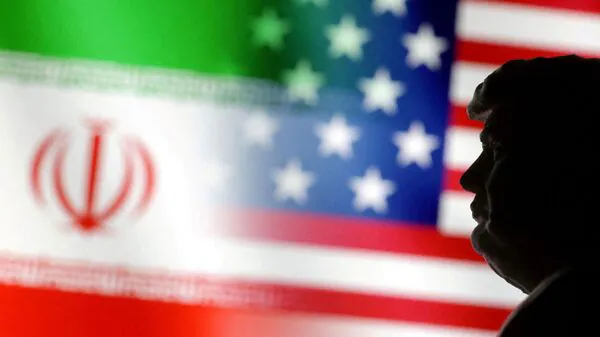
Middle East Crisis: Iran Signals Willingness To Prolong Conflict Despite Losing Top Leaders, Says Report
(MENAFN- Live Mint) In the three weeks of the US-Israeli military conflict with Iran, the latter has lost several of its top leaders, including Supreme Leader Ayatollah Ali Khamenei, Secretary of Iran's Supreme National Security Council Ali Larijani, and the Intelligence Minister Esmail Khatib. Despite Tehran confronting the most serious threats to its regime yet, it has signalled a willingness to prolong the conflict. Also Read | How US–Israeli strikes shattered Iran's leadership: Full list of leaders killed
According to a CNN report, Tehran's willingness to continue fighting the US and Israel is an attempt to reshape the wider Middle East region in its favour. The Islamic Republic's regime has suffered grave losses in the last few weeks, with near-daily strikes from the US and Israel eliminating its military command structures and leaders.
Iranian leaders project escalatory rhetoricThe Islamic Republic has also withstood the risks of a regime collapse, but its surviving leaders continue to project an escalatory rhetoric. They have repeatedly highlighted Iran's ability to withstand pressure, its apparent disregard for further leadership losses, and a clear intention to prolong the war, while continuing to cause disruption both regionally and globally.
This comes despite repeated calls from US President Donald Trump for "unconditional surrender." Iranian leaders have portrayed themselves as victorious, setting out a hardline stance on peace. Tehran is now demanding a new regional "status quo," war reparations, along with a reworking of the longstanding alliances between its Arab neighbours and the US.
Also Read | Iran War News LIVE: US to send troops now? New report hints at Trump's next step Will continue fighting until the enemy regrets its aggression: IranMohammad Bagher Ghalibaf, the parliamentary speaker and one of Iran's highest-ranking surviving officials, said that a ceasefire would only become logical if it ensures that the conflict will not resume and not if it allows the "enemy" a chance to fix its problems, like repairing destroyed radars or addressing shortages in interceptor missiles, only to strike again.
He added that Tehran will continue to fight "until the enemy truly regrets its aggression, and until the appropriate political and security conditions are established in the world and the region."
Also Read | Iran targets Qatar LNG hub, Saudi refinery after Israeli attack on South Pars Iran seeks new protocol after warThe report, citing Tehran's Foreign Minister Abbas Araghchi, said the Islamic Republic is now asking for a "new protocol" after the war regarding the Strait of Hormuz with consideration of the nation's interest. It has insisted that safe passage for ships in the Strait should take place under "specific conditions."
Analysts expect that the Islamic Republic could even push further by seeking the release of frozen overseas assets or proposing fees for countries using the narrow maritime corridor off its coast in international waters. Ghalibaf, in a post on X, wrote that the Strait of Hormuz situation won't go back to its pre-war status.
Iran wants to be part of a new regional equilibrium: ExpertsAccording to Sina Toossi, a senior non-resident fellow at the Centre for International Policy, Tehran is seeking a future in which it is no longer isolated or targeted for collapse; instead, it wants to become a part of a new regional equilibrium, where the country's stability is tied to that of the Persian Gulf and the global economy.
Also Read | How the Iran war is weakening Donald TrumpTehran may not be winning the war in conventional military terms, said an expert on Middle East Studies, adding the country's entire strategy is based on asymmetrical warfare, "where they make it costly to continue the war." The expert went on to say that Washington and its Gulf allies cannot tolerate the disruptions in oil trade indefinitely, but the question is, at what point are they going to say 'enough'.

Legal Disclaimer:
MENAFN provides the
information “as is” without warranty of any kind. We do not accept
any responsibility or liability for the accuracy, content, images,
videos, licenses, completeness, legality, or reliability of the information
contained in this article. If you have any complaints or copyright
issues related to this article, kindly contact the provider above.
Most popular stories
Market Research

More Story







Comments
No comment