




403
Sorry!!
Error! We're sorry, but the page you were looking for doesn't exist.
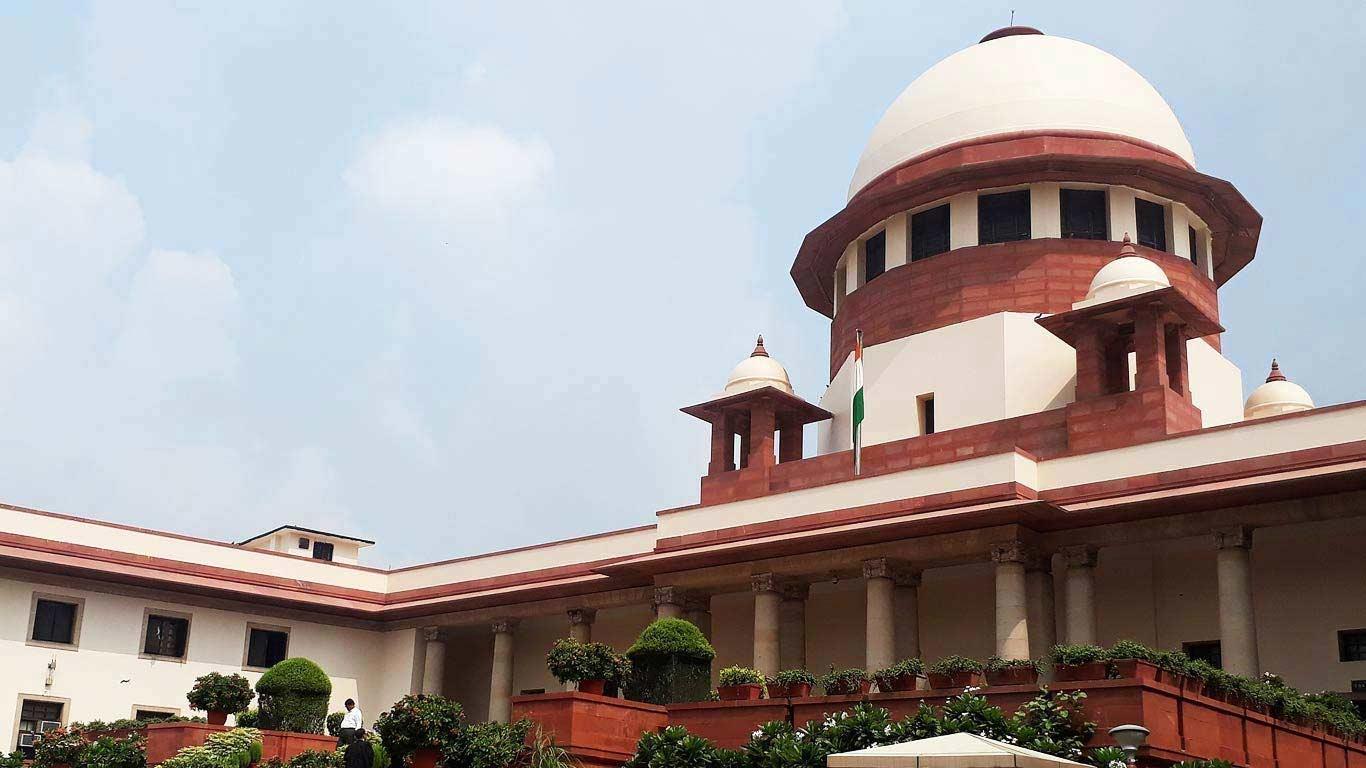
Post-Award Jurisdiction Challenges Not Allowed After Arbitration Participation: Supreme Court
(MENAFN- KNN India)
New Delhi, Mar 19 (KNN) The Supreme Court has observed that a party cannot challenge the jurisdiction of an arbitral tribunal after participating in proceedings without objection and receiving an adverse award.
A Bench of Justices J.K. Maheshwari and Atul S. Chandurkar observed that allowing such delayed objections would undermine the principles of arbitration and alternative dispute resolution.
While the ruling reinforces the efficiency and finality of arbitration, it also increases the compliance burden on micro, small and medium enterprises (MSMEs), which may lack sophisticated legal resources and risk inadvertently forfeiting important rights due to delayed action.
No Scope for Delayed Objections
The Court noted,“A party cannot keep a 'jurisdictional ace' up their sleeve and then claim that filing of the jurisdictional challenge under Section 16 would go back in time and wipe out the past conduct and acquiescence of the party which would clearly evince how the contractual terms were viewed by the parties.”
“If the same is permitted, it will erode the basic principles of alternative dispute resolution and ethos of arbitration,” it added.
The Bench relied on its earlier ruling in Hindustan Construction Co. Ltd. v. Bihar Rajya Pul Nirman Nigam Ltd. to underline that consent and participation in proceedings bar subsequent jurisdictional challenges.
Background of the Dispute
The dispute arose from a consultancy agreement between the Municipal Corporation of Greater Mumbai and R.V. Anderson Associates Limited for upgrading Mumbai's sewerage system under a World Bank-funded project.
Following completion of the work in 2001, disagreements over pending payments led to arbitration in 2005. Both parties appointed arbitrators, and a presiding arbitrator was appointed after earlier nominees stepped down.
Delay in Raising Objection
The municipal corporation participated in multiple stages of the arbitration, including preliminary hearings, without objecting to the tribunal's composition. It raised a jurisdictional challenge only in 2009, arguing that the appointment of the presiding arbitrator was not in line with the agreement and should have been made through the International Centre for Settlement of Investment Disputes.
The arbitral tribunal rejected the objection and ruled in favour of the respondent. Subsequent challenges before the Bombay High Court were also dismissed.
Court Upholds Arbitral Award
Upholding the arbitral award, the Supreme Court emphasised that the conduct of the party throughout the proceedings is a key factor. It observed that continued participation without protest indicated acceptance of the process.
The Court found that the appellant had been informed multiple times about the appointment of the presiding arbitrator but failed to raise any objection at the appropriate stage.
Concluding that the jurisdictional plea was raised belatedly and lacked merit, the Court dismissed the appeal, reinforcing the principle that arbitration proceedings cannot be challenged retrospectively on technical grounds after active participation.
(KNN Bureau)

Legal Disclaimer:
MENAFN provides the
information “as is” without warranty of any kind. We do not accept
any responsibility or liability for the accuracy, content, images,
videos, licenses, completeness, legality, or reliability of the information
contained in this article. If you have any complaints or copyright
issues related to this article, kindly contact the provider above.
Most popular stories
Market Research

More Story








Comments
No comment