




403
Sorry!!
Error! We're sorry, but the page you were looking for doesn't exist.
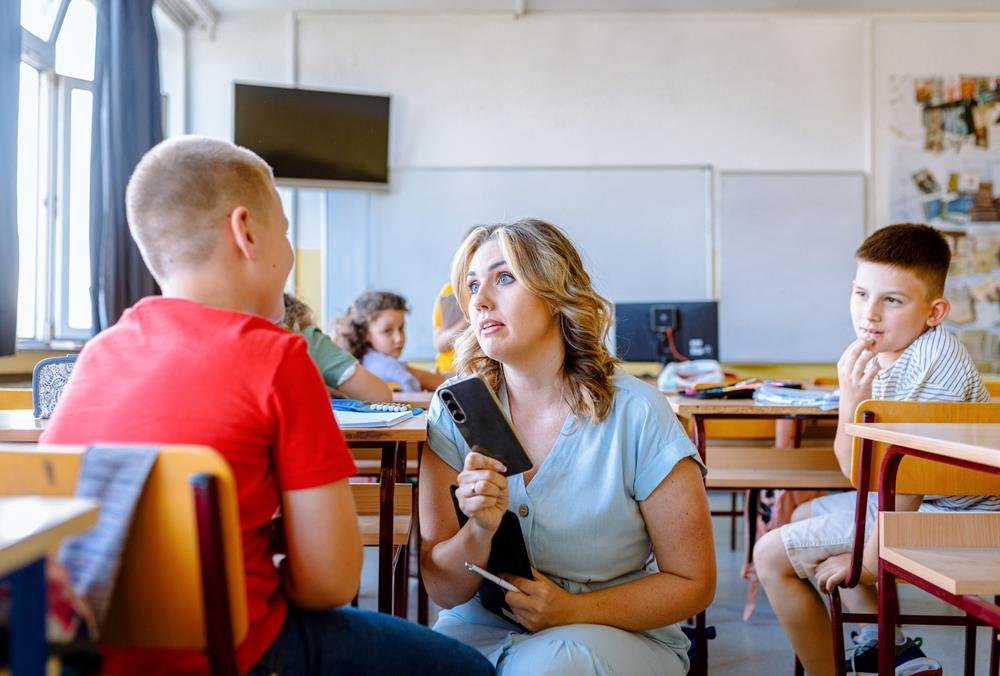
Teachers Say This Common Parent Habit Is Making Classrooms Harder To Manage
(MENAFN- Kids Aint Cheap) Image source: shutterstock
You probably think you are helping your child when you send that quick text during the school day. It feels like a small way to stay connected or handle a sudden change in soccer practice. However, educators are sounding the alarm on a trend that is quietly dismantling classroom focus. This habit seems harmless on the surface but creates a ripple effect of anxiety and distraction for students and staff alike. Constant digital access is actually hindering the ability of your child to learn and thrive. You will discover how stepping back can move your child forward in the long run.
The Digital Umbilical Cord That Stifles IndependenceHonestly, the urge to check in is completely understandable in an uncertain world. We want to know our kids are safe and happy at every moment of the day. Yet, teachers report that students are now reaching for their phones the second they feel a minor frustration. Instead of asking a peer for help or navigating a social hiccup, they text home. This immediate escape hatch prevents them from developing the very problem-solving skills they need for adulthood. It turns a manageable classroom into a series of individual crises handled via text message.
When a parent responds instantly to a non-emergency, it validates the idea that the child cannot handle the school day alone. This constant back-and-forth disrupts the flow of instruction and pulls the student out of the learning environment. Teachers find themselves competing with a glowing screen for the attention of a student. On the other hand, a student who knows they cannot reach home until the final bell is forced to engage with their surroundings. They learn to trust their own judgment and the authority of the adults in the room.
Surprisingly, many parents do not realize that their messages are actually fueling student stress. A child who is constantly tethered to home through a device never fully settles into the school community. They remain in a state of hyper-vigilance, waiting for the next notification from you. By setting firmer boundaries, you give your child the gift of being fully present where they are. This shift allows the classroom to become a place of discovery rather than a satellite office for family logistics.
Why Your Quick Text Is a Major DistractionEvery time a phone vibrates in a pocket, the brain of a student leaves the math problem or the literature discussion. It takes several minutes for a young mind to reach a state of deep focus again. When half the class is receiving check-in texts, the teacher spends more time managing devices than teaching content. This creates an environment where deep learning becomes nearly impossible for everyone involved. It triggers emotional spikes during academic time that the teacher then has to de-escalate without knowing the context of your home conversation.
Furthermore, this habit undermines the role of the teacher as the primary guide in the classroom. If a child feels they can bypass school rules by reaching out to you, they stop respecting the internal boundaries of the institution. This creates a culture of instant gratification over persistence. It fosters unnecessary anxiety about life outside the classroom when they should be focused on their development within it. Teachers are asking for a return to the days where school was a sanctuary from the digital noise of the outside world.
Moving Toward Digital IndependenceEstablishing a no-contact window during school hours is one of the most effective ways to support the mental health of your child. Recent studies from 2026 show that reducing device access leads to meaningful gains in student achievement and a calmer environment. This allows them to build durable skills like communication, critical thinking, and adaptability. When they know they are responsible for their own day, they rise to the occasion. Your trust in their ability to navigate a few hours without you is the strongest vote of confidence you can give.
It is time to cut the digital cord for the sake of their education. Have you noticed your child becoming more anxious because of their phone? Please think about how these interruptions change their day and leave a comment below to let us know your thoughts on classroom phone policies.
What To
Legal Disclaimer:
MENAFN provides the
information “as is” without warranty of any kind. We do not accept
any responsibility or liability for the accuracy, content, images,
videos, licenses, completeness, legality, or reliability of the information
contained in this article. If you have any complaints or copyright
issues related to this article, kindly contact the provider above.
Most popular stories
Market Research

More Story








Comments
No comment