






403
Sorry!!
Error! We're sorry, but the page you were looking for doesn't exist.
Gulf Markets Face Strain As Iran Conflict Deepens Arabian Post
(MENAFN- The Arabian Post)
Escalating hostilities involving Iran have entered a third week, prompting growing unease across financial markets in the Gulf as investors recalibrate risk exposure amid fears of a prolonged conflict and wider regional spillover.
Equity markets in the UAE have shown heightened volatility over the past several trading sessions, reflecting a cautious shift in sentiment as geopolitical uncertainty intensifies. Analysts say the sustained confrontation is beginning to influence investor behaviour beyond short-term fluctuations, with broader concerns emerging over energy flows, trade routes and capital movement across the region.
“Markets falling over the past eight to ten days has made investors cautious in the region as they monitor ongoing tensions. A four-week conflict will not only pressure UAE markets but also impact GCC-wide markets,” said Vijay Valecha, Chief Investment Officer at Century Financial, underscoring the potential for a longer conflict to deepen economic headwinds.
Dubai's benchmark index and Abu Dhabi's main exchange have both recorded declines during this period, reversing earlier gains driven by strong corporate earnings and resilient oil revenues. Market participants point to a combination of geopolitical anxiety and profit-taking as key drivers behind the pullback, though the scale of the retreat remains measured compared with previous regional crises.
Energy markets, often a stabilising factor for Gulf economies, have introduced a layer of complexity. Oil prices have risen in response to supply disruption fears linked to shipping routes near the Strait of Hormuz, a critical artery for global crude exports. While higher oil prices typically bolster fiscal positions in Gulf states, the accompanying volatility has raised questions about sustainability and potential demand shocks should the conflict widen.
See also OpenAI robotics chief steps down over Pentagon AI dealShipping insurers and logistics operators have begun adjusting risk premiums, adding cost pressures to regional trade. Any prolonged disruption to maritime traffic in the Gulf could affect not only energy exports but also imports of essential goods, feeding into inflationary risks. Economists note that while Gulf economies have strengthened their buffers since earlier crises, prolonged instability could test fiscal resilience and investor confidence.
Investor sentiment is also being shaped by global fund flows. International investors, who have increased allocations to Gulf markets in recent years due to economic reforms and strong growth prospects, are showing signs of caution. Some asset managers are reportedly trimming positions or adopting a wait-and-watch approach, particularly in sectors sensitive to geopolitical developments such as banking, aviation and real estate.
At the same time, local institutional investors, including sovereign wealth funds, are seen providing a degree of stability by maintaining long-term investment strategies. Their presence has historically helped cushion sharp market swings, and analysts expect a similar role to play out if volatility persists.
Currency markets across the Gulf have remained largely stable due to dollar pegs, offering a measure of insulation from capital flight. However, analysts caution that sustained geopolitical stress could indirectly influence liquidity conditions and borrowing costs, especially if global financial markets react more sharply to developments in the region.
Corporate activity has also begun to reflect a more cautious tone. Initial public offerings and major investment announcements, which had gained momentum across the UAE and Saudi Arabia, may face delays if uncertainty continues. Companies are increasingly factoring geopolitical risk into strategic planning, particularly those with cross-border operations or exposure to global supply chains.
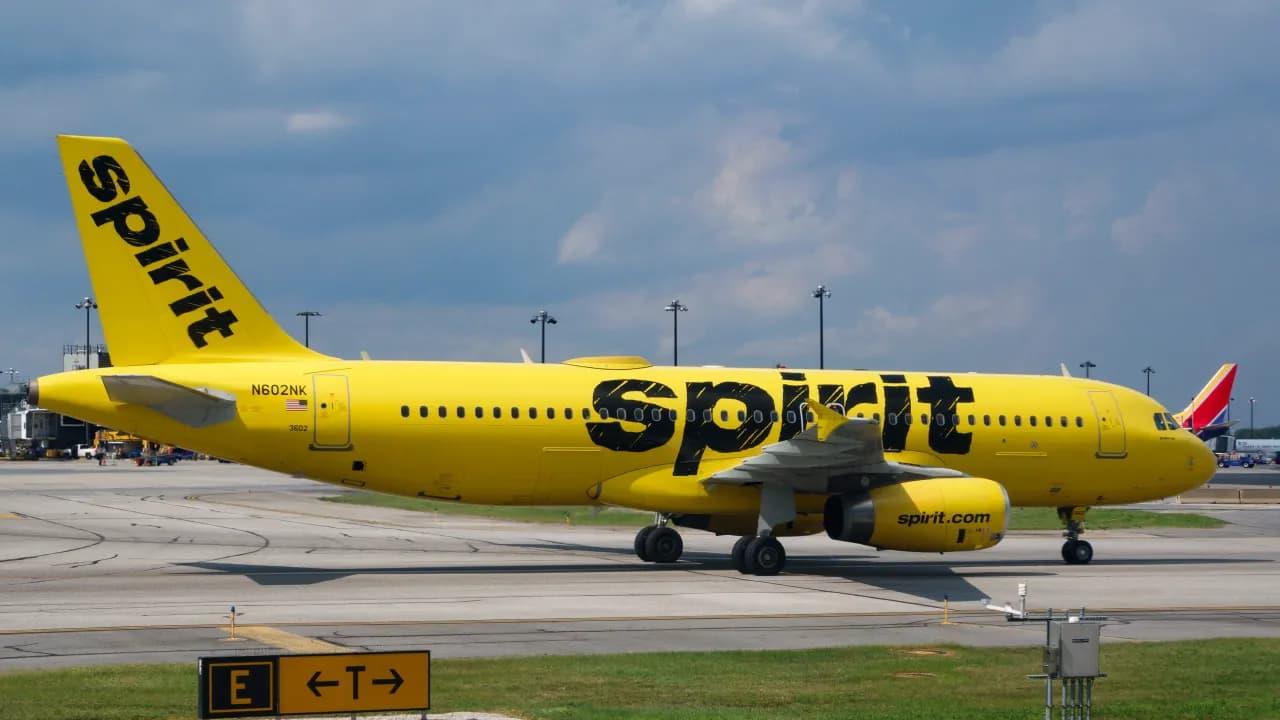
See also Trump issues ultimatum to Iran over nuclear talksTourism and aviation sectors, key pillars of the UAE economy, are under close watch. While there has been no significant disruption to passenger flows so far, airlines and travel operators are monitoring airspace developments and potential route adjustments. Any escalation affecting regional air corridors could have knock-on effects for travel demand and operational costs.
Despite the near-term pressure, some analysts argue that Gulf markets retain underlying strengths, including robust fiscal positions, diversified economic strategies and ongoing structural reforms. These factors, they say, could limit downside risks compared with past episodes of regional conflict.
Notice an issue? Arabian Post strives to deliver the most accurate and reliable information to its readers. If you believe you have identified an error or inconsistency in this article, please don't hesitate to contact our editorial team at editor[at]thearabianpost[dot]com. We are committed to promptly addressing any concerns and ensuring the highest level of journalistic integrity.

Legal Disclaimer:
MENAFN provides the
information “as is” without warranty of any kind. We do not accept
any responsibility or liability for the accuracy, content, images,
videos, licenses, completeness, legality, or reliability of the information
contained in this article. If you have any complaints or copyright
issues related to this article, kindly contact the provider above.
Most popular stories
Market Research

More Story







Comments
No comment