







403
Sorry!!
Error! We're sorry, but the page you were looking for doesn't exist.
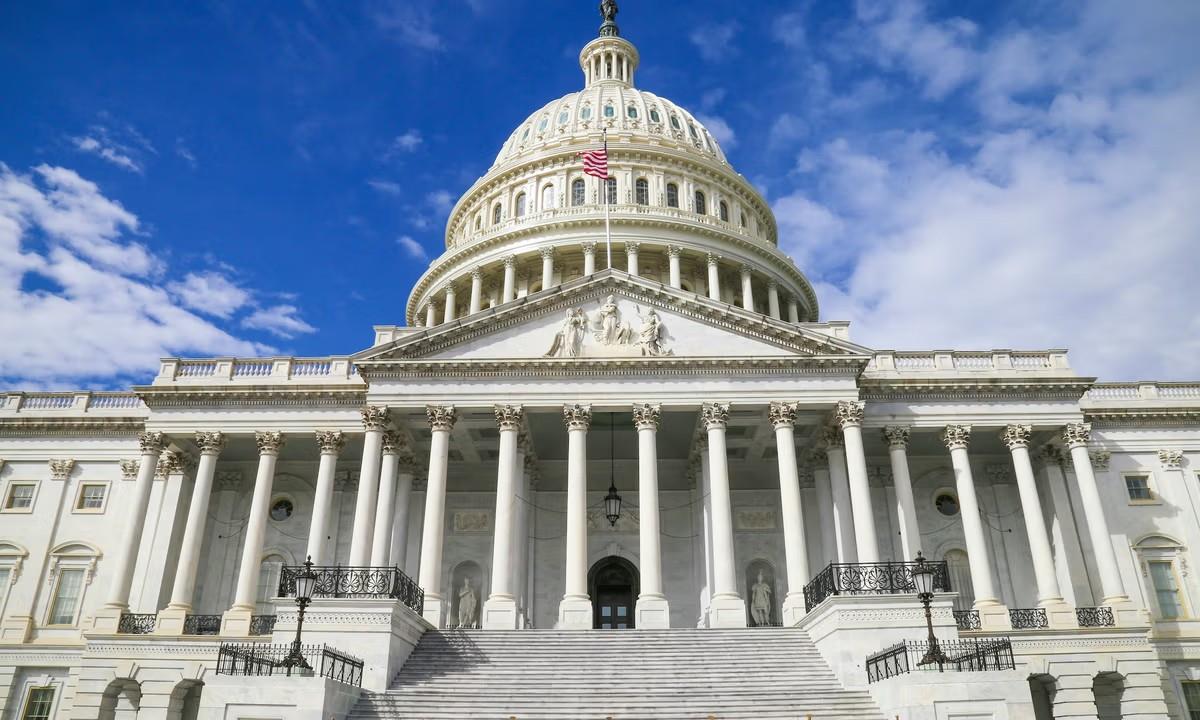
US Congress Passes Revamped Holocaust Recovery Bill That Sidesteps Many Legal Defences The Art Newspaper International Art News And Events
(MENAFN- USA Art News)
Congress Passes HEAR Act of 2025, Limiting Museums' Legal Defenses in Nazi-Looted Art Claims
A sweeping update to US law governing Holocaust-era art restitution is poised to reshape how museums and other art owners defend themselves in court.
On March 16, the House of Representatives unanimously approved the Holocaust Expropriated Art Recovery (HEAR) Act of 2025, following Senate passage in December. The bill now awaits President Donald Trump's signature, after which it will become law.
The legislation extends and expands the original HEAR Act of 2016, which was designed to address a recurring obstacle in Nazi-era recovery cases: state statutes of limitations that can bar claims before they are fully understood or documented. The 2025 act preserves the national, six-year time limit to sue, triggered when a claimant actually discovers key elements of the claim. But unlike the 2016 law, the new version contains no sunset provision, meaning it will not expire.
More significantly, the updated act narrows the menu of procedural defenses available to defendants when the claim seeks the recovery of Nazi-looted art. Backers of the bill have framed the change as a direct effort to keep courts focused on substance rather than technicalities.
Representative Laurel Lee, a Republican from Florida and one of the bill's bipartisan co-sponsors, said the revised law is intended to ensure claims“are evaluated on their merits - not dismissed because of technical legal barriers.” Representative Jerrold Nadler, a Democrat from New York who helped shepherd the 2016 act through Congress, argued that plaintiffs with credible claims should have“their day in court,” adding that“justice must no longer be denied due to procedural technicalities,” sunset provisions, or“a legal loophole.”
Museum leaders, however, have raised alarms about the breadth of the new restrictions. In a statement issued before the bill's passage, the Association of Art Museum Directors (AAMD) said it supported extending the 2016 law in its original form, but opposed the 2025 act's expanded scope and perpetual duration. The group warned that removing traditional defenses“would set a dangerous precedent by overturning fundamental principles of our legal system,” could strain relationships with foreign countries, and might undercut reasonable, good-faith defenses that institutions may rely on when responding to claims.
Sascha Freudenheim, an AAMD spokesperson, pointed to the bill's language precluding“all non-merits discretionary bases for dismissal,” arguing that the term“bases” is not clearly defined and could invite uncertainty and additional litigation.
Supporters counter that the law is a corrective to court decisions that have narrowed pathways for restitution. Boston attorney Nicholas O'Donnell, who represented claimant Alan Philipp in litigation seeking the return of the medieval Welfenschatz, also known as the Guelph Treasure, called the extension“important news.” He described it as a“repudiation” of the US Supreme Court's 2021 decision denying the claim.
In that case, heirs of German Jewish art dealers alleged that the 1935 sale of the Guelph collection to the Prussian Nazi government occurred under duress. The Supreme Court held that the Foreign Sovereign Immunities Act required a showing that a foreign state took property in violation of international law, and concluded that international law did not cover expropriations of property from a country's own nationals. The HEAR Act of 2025 eliminates the“domestic takings” rule that underpinned that outcome.
O'Donnell said foreign states“will now be subject to lawsuits and the jurisdiction of the US courts for Nazi-era art claims in the manner that congress always intended,” calling the measure“a welcome corrective.”
If signed, the HEAR Act of 2025 will likely intensify scrutiny of provenance research and restitution policies across the museum sector, while signaling that Congress wants Nazi-era claims decided in open court - with fewer procedural exits available to defendants.

Legal Disclaimer:
MENAFN provides the
information “as is” without warranty of any kind. We do not accept
any responsibility or liability for the accuracy, content, images,
videos, licenses, completeness, legality, or reliability of the information
contained in this article. If you have any complaints or copyright
issues related to this article, kindly contact the provider above.
Most popular stories
Market Research

More Story








Comments
No comment