




403
Sorry!!
Error! We're sorry, but the page you were looking for doesn't exist.
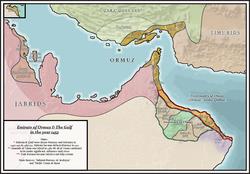
Hormuz Conflict Shakes Gulf Oil Lifelines Arabian Post
(MENAFN- The Arabian Post)

Escalating hostilities centred on the Strait of Hormuz have pushed the Gulf into one of the most volatile maritime security crises in decades, as Iranian forces expand attacks on shipping lanes and energy infrastructure while tightening their control over the strategic waterway.
Missile, drone and naval strikes linked to Tehran have targeted oil tankers, port facilities and commercial vessels across the Gulf, raising fears of a prolonged disruption to global energy supplies and threatening a vital corridor that carries roughly one-fifth of the world's oil and gas trade.
Several merchant ships were struck by projectiles in or near the narrow passage between Iran and Oman, with one vessel catching fire and crews forced to evacuate as emergency teams responded to distress calls. The attacks occurred amid wider military escalation involving Iran and its adversaries, drawing naval forces into the region and prompting renewed concerns about maritime safety and freedom of navigation.
Energy markets reacted sharply. Brent crude climbed toward the $100-a-barrel mark after attacks on shipping and energy infrastructure intensified, reflecting growing anxiety that supply disruptions could deepen if the strait remains unstable or partially blocked.
The Strait of Hormuz has long been regarded as the world's most critical oil chokepoint. Tankers carrying crude from Saudi Arabia, Iraq, Kuwait, Qatar and the United Arab Emirates pass through the narrow channel on their way to Asian markets, including China, Japan, South Korea and India. Analysts say any sustained disruption to traffic through the strait can send shockwaves through global commodity markets and shipping networks.
Military incidents have multiplied across the Gulf as the conflict widens. Explosive boats and missiles have struck tankers near Iraqi waters, while drone strikes have targeted oil storage and port facilities in Oman, triggering fires and halting operations in some areas. At least one tanker crew member was killed during attacks near the Omani coast, underscoring the growing risks faced by commercial shipping.
See also UK faces fallout from Trump tariff shiftIranian commanders have warned that the country could block oil exports through the strait if pressure on Tehran continues, a threat that has alarmed governments and energy companies dependent on uninterrupted Gulf flows. Naval authorities monitoring the region report a sharp drop in tanker traffic, with dozens of vessels anchoring outside the strait rather than risk entering the conflict zone.
The military confrontation traces back to a widening regional war that has seen air strikes, missile launches and proxy clashes spread across several Middle Eastern theatres. The maritime front has emerged as a key pressure point, with both sides attempting to assert strategic leverage over energy routes and shipping corridors.
Insurance markets and shipping firms have begun adjusting operations. Several global shipping companies have temporarily halted voyages through the strait or rerouted cargo to alternative ports and pipelines outside the Gulf. Energy producers have also attempted to mitigate the impact by shifting exports through pipelines leading to the Red Sea or the Gulf of Oman.
Saudi Arabia has accelerated the use of its east-west pipeline network to move crude toward Red Sea terminals, while producers in Abu Dhabi have expanded shipments from Fujairah, a port outside the strait that allows tankers to bypass the narrow waterway. Such adjustments, however, cannot fully replace the massive volume of energy normally transported through Hormuz.
The International Energy Agency has warned that the conflict is causing one of the largest disruptions to global oil supply in modern history. Production cuts and logistical interruptions across Gulf producers have already reduced output by millions of barrels per day, tightening supply in international markets and increasing volatility in commodity trading.
See also Trump threatens Windsor–Detroit bridge openingPolitical tensions have intensified diplomatic manoeuvring around the crisis. Governments across Asia and Europe have urged all sides to safeguard commercial shipping and prevent attacks on civilian vessels. India's foreign ministry, for example, expressed concern after a Thai-flagged ship bound for an Indian port was struck near the strait, emphasising the need to protect maritime commerce and civilian crews.
Energy analysts warn that the wider economic consequences of a prolonged crisis could extend far beyond oil prices. Higher shipping insurance premiums, delays in liquefied natural gas deliveries and disruptions to petrochemical supply chains are already being reported by traders and port operators.
Financial markets have also reacted to the geopolitical shock. Equity markets linked to energy-importing economies have shown heightened volatility, while insurance and shipping companies activated emergency response mechanisms to assess potential claims linked to maritime attacks.
Security experts say the risk of further escalation remains significant as long as military forces continue to operate in close proximity within the confined waters of the Gulf. Naval patrols, potential escort missions and expanded surveillance operations are being discussed among regional and international powers seeking to stabilise shipping routes.
Strategists argue that control over Hormuz represents both a military and economic lever in the broader confrontation. By threatening the flow of oil and gas through the strait, Tehran can exert pressure on global markets and the economies dependent on Gulf energy exports.
Notice an issue? Arabian Post strives to deliver the most accurate and reliable information to its readers. If you believe you have identified an error or inconsistency in this article, please don't hesitate to contact our editorial team at editor[at]thearabianpost[dot]com. We are committed to promptly addressing any concerns and ensuring the highest level of journalistic integrity.

Legal Disclaimer:
MENAFN provides the
information “as is” without warranty of any kind. We do not accept
any responsibility or liability for the accuracy, content, images,
videos, licenses, completeness, legality, or reliability of the information
contained in this article. If you have any complaints or copyright
issues related to this article, kindly contact the provider above.
Most popular stories
Market Research

More Story







Comments
No comment