




403
Sorry!!
Error! We're sorry, but the page you were looking for doesn't exist.
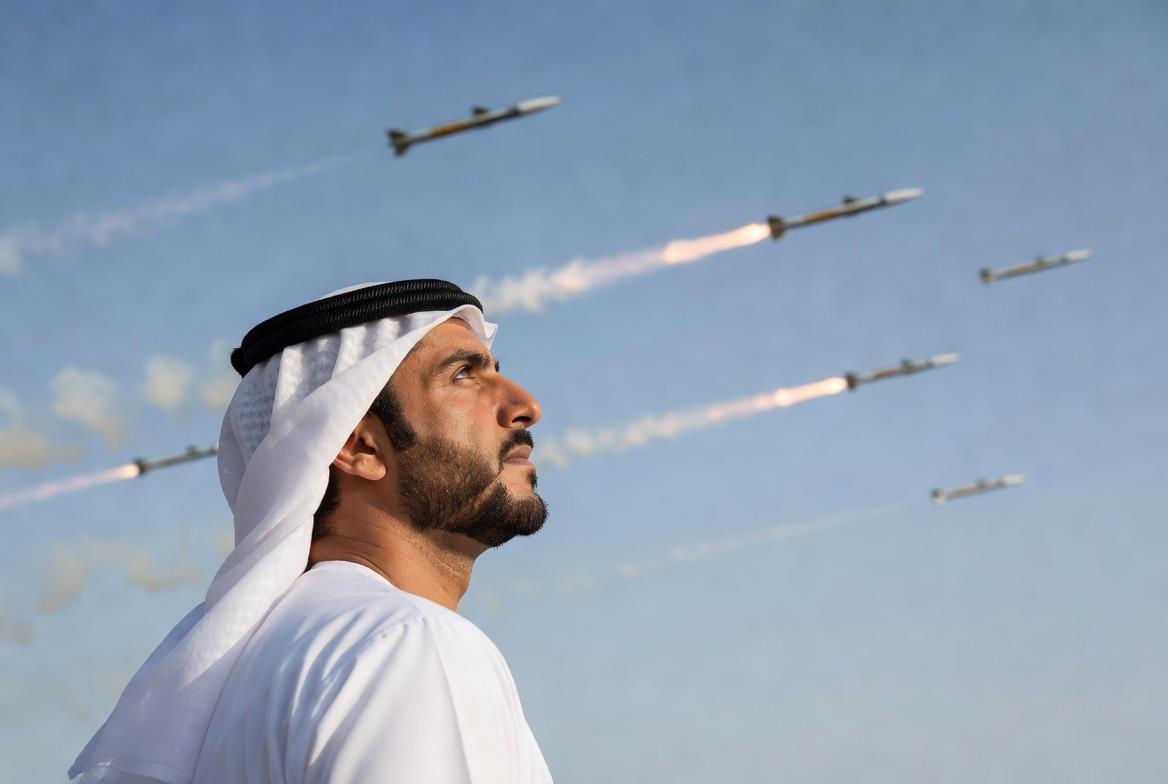
Iran's Drone Attacks On Abu Dhabi Injure Foreign Nationals
(MENAFN- Trend News Agency)
BAKU, Azerbaijan, March 9. In Abu Dhabi, two
individuals found themselves in a bit of a pickle as debris from
airborne objects came crashing down during the air defense forces'
operation, all amidst the backdrop of Iran's missile and drone
assaults, the statement of the emirate's government says, Trend reports.
According to the statement, the competent authorities in Abu Dhabi responded promptly to two incidents of debris falling in two different areas. As a result of the first incident, a Jordanian citizen was slightly injured, and in the second incident, an Egyptian citizen received moderate injuries.
On February 26, the 3rd round of talks between Iran and the United States regarding Iran's nuclear program took place in Geneva. Conducted under the administration of U.S. President Donald Trump, the meeting was seen as the last opportunity to resolve the escalating situation through diplomatic channels. However, no concrete agreements were reached.
Two days later, on February 28, the United States and Israel launched a coordinated military campaign targeting Iran's strategically significant military facilities and key state leadership. Israel named the operation“Operation Lion's Roar,” while the United States called it“Operation Epic Fury.” The strikes covered broad swaths of Iran, including major cities such as Tehran, Isfahan, Tabriz, and Qom.
In retaliation, Iran initiated“Operation True Promise 4,” striking back at Israel and US military bases across the region, including Jordan, Kuwait, Bahrain, Qatar, and Iraq, using ballistic missiles and unmanned aerial vehicles (UAVs).
The February 28 airstrikes killed Iran's Supreme Leader Ayatollah Seyyed Ali Khamenei and his family. Senior officials, including the Chief of Staff of the Iranian Army, Major General Abdul Rahim Mousavi, the Commander-in-Chief of the Islamic Revolutionary Guard Corps (IRGC), Mohammad Pakpour, the Supreme Leader's advisor and Secretary of the Defense Council, Ali Shamkhani, and Defense Minister Aziz Nasirzadeh, were also killed.
From March 1 through 5, the conflict escalated further, drawing in multiple countries across the Middle East. Iran launched hundreds of missiles and UAVs, while the United States and Israel targeted additional military sites within Iran. According to U.S. Central Command, Iran deployed approximately 500 ballistic missiles and 2,000 UAVs in the initial days of the confrontation.
The conflict extended to the naval domain on March 4, when a U.S. Navy nuclear submarine torpedoed the Iranian frigate IRIS Dena in the Indian Ocean, signaling a new phase of hostilities at sea.
On March 8, Iran's Assembly of Experts unanimously elected Seyyed Mojtaba Khamenei, son of the late Supreme Leader, as the country's third Supreme Leader.
Recent reports indicate that at least seven U.S. service members were killed and several others injured in Iranian strikes on U.S. and allied facilities. Six fatalities occurred in a drone attack on a U.S. base in Kuwait, and one service member succumbed to injuries sustained in Saudi Arabia.
The ongoing conflict has significantly threatened the region's energy infrastructure and maritime transport. Oil prices have surged on global markets due to heightened security tensions around the Strait of Hormuz, prompting several countries to advise their citizens to leave the region.

Legal Disclaimer:
MENAFN provides the
information “as is” without warranty of any kind. We do not accept
any responsibility or liability for the accuracy, content, images,
videos, licenses, completeness, legality, or reliability of the information
contained in this article. If you have any complaints or copyright
issues related to this article, kindly contact the provider above.
Most popular stories
Market Research

More Story





Comments
No comment