


Alone Living Alert: 9 Risks Seniors Face When No One Checks In Daily


Medical emergencies are one of the most serious senior safety risks when no one checks in daily. A fall, stroke, or sudden illness can leave someone unable to call for help, sometimes for hours or even days. Without immediate assistance, recovery becomes harder and complications become more likely. Seniors living alone often downplay symptoms, hoping they'll pass, which delays treatment even further. Daily check-ins ensure that emergencies are caught early and help arrives when it's needed most.
2. Missed Medications or Incorrect DosingMedication management becomes more challenging with age, especially when multiple prescriptions are involved. Without someone checking in, seniors may forget doses, double up accidentally, or mix medications that shouldn't be taken together. These mistakes can lead to dizziness, confusion, or dangerous health complications. A simple daily reminder or quick visit can dramatically reduce these senior safety risks. Consistent support helps ensure medications are taken safely and on schedule.
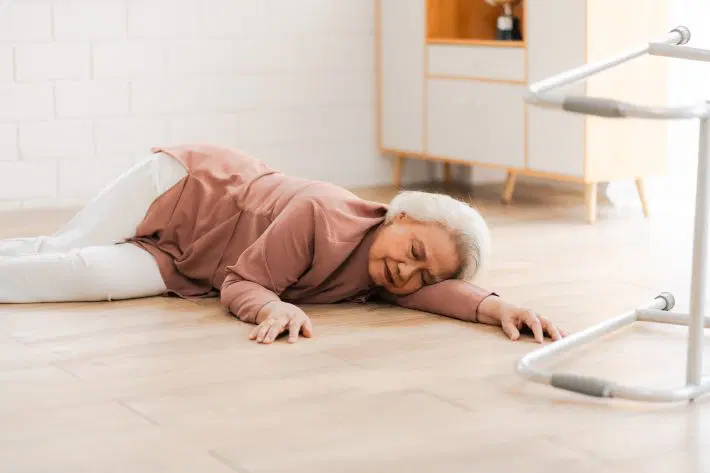
3. Increased Fall Risk Without Immediate HelpFalls are one of the leading causes of injury among older adults, and living alone increases the danger significantly. When no one checks in, even a minor fall can leave a senior stranded and unable to get up. The longer someone remains on the floor, the higher the risk of dehydration, pressure injuries, and long-term mobility issues. Many seniors hesitate to call 911 for fear of“bothering” someone, which delays help even more. Regular check-ins and fall-prevention tools can greatly reduce these senior safety risks.
4. Social Isolation and Emotional DeclineLoneliness is more than an emotional burden. Seniors who go days without conversation or connection often experience increased anxiety, depression, and cognitive decline. Without daily interaction, small emotional struggles can grow into overwhelming challenges. Social isolation also reduces motivation to eat well, stay active, or maintain routines. A simple daily call or visit can provide emotional support and strengthen overall well-being.
5. Poor Nutrition and Missed MealsWhen no one checks in, seniors may skip meals due to fatigue, forgetfulness, or difficulty preparing food. Over time, this leads to weight loss, weakness, and nutrient deficiencies that affect overall health. Some older adults rely on convenience foods that don't provide the nutrition they need. Without someone noticing changes in eating habits, these issues can go undetected for long periods. Daily check-ins help ensure seniors are eating regularly and getting the nourishment they need.
6. Home Hazards That Go UnnoticedSmall household issues can quickly become big problems when no one is around to spot them. A leaking pipe, broken appliance, or unsafe clutter can create dangerous living conditions. Seniors may not notice these hazards or may feel unsure about how to fix them. Without regular check-ins, these risks can escalate into costly repairs or safety emergencies. A quick daily look around the home can prevent many of these senior safety risks.
7. Cognitive Decline That Goes UnrecognizedChanges in memory, judgment, or behavior often appear gradually, making them easy to miss when a senior lives alone. Without daily interaction, early signs of cognitive decline may go unnoticed until they become severe. Missed appointments, confusion with bills, or difficulty completing routine tasks are often early indicators. When no one checks in, these warning signs can slip through the cracks. Regular contact helps families identify changes early and seek support when needed.
8. Vulnerability to Scams and Financial ExploitationSeniors living alone are prime targets for scammers who prey on isolation and confusion. Without someone checking in, fraudulent calls, fake charities, and deceptive mail can slip through unnoticed. Seniors may feel pressured to respond or may not realize they're being manipulated. Financial losses can be devastating and difficult to recover from. Daily communication provides a safety net by helping seniors verify suspicious messages and avoid exploitation.
9. Difficulty Managing Daily Tasks and Home MaintenanceEven simple tasks like taking out the trash, doing laundry, or managing mail can become overwhelming with age. When no one checks in, these responsibilities can pile up and create unsafe or unsanitary conditions. Seniors may feel embarrassed to ask for help, leading to further decline in their living environment. Over time, this can affect both physical and mental health. Regular check-ins ensure that small tasks don't turn into major problems.
Why Daily Check-Ins Make Independence SaferDaily check-ins don't take away independence. A quick call, text, or visit can catch problems early and provide reassurance that help is always within reach. Seniors who receive regular check-ins often feel more confident, supported, and connected. These small moments of contact can prevent emergencies, reduce senior safety risks, and improve quality of life. Independence is strongest when it's supported, not isolated.
Do you know a senior who lives alone? What daily check-in habits have helped keep them safe? Share your thoughts in the comments.

Legal Disclaimer:
MENAFN provides the
information “as is” without warranty of any kind. We do not accept
any responsibility or liability for the accuracy, content, images,
videos, licenses, completeness, legality, or reliability of the information
contained in this article. If you have any complaints or copyright
issues related to this article, kindly contact the provider above.


Comments
No comment