




403
Sorry!!
Error! We're sorry, but the page you were looking for doesn't exist.
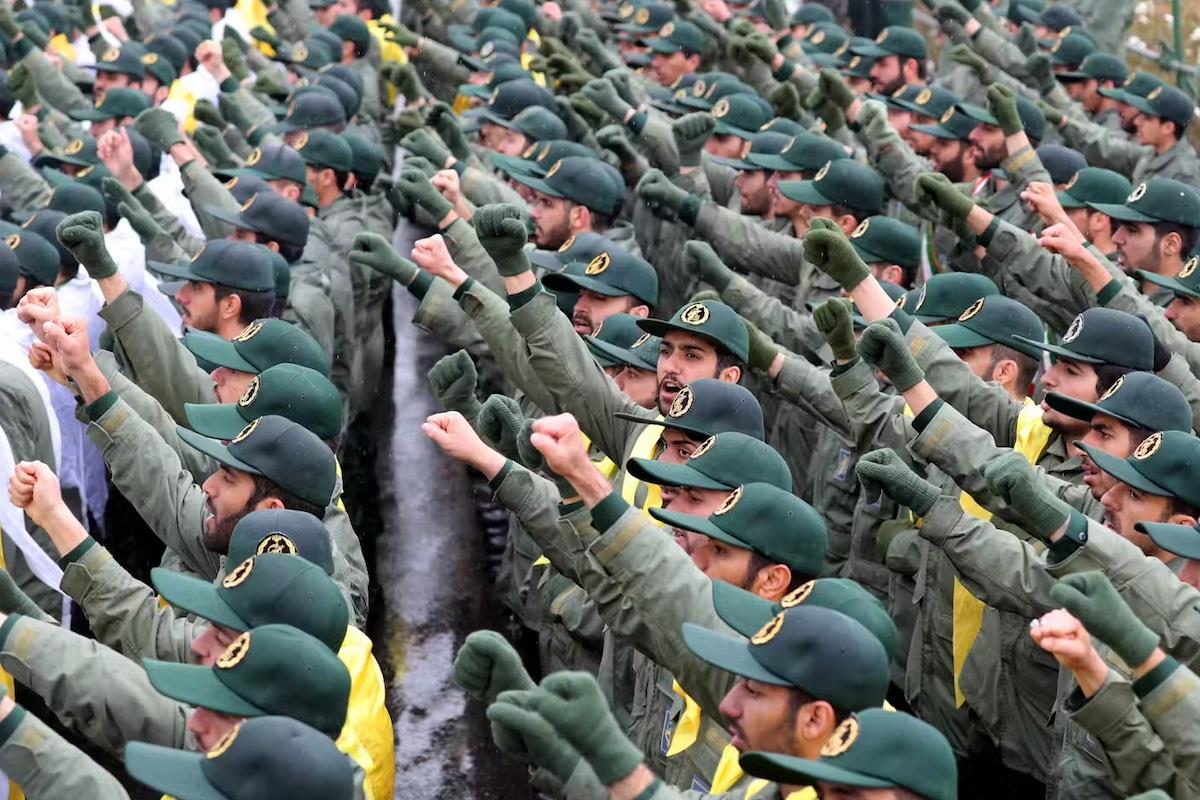
Iran Weathers US Firestorm, Raising Prospect Of A Long War
(MENAFN- Asia Times)
US President Donald Trump targeted Iran, expecting a short, decisive military operation reminiscent of the US recent raids on Venezuela. Yet seven days into“Operation Epic Fury,” the conflict's intensity, geographic spread, human costs and economic repercussions reveal a stark strategic miscalculation.
What Washington projected as an overwhelming but limited use of force has metastasized into a broader war dynamic that now threatens global energy markets, regional stability and long-term geopolitical balances.
When US and Israeli forces struck Iran on February 28, headline victories were announced: the death of Supreme Leader Ayatollah Ali Khamenei, massive bombardments of Iranian command infrastructure and claims of degraded missile and air defenses.
The bombardment was described in US military messaging as targeting ballistic missiles, command centers and naval assets, making it the largest combined US operation since the 2003 Iraq invasion.
Yet Iran's response has confounded expectations. Tehran has not collapsed or fractured; rather, it has mounted an active and widespread retaliation, using ballistic missiles, drones, and proxy forces in Lebanon, Iraq and across the Gulf. Iran's
UN ambassador reported that at least 1,332 Iranian civilians have been killed so far, with thousands more wounded, underscoring the conflict's expanding human toll.
What was hoped to be a rapid decapitation of Iran's leadership has not yet materialized. Tehran's capacity to absorb blows while still launching counterattacks reflects a resilient, decentralized security architecture.

Legal Disclaimer:
MENAFN provides the
information “as is” without warranty of any kind. We do not accept
any responsibility or liability for the accuracy, content, images,
videos, licenses, completeness, legality, or reliability of the information
contained in this article. If you have any complaints or copyright
issues related to this article, kindly contact the provider above.
Most popular stories
Market Research

More Story





Comments
No comment